Best Resorts and Pension Houses in Jeju Island for a Relaxing Getaway

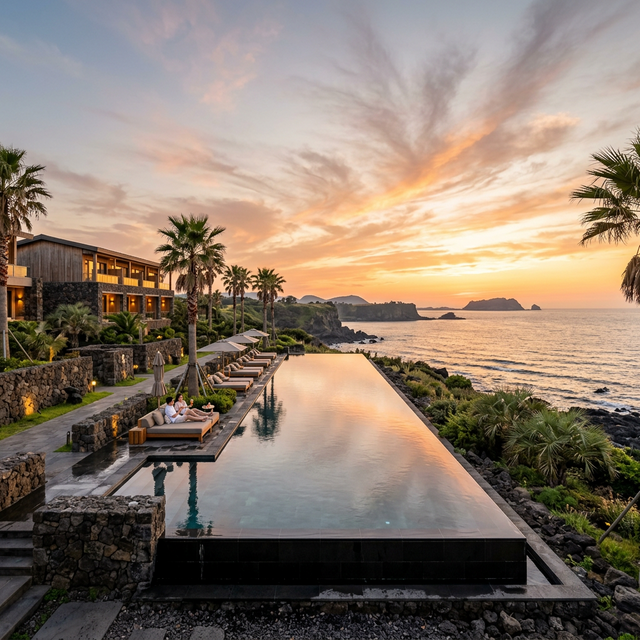
Looking for the ultimate escape in the "Hawaii of Korea"? Whether you’re dreaming of a cliffside infinity pool or a quiet morning in a traditional stone house, Jeju Island’s diverse accommodation scene has something that will make your getaway unforgettable.
Introduction: Why Jeju is Korea's Ultimate Getaway
Jeju Island is not just a destination; it is a state of mind. For South Koreans and international travelers alike, "Jeju" is synonymous with slowing down, breathing in the salty sea air, and reconnecting with a landscape that is dramatically different from the neon-lit skyscrapers of Seoul. As a volcanic island, Jeju offers everything from black sand beaches and emerald-green forests to the towering peak of Hallasan, the highest mountain in South Korea.
Naturally, an island this diverse requires an equally diverse range of places to stay. The accommodation landscape in Jeju has undergone a massive transformation over the last decade. It has moved beyond simple guesthouses to encompass world-class luxury resorts that rival those in Bali or Maui, alongside a burgeoning scene of boutique "pension" houses that focus on "slow travel" and aesthetic minimalism.
In this guide, we will navigate the best of both worlds. We’ll dive into the high-end luxury cluster of Jungmun, explore the hidden architectural gems scattered across the island, and explain why staying in a traditional Jeju stone house might be the most authentic experience you can have.
The Jungmun Luxury Cluster: World-Class Resorts
If you are looking for the classic "resort experience"—where everything you need is within walking distance of your room—the Jungmun Tourist Complex on the southern coast is where you want to be. This area was specifically designed as a high-end tourist zone, and it hosts some of the most iconic hotels in the country.
1. The Shilla Jeju: The Pinnacle of Service
For many Koreans, The Shilla Jeju is the ultimate aspirational stay. It doesn’t rely on flashy, modern gimmicks; instead, it focuses on what it calls "Polished Korean Service."
- The Atmosphere: The resort feels like a grand Mediterranean estate, with pastel-colored buildings and winding garden paths that lead directly to the ocean.
- The Pools: Their multi-level heated pools are famous. The "Adult Pool" offers a quiet sanctuary with luxury cabanas and a poolside bar that serves some of the best fried chicken on the island (a cult favorite among guests).
- Glamping Village: For those who want a taste of the outdoors without sacrificing 5-star comfort, their glamping experience includes a full BBQ dinner inside a luxury tent under the Jeju stars.
2. Lotte Hotel Jeju: Family Fun and Fantasy
Right next door to the Shilla is the Lotte Hotel Jeju. While the Shilla is quiet and romantic, Lotte is vibrant and family-centric.
- The Volcano Show: Every night, the resort’s outdoor garden hosts a spectacular fire and water show centered around a man-made volcano. It’s a highlight for children and a Jeju tradition.
- Heon Kimchi (Hello Kitty) Rooms: Lotte is famous for its themed floors, including entire suites dedicated to Hello Kitty, making it the top choice for families with young children.
- The Lake Plaza: Their outdoor buffet is one of the best on the island, offering fresh Jeju seafood and local black pork grilled to order.
3. Grand Josun Jeju: Contemporary Elegance
The Grand Josun Jeju is a newer addition to the Jungmun scene, taking over and completely remodeling a classic property. It offers a more modern, "clean" aesthetic compared to its neighbors.
- The Infinity Pool: Their rooftop infinity pool for adults offers an "Eye in the Sky" view of the Jungmun coast.
- Kids’ World: They have one of the most comprehensive kids’ clubs in the area, with specialized programs that allow parents to have some quiet time while the little ones explore Jeju-themed crafts.
Boutique & Architecturally Significant Stays
In recent years, Jeju has become a playground for world-renowned architects. If you value design and a sense of place, these properties are more than just hotels—they are living art.
1. Podo Hotel: A Work of Art by Itami Jun
Designed by the legendary architect Itami Jun, Podo Hotel (which means "Grape Hotel") is famous for its roofline that resembles a cluster of grapes when viewed from above.
- Natural Harmony: The hotel is built into the foothills of the Halla mountain range and uses natural materials that blend seamlessly with the environment.
- Aragonite Hot Springs: One of the biggest draws is the water. Every room features a deep wooden tub filled with high-temperature aragonite hot spring water, which is said to have significant healing properties for the skin.
- Privacy: With very few rooms, Podo Hotel offers a level of seclusion that is hard to find in the larger resorts.
2. JW Marriott Jeju Resort & Spa: Cliffside Drama
Opened in 2023, the JW Marriott Jeju is currently the talk of the island. Perched on a dramatic cliffside in Seogwipo, the resort was designed by Bill Bensley.
- Whimsical Design: The interiors are bold, using bright yellows and local Jeju volcanic stone to create a space that feels both luxurious and playful.
- The Spa by JW: This is arguably the best spa on the island, featuring treatments that incorporate local Jeju ingredients like camellia oil and volcanic clay.
- Dining: Their "Jeju Kitchen" focuses on farm-to-table dining, sourcing almost all ingredients from the island’s local haenyeo (female divers) and agricultural farmers.
3. Parnas Hotel Jeju: Waterfront Modernism
Parnas Hotel Jeju is another high-end contender that focuses on "Waterfront Luxury." Its main swimming pool is one of the longest infinity pools in Asia, stretching out toward the horizon so seamlessly that it feels like you are swimming directly in the ocean.
Jeju Pensions: The Heart of Local Hospitality
While the resorts are stunning, many travelers find the most joy in Jeju’s Pensions. In the Korean context, a pension is a privately owned holiday home, ranging from basic guesthouses to ultra-luxurious private villas.
What exactly is a "Pension"?
Wait, is it a hostel? A hotel? A B&B? Traditionally, a Minbak (민박) was a simple room in a local home. A Pension (펜션) is the modern evolution—a purposeful vacation rental that often includes a kitchen, allowing you to cook local Jeju ingredients yourself. In Jeju, the current trend is the "Dokchae" (독채)—a fully private, standalone house where you are the only guest.
Traditional Stone House Remodels
Jeju is famous for its low-slung stone houses with thatched or tiled roofs, designed to withstand the island's famous wind. A new wave of young designers has been buying these abandoned houses and turning them into "Aesthetic Pensions."
- Stay Homi: Located near the peaceful Hamdeok Beach, this is a perfect example of a remodeled stone house. It retains the original volcanic stone walls but features modern minimalist furniture and large glass windows.
- The Appeal: Staying here feels like you are part of the Jeju neighborhood. You might wake up to the sound of a neighbor’s tractor or the smell of the sea, far from the polished marble of the Jungmun resorts.
Top Pension Areas
Top Pension Areas
- Aewol: The "Cafe District" of the North Coast. Pensions here often have stunning sunset views and are perfect for those who want to be near trendy brunch spots like Cafe Layered or the famous Bomnal Cafe. If you stay here, look for modern, concrete-and-glass structures that emphasize the ocean view.
- Seogwipo: For the nature lovers. Staying in a pension on the south coast puts you close to the famous waterfalls (Jeongbang, Cheonjiyeon) and the Olle walking trails. The pensions here are often larger and have shared citrus groves where you can pick your own hallabong (Jeju oranges) in the winter.
- Seongsan: If your goal is to see the sunrise at Seongsan Ilchulbong (Sunrise Peak), staying in a local pension in this area is a must. Many pensions here are built with wood and stone, offering a cozy, rustic feel that matches the rugged eastern landscape.
Deep Dive: The Olle Trail and Walker-Friendly Stays
For many, the true way to experience Jeju is on foot via the Jeju Olle Trail. This 425km network of 26 trails circles the entire island, taking you through "oreums" (volcanic cones), coastal paths, and quiet villages.
Staying Near the Trail
If you are planning to walk even a section of the Olle Trail, your accommodation choice becomes strategic.
- Olle-Friendly Guesthouses: Unlike the high-end Dokchae (private houses), these guesthouses are designed for solo walkers. They offer communal breakfasts and, most importantly, luggage transfer services. Many pensions will willingly move your bags to your next stop on the trail for a small fee, allowing you to walk with only a light daypack.
- Trail No. 7 Seogwipo: This is widely considered the most beautiful section of the trail. Stays in the Beopwhan-dong neighborhood allow you to walk out your front door and directly onto the cliffside path. Look for small, family-run pensions here that offer "Home-style Korean Breakfasts" (Baekban) to fuel your hike.
The Foodie’s Stay Guide: What to Eat Near Your Base
One of the best parts about staying in a pension with a kitchen is the ability to source local ingredients. Jeju’s cuisine is distinct from the mainland, heavily influenced by its volcanic soil and the surrounding sea.
1. The Black Pork BBQ Ritual (Jungmun & Seogwipo)
If you stay in the South, you are in the heart of Black Pork territory.
- Where to eat: Seek out "Sooksung-do" for aged pork or "Don-sa-돈" for the classic thick-cut style.
- Pension Tip: Many pensions in Seogwipo provide a private charcoal grill on your deck. Stop by a local grocery store (like Hanaro Mart) to buy fresh "Heuk-dwaeji" (Black Pork) and grill it yourself while watching the sea. It is often much cheaper and more private than a crowded restaurant.
2. Haenyeo Seafood (Aewol & North Coast)
The "Haenyeo" are the legendary female divers of Jeju who harvest seafood without oxygen tanks.
- Where to eat: Look for "Haenyeo-uijip" (Haenyeo Houses) along the coastal roads. You can get fresh abalone porridge (Jeonbok-juk) or raw seafood platters featuring sea pineapple and octopus.
- Pension Tip: Staying in Aewol allows you to walk to the "Handam Coastal Trail," where several of these seafood shacks are located.
3. Citrus Delights (Everywhere, but especially Seogwipo)
Depending on when you visit, the island will be covered in different citrus varieties: Hallabong (the ones with the bump on top), Cheonhyehyang (very sweet and thin-skinned), and Red Hyang.
- The Experience: Look for pensions that double as farm-stays. Some allow guests to participate in the harvest for free, and you’ll almost certainly find a basket of complimentary tangerines waiting in your room during the autumn months.
Choosing the Right Area for Your Stay
Jeju is larger than people think. It takes about an hour and a half to drive from the north (Jeju City) to the south (Seogwipo). Choosing your base is the most important part of your planning.
1. Jungmun (The South Coast)
- Best For: Luxury seekers, families, first-time visitors.
- Vibe: Polished, manicured, and resort-heavy. You are close to the main tourist attractions like the Teddy Bear Museum and Jungmun Beach.
2. Aewol & the North Coast
- Best For: Couples, digital nomads, and cafe-hoppers.
- Vibe: Trendy and youthful. This area has a "laid-back island vibe" with lots of independent boutiques and sunset-facing decks.
3. Seogwipo (The Deep South)
- Best For: Hikers, slow travelers, and those wanting a quieter experience.
- Vibe: Local and grounded. Seogwipo City itself has a great traditional market (Maeil Olle Market) where you can eat your way through Jeju’s specialties.
4. Jeju City (The North)
- Best For: Late arrivals, early departures, and foodies.
- Vibe: Urban and bustling. While not a "resort" area, it has the best traditional BBQ restaurants and is very close to the airport.
The Simplest Way to Pick Your Jeju Base
Most Jeju accommodation mistakes come from choosing a beautiful property in the wrong part of the island. Use this filter first:
| If your trip is mainly about... | Best base |
|---|---|
| Resort downtime and pools | Jungmun |
| Cafes, ocean sunsets, and easy driving | Aewol |
| Olle trails, markets, and slower days | Seogwipo |
| Airport convenience and short stays | Jeju City |
| Sunrise Peak and east-side nature | Seongsan |
Then decide whether you need a full-service resort or a private pension. If you plan to spend long afternoons on-property, pay for the resort. If the room is mainly a base for driving, hiking, and eating around the island, a good pension usually gives better value.
Family Travel: The Best Kid-Friendly Options
Jeju is arguably the best family destination in East Asia. The hotels here have mastered the art of the "Kids' Vacation."
Why Lotte and Shilla remain the favorites
While many hotels claim to be family-friendly, Lotte and Shilla go above and beyond.
- Character Rooms: Imagine your child’s face when they walk into a room where everything—from the slippers to the wallpaper—is Hello Kitty themed (Lotte).
- All-Day Activities: Both resorts offer "CAMP" programs where kids can go on led nature walks, do cooking classes, or have storytelling sessions, giving parents a few hours of well-deserved spa time.
- Equipment Rental: Traveling with a baby? These resorts provide high-end strollers, bottle sterilizers, and baby bathtubs for free, allowing you to pack significantly lighter.
How to Book and Maximize Your Stay
Avoiding the Peak Rush
If you want a "relaxing getaway," avoid the last week of July and the first two weeks of August. This is the peak Korean summer holiday season, and Jeju becomes extremely crowded. The best times to visit for a calm experience are May-June (flower season) or September-October (cool air and silver grass).
The Necessity of a Rental Car
Unless you are staying at a major resort and don't plan to leave the grounds, you must rent a car. Jeju’s public transport is improving, but many of the best pensions and hidden cafes are only accessible by car. Ensure you have an International Driving Permit (IDP) before you arrive.
Navigating Booking Platforms
While Agoda and Booking.com handle the big resorts well, the best "aesthetic pensions" are often found on Stayfolio or through Instagram. Many of these unique stays don't even list on global platforms because they book up through their own websites months in advance.
One Smart Split-Stay Pattern
If you have 4 to 6 nights in Jeju, the most practical structure is often:
- North or west coast first for airport convenience, cafes, and easier first-day driving
- South or east coast second for nature, trails, and a quieter finish
That split reduces backtracking and makes it easier to combine Jeju with the car rental guide for Korea, the 10-day Korea itinerary, or the broader family travel in South Korea guide.
Conclusion: Your Perfect Jeju Home
Jeju Island offers a rare opportunity to choose exactly the kind of traveler you want to be. You can be the luxury guest sipping cocktails by an infinity pool in Jungmun, the architecture enthusiast soaking in an aragonite bath at Podo Hotel, or the minimalist soul-seeker watching the rain fall on a volcanic stone wall in a coastal pension.
The "Best" place to stay isn't a single hotel; it's the one that matches the rhythm of your trip. Whether you choose the high-tech efficiency of a modern resort or the slow-paced charm of a local pension, Jeju's hospitality will leave you refreshed, recharged, and already planning your next visit to the Land of the Morning Calm.
After choosing the stay style, connect it with where to stay in Busan if you are continuing down the southern coast, the Korea car rental guide if you will drive the island, and the 10-day Korea itinerary if Jeju is only one part of a larger route.