Experiencing Noribang: The Ultimate Guide to Korean Karaoke

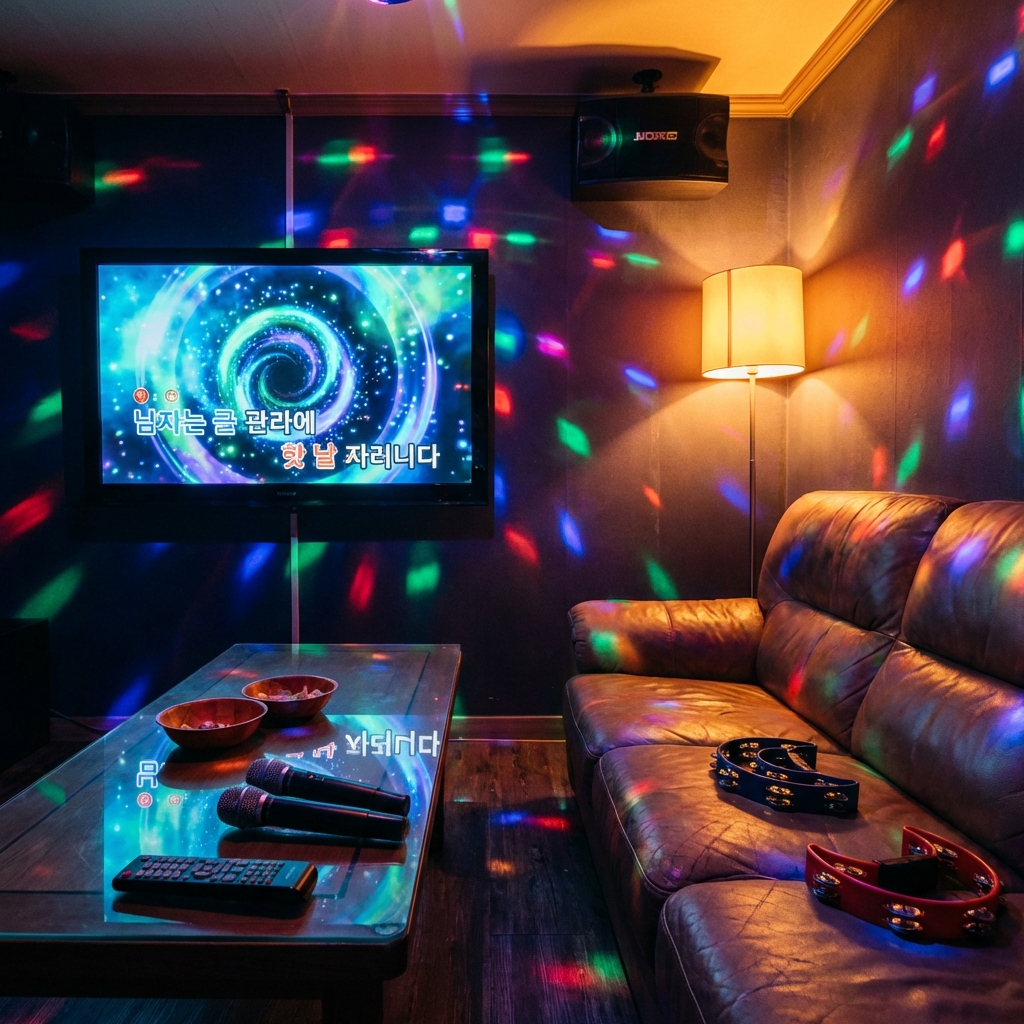
It’s 1 AM in Seoul, and the only thing louder than the city neon is the muffled sound of a group of friends attempting the high notes in a private room. In the West, karaoke usually involves a stage, a public audience, and a fair amount of liquid courage. In South Korea, however, singing is a private, passionate, and essential social ritual.
Welcome to the world of the Noraebang (노래방, literally "song room"). Whether you are a solo traveler looking for an "emotional escape room" session or part of a group finishing a night of barbecue and soju, the Noraebang is where Korean culture truly lets its hair down. In 2026, with AI-enhanced scoring and ultra-luxury concept rooms, the experience has reached a new technological peak. Here is your definitive guide to singing like a local.
1. The Two Faces of Noraebang: Coin vs. Luxury
Unlike many Western karaoke bars, Noraebangs are divided into private rooms. However, there are two distinct types of establishments you’ll encounter:
Coin Noraebang (Koin-no)
This is the modern choice for students, couples, and solo singers.
- The System: You pay per song (usually ₩500 for one song or ₩1,000 for three).
- The Vibe: Small, functional booths. There’s no pressure to stay for an hour, making it an ideal "cultural pressure valve." In 2026, many of these are fully automated with unmanned kiosks.
- Best for: Solo travelers or a quick 10-minute "singing break" between shopping in Myeongdong or Seongsu.
Regular & Luxury Noraebang
This is the traditional "all-night" experience.
- The System: You pay by the hour (usually ₩20,000–₩35,000 per hour).
- The Vibe: Massive rooms with leather couches, professional disco lights, and sometimes even themed decor (Greek temples, space stations, etc.).
- Flagship Spot: Su Noraebang in Hongdae is legendary. It features multiple floors, floor-to-ceiling windows overlooking the bustling street, and even "see-through floors" in certain zones. You can sing while high above the crowds.
2. Technology in 2026: AI and Auto-Tune
Korean karaoke machines (dominated by TJ Media and Kumyoung) are the most advanced in the world.
AI Scoring Systems
The 2026 machines no longer just track volume. New AI algorithms assess your:
- Pitch Accuracy: Real-time bars show if you're flat or sharp.
- Technique: Bonus points for vibrato, "air" control, and emotional delivery.
- Ranking: You can see how your score compares to every person who sang that song in Korea that day.
Integrated Auto-Tune
If you’re feeling shy, look for the "Auto-Tune" or "Magic Mic" button on the remote. The machine will subtly correct your pitch in real-time, making everyone sound like a K-pop idol (or at least less like a dying cat).
3. Mastering the Machine: The Remote Control Guide
The remote is often a massive, tablet-sized device. Here is your "cheat sheet":
- 한/영 (Han/Yeong): Switches the keyboard between Korean and English/Global letters.
- 예약 (Yeyak - Reserve): Adds the song to your queue. Pro Tip: Always press this, not "Start," if you’re in a group, so you don't cut off the current singer.
- 시작 (Sijak - Start): Plays the next song or starts one from the search immediately.
- 취소 (Chwiso - Cancel): The "Mercy" button. Use this if you realize the bridge of the song is in a language you don't actually speak.
- 키/템포 (Key/Tempo): Use the up/down arrows to change the musical key. Essential for male singers trying to sing female K-pop songs!
4. Hoesik & Social Etiquette: The Unspoken Rules
If you are invited to a Noraebang after a company dinner (Hoesik), pay attention to these social hierarchies:
- The Maknae Role: If you are the youngest or the visitor, your job is to be the "DJ." Keep the remote close, but don't monopolize the songs. Help the seniors find their favorite Trot (traditional pop) songs.
- Tambourine Energy: Every room has tambourines. Your job is to keep the energy high. Shake them, bang them on your knee, and cheer loudly for everyone—especially the boss.
- The Micro-share: Never sing over someone else's song unless they explicitly invite you for a duet. The person who reserved the song is the "star" for those 4 minutes.
- The "Service" Hack: In hourly Noraebangs, you might see your timer suddenly jump from "01:00" back up to "20:00." This is Seobiseu (Service)—free time gifted by the owner.
- How to get it: Be polite to the staff, buy drinks (non-alcoholic or beer depending on the license), and sing with high energy. Owners often give more service to groups having the most fun.
5. What to Drink and Eat?
- Sikhye (식혜): The traditional malt rice drink is a staple for soothing the throat.
- Melon Soda & Pear Juice: "IdH" (Pear Juice) is the legendary Korean hangover cure, often sold in cans at the front desk.
- Corn Snacks: Most places offer free large bowls of colorful "shrimp" or "corn" crackers. They aren't gourmet, but they are oddly addictive after three songs.
- Note: Traditional Norae Yeonseubjang are often "no alcohol" (legally). If you want beer, look for a "Noraebang" that specifically has a liquor license, but be prepared for higher prices.
6. The 2026 Viral Playlist
- K-Pop Anthems: NewJeans, BTS, and IVE still dominate the charts. Look for songs with English choruses like "Ditto" or "Love Dive."
- The "Ending" Song: It is a 20-year tradition to end the night with Big Bang's "Fantastic Baby" or Psy's "Gangnam Style." The goal is to maximize the "shouting" factor before you leave.
- Western Classics: Every machine has Queen's "Bohemian Rhapsody" and ABBA's "Dancing Queen." Be warned: The bridge of Bohemian Rhapsody is where many friendships go to die.
7. Safety & Identification
- Avoid the Hearts: If the sign has hearts (♡), "Business Club," or photos of models, it is an adult establishment (often involving hostesses).
- The 10 PM Rule: Minors are not allowed in any Noraebang after 10:00 PM. If you are a young traveler, carry your ID.
Conclusion
Noraebang is more than just karaoke; it is the ultimate "stress-release" valve of Korean society. It’s where you can be a rock star for five minutes, regardless of your talent. So grab a tambourine, find your song, and lose yourself in the music.
Singing is just one part of the Seoul night. To prepare for the rest of your evening, consult our Guide to Seoul's Nightlife: Hongdae vs. Itaewon vs. Gangnam or discover the best Late Night Eats in Seoul for your post-singing "recovery" meal. If you're looking for more ways to navigate the complex social landscape, don't miss our guide on Navigating Korean Social Customs.
2026 Price Guide: What You'll Actually Pay
Noraebang pricing has stayed relatively stable, but luxury concept rooms have expanded significantly since 2023. Here is the full cost breakdown.
| Type | Hourly Rate | Notes |
|---|---|---|
| Coin Noraebang | ₩500/song or ₩1,000/3 songs | No hourly minimum; ideal for solo or short sessions |
| Standard Noraebang | ₩15,000–₩25,000/hr | Basic rooms; most common type in commercial districts |
| Premium Noraebang | ₩30,000–₩50,000/hr | Larger rooms, better sound systems, themed decor |
| Luxury Concept Noraebang | ₩60,000–₩120,000/hr | Suite-style rooms with professional lighting, bar service |
| Drink add-ons | ₩3,000–₩8,000 | Soda, juice, water; alcohol available at licensed venues |
Typical group cost: A group of 4 at a standard noraebang for 2 hours = ₩40,000–₩60,000 total, split 4 ways = ₩10,000–₩15,000 per person. One of Seoul's best-value entertainment options.
Where to Find the Best Noraebangs: By District
Different neighborhoods have distinct noraebang cultures. Knowing the right area for your vibe matters.
Hongdae (홍대): Best for Groups and Foreigners
The highest density of noraebangs in Seoul, ranging from budget coin rooms to massive multi-floor luxury venues. Su Noraebang (수 노래방) is the headline act — 5 floors, glass-walled rooms with street views, and a sound system that rivals professional studios.
- Price: ₩20,000–₩35,000/hour standard rooms
- Access: Hongdae Station, Exit 9; Su Noraebang is a 3-minute walk
Gangnam (강남): Best for Luxury
Gangnam's noraebang scene leans heavily toward the premium tier. The concept rooms here are themed — some designed as Hollywood film sets, others as minimalist studios. Expect higher prices but a significantly elevated experience.
- Best venue: Luxury Su (Gangnam branch) and Coin Su for budget options
- Price: ₩40,000–₩80,000/hour for premium rooms
Sinchon (신촌): Best for Students and Locals
Cheaper than Hongdae and Gangnam, and where you'll find the most authentic mix of Korean university students on a Friday night. The atmosphere is unpretentious and high-energy.
- Price: ₩12,000–₩20,000/hour
Norebang Street, Jongno (종로 노래방거리): Best for Older Classics
A stretch of traditional noraebangs near Jongno 3-ga catering to older Koreans who prefer trot (traditional Korean pop). A genuinely unique cultural experience — expect 1980s and 90s hits and a crowd who takes their singing very seriously.
- Price: ₩10,000–₩18,000/hour
Your First Visit: Step-by-Step Guide
Walking into a noraebang for the first time can feel intimidating. Here is exactly what happens, from door to song.
Step 1 — Enter and Choose Room Size At the front desk (or unmanned kiosk at coin noraebangs), tell the staff how many people are in your group. They'll assign a room size: small (2–4 people), medium (4–8), large (8–15), or party rooms (15+). At hourly noraebangs, you'll be asked how many hours. Start with 2 hours — most groups end up requesting more time anyway.
Step 2 — Get to Your Room Follow the number on your receipt. The rooms are color-coded by floor. Each room has a sofa or benches facing two TV screens, a tambourine and maracas on the table, two microphones (sometimes more for larger rooms), and the tablet/remote control.
Step 3 — Search for Your Song Press 한/영 to toggle to English. Type the first word of the song title. If you want K-pop, search by artist name. For Western songs, the catalog covers most hits up to 2025 — however, very new English releases may not be available. The TJ Media machines have wider catalogs than older Kumyoung systems.
Step 4 — Press 예약 (Reserve) Never press 시작 (Start) unless you want to interrupt the current song. Always use 예약 to queue your song — it will play automatically when the current song ends.
Step 5 — Adjust the Key Korean songs are written for Korean vocal ranges which often don't match Western voices. Use the 키 (Key) buttons (+/-) to shift the pitch up or down. Male singers tackling female K-pop songs typically need -4 to -6. Female singers attempting male ballads usually need +3 to +5.
Step 6 — Request More Time When your time is nearly up, a warning screen flashes. Go to the front desk (or call via the intercom button) to add more time or pay and leave.
The Best English-Friendly Songs: Guaranteed Crowd-Pleasers
Every noraebang machine stocks these — and every group needs at least one.
| Song | Artist | Why It Works |
|---|---|---|
| Bohemian Rhapsody | Queen | The ultimate group singalong — everyone knows the "Galileo" section |
| Don't Stop Me Now | Queen | High energy, fun range, room for showing off |
| Dancing Queen | ABBA | Crowd-pleaser across all age groups |
| Mr. Brightside | The Killers | The chorus is universally known; easy verses to fake |
| Sweet Caroline | Neil Diamond | The "ba ba ba" section makes it impossible not to participate |
| Livin' on a Prayer | Bon Jovi | The key change at the bridge is a full-room moment |
| Africa | Toto | Ironic appeal + actually very singable |
| Ditto | NewJeans | K-pop with English lyrics; short verses, easy to follow |
| Dynamite | BTS | The most-searched K-pop song at noraebangs by foreigners |
Final song tradition: Korean groups almost always close with a big finale song — "Fantastic Baby" by Big Bang or "Gangnam Style" by Psy are the two most common closing numbers. The convention is to turn the microphones up to maximum, abandon any pretense of pitch, and make the last 4 minutes as chaotic and joyful as possible.
Practical Notes
Reservations: Standard and coin noraebangs do not require reservations — walk in anytime. For luxury concept rooms with premium decor, reservations are recommended on Friday and Saturday evenings; most accept bookings via KakaoTalk or their Instagram DMs.
Solo noraebang: Solo sessions are completely normal in Korea — "혼노래방" (hon-noraebang) is a recognized cultural practice. Coin noraebangs are specifically designed for solo visitors. There is zero social stigma.
Photography: Filming yourself inside noraebang rooms is standard practice — the disco lighting was literally designed for social media content. Go ahead and document your performance.
Noraebang vs. Bar Karaoke: Key Differences for Western Visitors
Many Western visitors arrive in Korea expecting noraebang to be like the public bar karaoke they know at home. The differences are significant.
| Factor | Western Bar Karaoke | Korean Noraebang |
|---|---|---|
| Audience | Public — all other bar patrons watch | Private — your group only |
| Pressure | High — strangers judge your performance | None — only your friends hear you |
| Song Queue | Often 45-minute wait between songs | Instant — you control the queue |
| Atmosphere | Pub environment | Private room with full lighting control |
| Duration | 1 song per turn | As many songs as you want for your booked hour |
| Skill requirement | High (public judgment) | None — quality is irrelevant |
| Cost model | Typically free to sing, revenue via drinks | Per-hour or per-song room fee |
The private room model fundamentally changes the social dynamic. In a noraebang, the worst singer in the group is celebrated rather than cringed at — there's no external audience to impress. This is why Koreans consider noraebang a genuine stress-relief tool rather than a performance opportunity.
The Tambourine Theory: Why It Matters
Every noraebang room has tambourines. This is not an accident.
In Korean noraebang culture, the person holding the tambourine is not a passive audience member — they are an active co-performer. The tambourine player's job is to maintain the room's energy: shaking rhythmically during verses, hammering emphatic beats during choruses, and leading applause after the high note.
For foreign visitors who don't know the Korean songs being sung by local group members, the tambourine is your passport to full participation. You don't need to know a single lyric. Shake on the beat, react to every moment, and cheer loudly — you will be considered a great noraebang companion.
The tambourine hierarchy: whoever picks it up first owns it for that song. It's considered slightly impolite to take it from someone mid-song. When a new song starts, it's fair game for whoever grabs it first.
Conclusion
Experiencing a noraebang is more than just singing; it is an immersion into the social fabric of South Korea. Whether you're in a high-tech "Luxury Su" room in Hongdae or a cozy coin noraebang in a quiet neighborhood, the act of sharing music in a private space remains one of the most effective ways to bond with friends and relieve the stresses of modern life. In 2026, with AI-driven scoring and limitless song libraries, there has never been a better time to grab a tambourine and find your voice in the heart of Seoul.
To complete your night out, pair your singing session with the best late-night eats in Seoul, or if you just finished a high-energy event, our practical guide to attending K-Pop concerts will help you navigate the post-concert rush. If you need a more relaxed evening, consider exploring the Han River parks at night for fried chicken and city views. For a full-day plan, our Ultimate 14-Day South Korea Itinerary integrates noraebang stops into the perfect urban exploration loop.
Enjoy the music, embrace the score, and remember: in a noraebang, your passion matters much more than your pitch.