South Korea's Best Music Festivals: From EDM to K-Pop
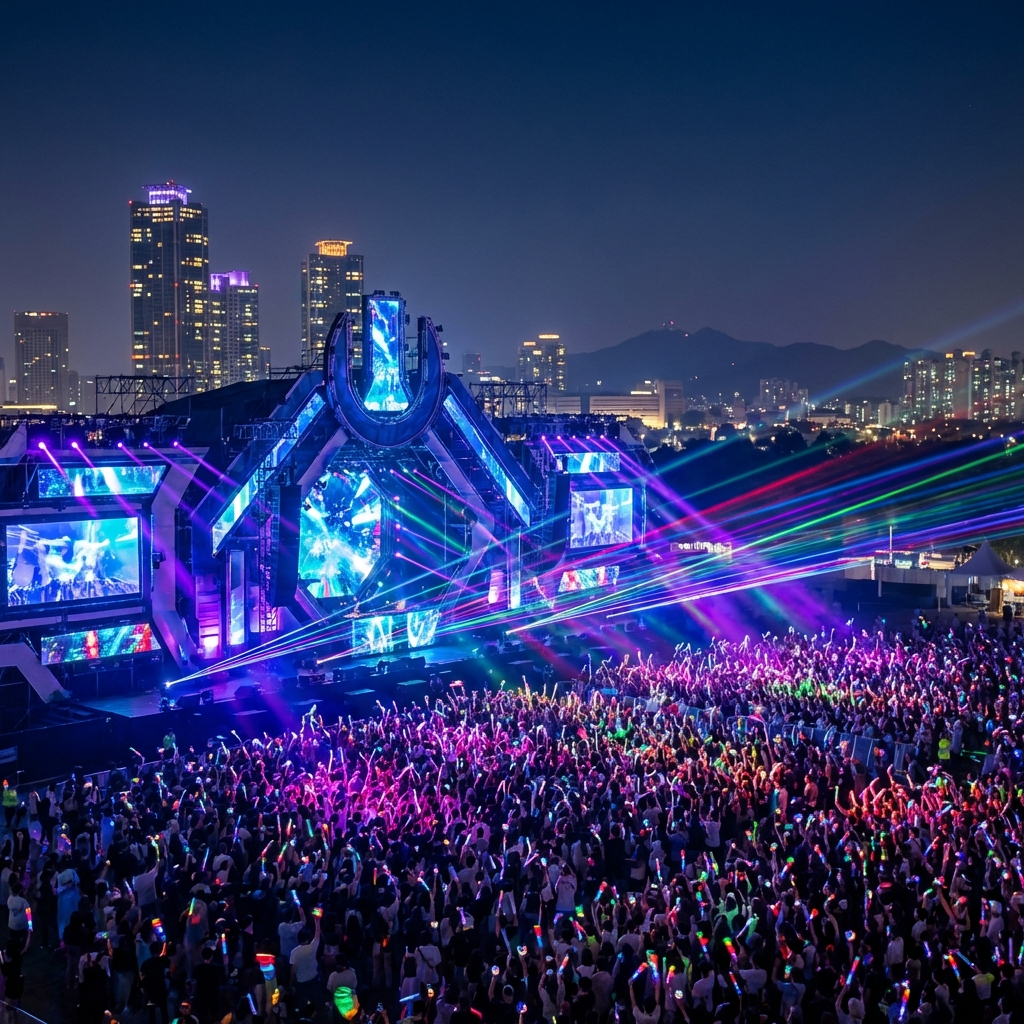
From the neon-lit EDM stages of Incheon to the water-soaked K-Pop battles of Seoul, South Korea’s music festival scene is nothing short of world-class. Whether you’re a die-hard raver, a rock enthusiast, or a K-Pop stan looking for your next bias encounter, the Korean peninsula offers a seasonal calendar packed with high-energy events that rival anything in Europe or North America.
But navigating a foreign festival scene can be daunting. When do tickets go on sale? How do you get to a venue that’s two hours outside of Seoul? And what on earth is a "Waterbomb" battle? In this guide, we’ll take you through the definitive list of Korea’s best music festivals, providing practical tips on how to survive and thrive amidst the lights and the bass.
South Korea’s festival culture is a relatively recent but explosive phenomenon. Empowered by a population that loves to stay out late and a government that heavily invests in "Cultural Tourism," the country has transformed into a global hub for entertainment. If you’re planning a trip to Korea, aligning your dates with one of these festivals can transform a great vacation into an unforgettable life experience.
The Big Three: Korea’s Iconic Multi-Genre Festivals
If you only have time for one festival during your stay, these are the giants that define the Korean scene.
1. Waterbomb Festival (July – August)
Waterbomb is perhaps the most "Korean" festival concept on this list. It combines a high-energy lineup of K-Pop, Hip-Hop, and EDM with a massive city-wide water gun fight.
- The Vibe: Imagine a music festival crossed with a massive water park. Attendees are divided into two teams (e.g., Team Green vs. Team Purple) and engage in "water battles" throughout the day while world-famous artists like Jay Park, Sunmi, and Zico perform.
- Pro Tip: You will get soaked. Bring a waterproof phone pouch and a change of clothes in a locker.
2. Incheon Pentaport Rock Festival (August)
For almost two decades, Pentaport has been the crown jewel of the Korean rock scene. Held at the spacious Songdo Moonlight Festival Park, it has hosted everyone from Jack White and Nine Inch Nails to local legends like Jannabi.
- The Vibe: Pure rock energy. Despite the sweltering August heat, thousands of fans gather for high-octane performances, camping, and a sense of alternative community.
- Pro Tip: Songdo is a "smart city" about an hour from Seoul. Book a hotel in Songdo early, as shuttle buses back to Seoul can be long and exhausting.
3. Ultra Korea (September)
Ultra Music Festival (UMF) brought its global brand to Korea in 2012, and it has since become the premier EDM event on the peninsula.
- The Vibe: Massive production value, global headliners like Swedish House Mafia and Alesso, and a cosmopolitan crowd. It’s the ultimate weekend for dance music lovers.
EDM & Dance Music: The Neon Nights of Incheon and Seoul
Beyond Ultra, Korea has a starving appetite for EDM, leading to a crowded but high-quality calendar.
World DJ Festival (June)
Usually held at Seoul Land (a theme park in Gwacheon), "WDF" as locals call it, is the unofficial start of the summer festival season. The venue provides a unique backdrop of rollercoasters and fairy-tale castles.
S2O Korea Songkran Music Festival (July)
Inspired by Thailand’s Songkran water festival, S2O Korea is another water-themed EDM event. It differs from Waterbomb by focusing more strictly on international EDM DJs and high-pressure water cannons that spray the crowd in sync with the beat.
EDC Korea (April)
After a long hiatus, the "Electric Daisy Carnival" is making its return to Korea in 2025 at the massive Inspire Entertainment Resort in Incheon. Known for its "PLUR" (Peace, Love, Unity, Respect) culture and whimsical art installations, it's a breath of fresh air for the scene.
The Rock & Alternative Scene: Indie Vibes and Headbangers
While K-Pop dominates the headlines, the "live club" culture in Hongdae fuels a vibrant rock and alternative festival circuit.
Busan Rock Festival (October)
Held at Samnak Ecological Park, this is the largest rock festival in southern Korea. It often features a mix of international indie-pop acts and heavy rock bands, all set against the cool autumn breeze of the coastal city.
DMZ Peace Train Music Festival (June)
One of the most unique festivals in the world, Peace Train is held in Cheorwon, right on the border with North Korea. It’s a non-commercial, socially conscious event that brings together artists from around the world to promote peace through music.
K-Pop & Hip-Hop Focused Events
If you’re here specifically for the "Hallyu" (Korean Wave), these events are your best bet to see dozens of idols in a single day.
Dream Concert (Annual)
Operating since 1995, Dream Concert is the longest-running K-Pop festival in Korea. It’s a massive showcase of the biggest groups of the moment, accompanied by legendary "fandom" lightstick displays that fill an entire stadium.
HIPHOPPLAYA Festival (May)
The domestic K-Hiphop and R&B scene is arguably just as popular as K-Pop in certain circles. HIPHOPPLAYA is the definitive event to see artists like Jay Park, Epik High, and the rising stars of the underground.
Pro Tips for Festival Goers in Korea
1. Booking Tickets
Most festivals use Global Interpark or Yes24 for international ticket sales. Keep an eye out for "Early Bird" or "Blind Tickets" which are significantly cheaper but go on sale before the full lineup is announced.
2. The "N-Bus" and Shuttle Advantage
Venues like Songdo (Incheon) or Seoul Land (Gwacheon) can be tricky to navigate after midnight. Check the festival website for official shuttle bus bookings (usually titled "Flower Bus" or "K-Shuttle"). These buses will drop you off at major hubs like Gangnam, Hongdae, or Myeongdong for a flat fee.
3. What to Pack
- T-Money Card: Essential for public transport and often accepted for food at festivals.
- Portal Power Bank: Between taking videos and navigating, your battery will drain fast.
- Sunglasses & Sunscreen: Korean summer sun is intense, and most festival grounds have very little shade.
5. The 2026 Festival Calendar: A Month-by-Month Guide
Plan your trip accordingly with this projected 2026 schedule based on tradition and early 2026 venue bookings.
| Month | Festival | Genre | Location |
|---|---|---|---|
| April | EDC Korea | EDM | Inspire Resort, Incheon |
| May | HIPHOPPLAYA | Hip-Hop/R&B | Han River Park, Seoul |
| June | World DJ Festival | EDM | Seoul Land, Gwacheon |
| June | DMZ Peace Train | Indie/Alternative | Cheorwon, Gangwon-do |
| July | Waterbomb (Seoul) | K-Pop/EDM/Water | Jamsil Stadium, Seoul |
| July | S2O Korea | EDM/Water | Seoul Land, Gwacheon |
| August | Pentaport Rock | Rock/Metal | Songdo Park, Incheon |
| September | Ultra Korea | EDM | Jamsil or Incheon |
| October | Busan Rock Festival | Rock/Alternative | Samnak Park, Busan |
| October | Grand Mint Festival | Indie/Modern | Olympic Park, Seoul |
6. How to Secure Tickets: The "Global Interpark" Hack
In Korea, getting a ticket to a popular festival is often called a "Ticket War" (티켓팅). Popular events like Waterbomb or Dream Concert can sell out in under 5 minutes.
The Global Interpark Advantage
Most festivals reserve a specific quota for international fans through Global Interpark.
- The Secret: Unlike the domestic Korean version of the site, the Global version does not require a Korean phone number or a resident registration number (i.e-pin).
- Payment: They accept all major international credit cards (Visa, Mastercard, Amex), which domestic sites often reject.
Step-by-Step for Success:
- Create your account 24 hours early: Don't wait until the sale starts. Verify your email in advance.
- Use the "Booking Page" Direct Link: Often shared on the festival’s official Instagram (@waterbomb_official, @ultrakorea).
- The "Blind Ticket" Strategy: These go on sale months before the lineup is announced. They are roughly 30–40% cheaper. If you know you want to go regardless of who is performing, buy these.
- Cancellation "Deals": In Korea, many people cancel their tickets a few days before the event to avoid high fees. Check the site at midnight KST (12:00 AM) exactly, as this is when the system returns cancelled tickets to the pool.
7. Festival Etiquette: The Silent Rules of the Crowd
Korean crowds are famous for being energetic but incredibly organized. Understanding these nuances will help you blend in and gain respect from local fans.
Fan Chants (Eung-won)
If you’re at a K-Pop focused event, you’ll notice the crowd shouting in perfect unison. These are "Fan Chants." They usually involve shouting the members' names during the instrumental breaks. You don't have to know them, but following the rhythm of the shouts makes the experience 10x more immersive.
The "Lightstick" Culture
Most festivals are a sea of glowing plastic. Every major K-Pop group has a dedicated lightstick (Bong). At multi-group festivals, fans will often turn off their lightsticks when a rival group is performing—a practice called the "Black Ocean" (though this is becoming rarer and considered rude in 2026). In 2026, many lightsticks at festivals like Ultra are now Bluetooth-synced to the main stage, changing colors in sync with the DJ.
Standing Area "Etiquette"
At Korean rock festivals like Pentaport, there is a clear distinction between the "Mosh Pit" (slamdunk) and the "Standing" area. If you start moshing in the standard standing area, you might get scolded. Look for the designated "Slamming" circles marked on the ground or by the fans themselves.
8. The Ultimate 2026 Survival Kit
The Korean climate—especially in the humidity of July or the "yellow dust" of April—requires specific prep.
- Cooling Neck Rings (PCM rings): In 2026, these are a festival staple. They freeze at 18°C and stay cold for hours around your neck, preventing heatstroke at Waterbomb or S2O.
- Kakao T App: Do not rely on hailing a taxi. Use the app to book your ride home as you're walking to the exit.
- The "Folder" Strategy: Bring a lightweight, foldable stool. Many Korean festivals allow these in the "Picnic/Rest" areas. Standing for 10 hours on asphalt will destroy your back.
- Cash is (mostly) Dead: Festivals in 2026 are 99% cashless. However, keep ₩10,000 in your phone case just in case the terminal fails due to poor signal.
9. Frequently Asked Questions (FAQ)
Q: Can I go to Waterbomb alone?
A: Absolutely. Because of the team-based water battles, it’s one of the easiest festivals to make "day-friends." You just start spraying someone on your team, laugh, and you're suddenly a group.
Q: Are festivals in Korea strict about age?
A: Very. Most EDM and water festivals are 19+ (Adults only). You must bring your physical passport for ID verification. Photos of your passport are usually not accepted.
Q: Is food expensive inside the grounds?
A: Compared to Coachella or Glastonbury, Korean festival food is surprisingly affordable. You can get a decent bowl of ramen or a set of chicken skewers for ₩8,000–₩12,000. Many festivals now invite famous Seoul food trucks to provide high-quality catering.
Q: What happens if it rains?
A: In Korea, the show goes on. Monsoon season often hits during the summer festival circuit. Unless there is lightning or a severe typhoon warning, the artists will perform in the rain. Festivals like Waterbomb are actually better in the rain.
10. The Power of "Fandoms": Navigating the Crowd Sections
To truly understand a Korean music festival in 2026, you must understand the "Fandom" structure. Unlike Coachella, where everyone is a "general fan," Korean festivals are often battlegrounds for organized fan clubs.
The "Standing" Area Strategy
Fandoms often coordinate to "hold" the front rows for their specific artists.
- The "Shift" system: At festivals like Dream Concert, you might see a massive wave of fans leaving the front row the moment their favorite group finishes, only to be replaced by another wave of fans in different colored shirts.
- Don't fight the wave: If you are a general fan, try to stay slightly behind the "Hardcore" fandom barricades. You’ll have more room to dance and won’t get squished by the incredibly intense fan chants.
The Fan-Led "Support" Projects
By 2026, many festivals officially partner with fan clubs to host "Support Booths." These aren't run by the festival, but by fans. They often give out free bottled water, fans, and customized stickers featuring the artists. Simply showing your ticket or a picture of the artist on your phone is usually enough to get a "goodie bag."
11. Festival Food 2.0: From Tteokbokki to Fine Dining
In 2026, the "Food Truck" scene has evolved into a curated culinary experience. It’s no longer just fried food and beer.
- The "Health-Conscious" Move: High-protein, keto-friendly stalls are now standard. Look for Grilled Chicken Breast Skewers (Dak-kkochi) and Fresh Fruit Salads to keep your energy up without the "food coma."
- Alcoholic Variety: Beyond Cass and Hite, 2026 festivals feature Craft Makgeolli (Korean Rice Wine) bars and Highball Stations. The "Earl Grey Highball" is the current obsession of the Seoul festival scene.
- Eco-Dining: Korea's waste management is strict. You’ll be required to separate your trash into "Food Waste," "Recyclables," and "General Trash." If you disregard this, you will likely be stopped and "guided" (politely but firmly) by the security staff to do it correctly.
12. 2026 Festival Etiquette: The Unwritten Social Rules
Korean festivals are remarkably orderly, and following a few unwritten rules will ensure you are welcomed by the locals.
The "No-Pushing" Culture
Even in a packed EDM pit at ULTRA Korea, there is a general respect for personal space. Shoving your way to the front is considered extremely rude. If you need to move through a crowd, a slight bow and a polite "Jamsi-manyo" (Excuse me) will get you much further than brute force.
Trash "Zero-Waste" Responsibility
By 2026, many festivals like Greenplugged have a "Bring Your Own Container" policy for the food stalls. If you bring your own reusable bowl or cup, you often get a ₩1,000 – ₩2,000 discount. Leaving even a single bottle cap on the grass is seen as a major faux pas.
Photography and Privacy
While everyone is filming, try to avoid getting stranger's faces clearly in your shots if you plan to post to public social media. Koreans are very protective of their "Portrait Rights" (Sangsang-gwon). If you see someone waving a hand "No" at your camera, lower it immediately to avoid a conflict with security.
Conclusion
Whether you’re dancing under the rain at Waterbomb or moshing in the dust at Pentaport, a Korean music festival is a window into the country’s vibrant, modern soul. It’s a place where the precision of high-tech production meets the raw, unbridled energy of a passionate fanbase. By 2026, with the integration of Bluetooth-synced lightsticks and AI-optimized shuttle systems, the experience has become more seamless, yet it remains rooted in the ancient Korean concept of "Heung" (흥)—a deep-seated sense of communal joy and rhythm.
Before you book your flights, make sure to read our South Korea Summer Travel Guide for more tips on surviving the heat and combining your festival trip with a coastal getaway. If you’re looking for a baseline for your trip planning, our Ultimate 10-Day South Korea Itinerary is the perfect place to start. And to keep the party going after the festival grounds close, consult our Seoul Nightlife Guide to find the best after-parties across the city's major districts.
See you at the front row—remember to bring your passport and an open heart!