83 posts tagged with "Culture"

Customs, heritage, local life, and cultural experiences.

View All Tags

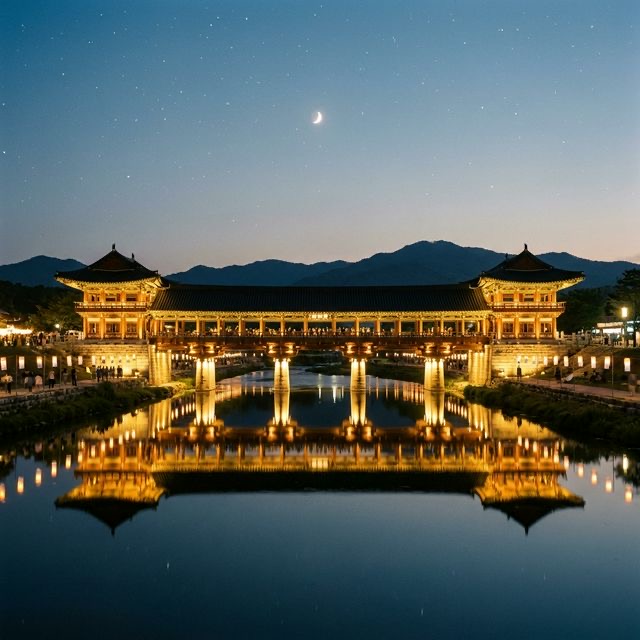
Gyeongju Travel Guide: The Museum Without Walls

· 13 min read
Elena Vance
Editor-in-Chief & Logistics Expert

If Seoul represents the hyper-modern, fast-paced face of 21st-century South Korea, Gyeongju undeniably represents its ancient, enduring soul. For almost an entire millennium—from 57 BC to 935 AD—this relatively small city in the southeastern corner of the Korean peninsula stood proudly as the capital of the Silla Kingdom.

Gyeongju Travel Guide The Museum Without Walls

A Foodie's Guide to South Korea: 10 Dishes & Markets You Can't Miss

· 14 min read
Kai Miller
Cultural Explorer & Photographer

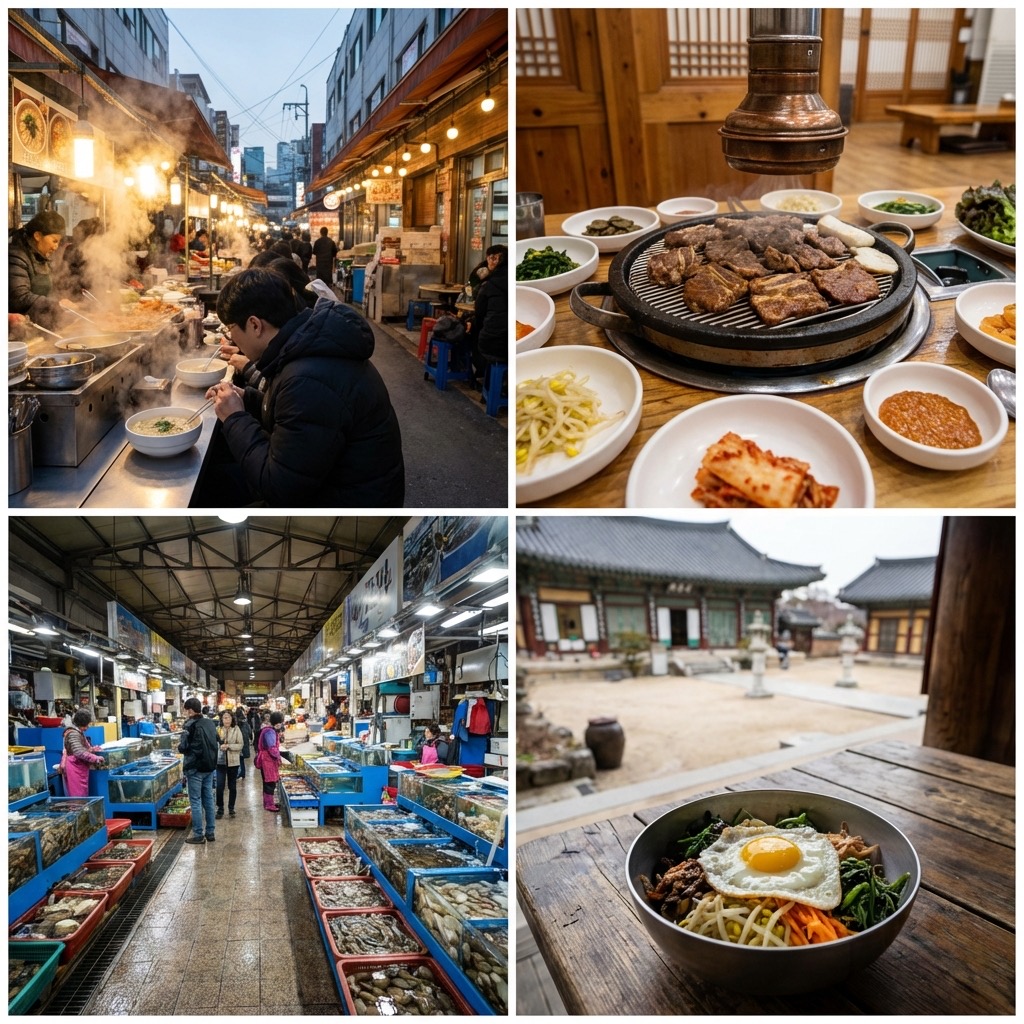
When people think of Korean food, they think of BBQ. And yes, grilling pork belly at your table while sipping soju is a religious experience.

But Korean food is so much more than meat on a grill. It's crispy mung bean pancakes sizzling on a griddle at 11 PM. It's bite-sized gimbap so good they call it "drug food." It's fried chicken so perfectly crunchy that an entire culture formed around pairing it with beer.

I've eaten my way through Seoul's markets, street tents, and hidden alleys. This is your no-nonsense guide to the dishes and places that will make you want to move to Korea just for the food.

A Foodies Guide to South Korea: 10 Dishes & Markets You Cant Miss

Cultural Etiquette in South Korea: 7 Rules to Avoid Awkward Moments

· 14 min read
Elena Vance
Editor-in-Chief & Logistics Expert

Korea is one of the most welcoming countries for international visitors. Locals are famously patient with foreigners, and you won't be arrested or cast out for a minor cultural faux pas. However, South Korea is also a society of deep-seated traditions, governed by an intricate web of unwritten social contracts.

In 2026, as Korea's global cultural influence (Hallyu) reaches new heights, the locals appreciate more than ever when a visitor goes beyond the basics to understand the "why" behind the bow. You will get "side-eye" if you stick your chopsticks upright in your rice, or if you occupy a priority seat on a crowded subway while an elderly person stands nearby. These aren't just rules; they are symbols of Kibun (기분)—the shared emotional state and social harmony of the group.

Korean culture is built on Confucian values: respect for hierarchy, filial piety, and a collective responsibility for social "Face." Understanding these rules will not only make your trip smoother but will unlock doors to deeper, more genuine interactions that go beyond polite tolerance.
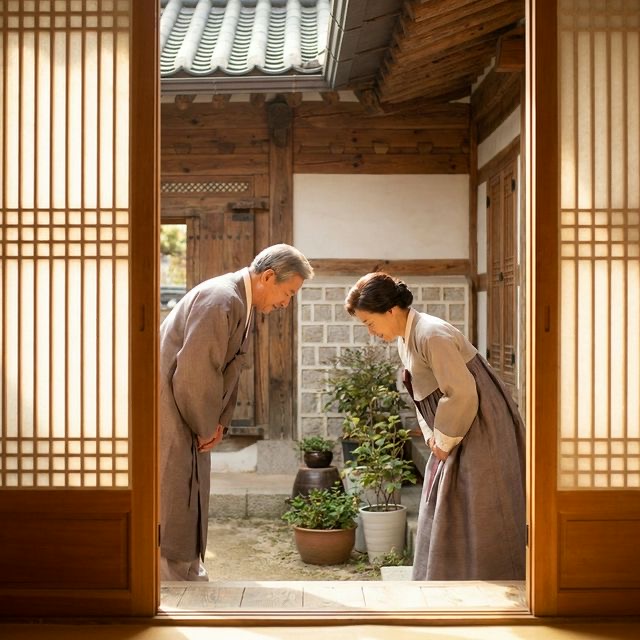

Cultural Etiquette in South Korea: 2026 Ultimate Guide