Korea Travel Guides

Practical Korea travel guides covering Seoul, Busan, Jeju, transport, food, itineraries, and local travel tips.

View All Tags

Tongdosa Temple: One of Korea's Three Jewel Temples Explained

· 13 min read
Elena Vance
Editor-in-Chief & Logistics Expert

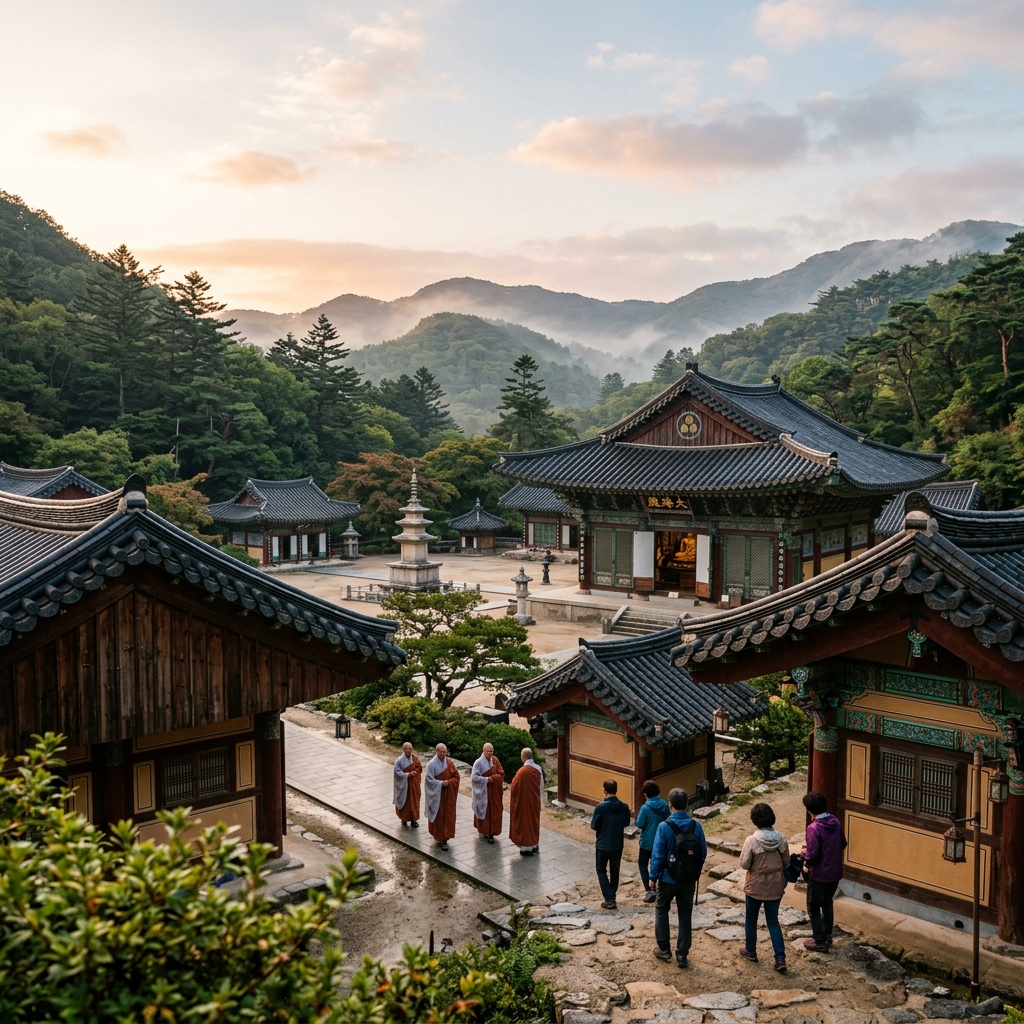
Most visitors to Korea's temples walk in, bow to the golden Buddha statue in the main hall, and move on. At Tongdosa Temple, that routine breaks down immediately: there is no statue. The main hall's altar stands empty — deliberately, defiantly — because the founders believed the relics of the historical Buddha himself, enshrined beneath the courtyard, made any sculpture redundant. That single architectural decision, made over 1,400 years ago, tells you everything you need to know about why Tongdosa is different from every other temple in Korea.
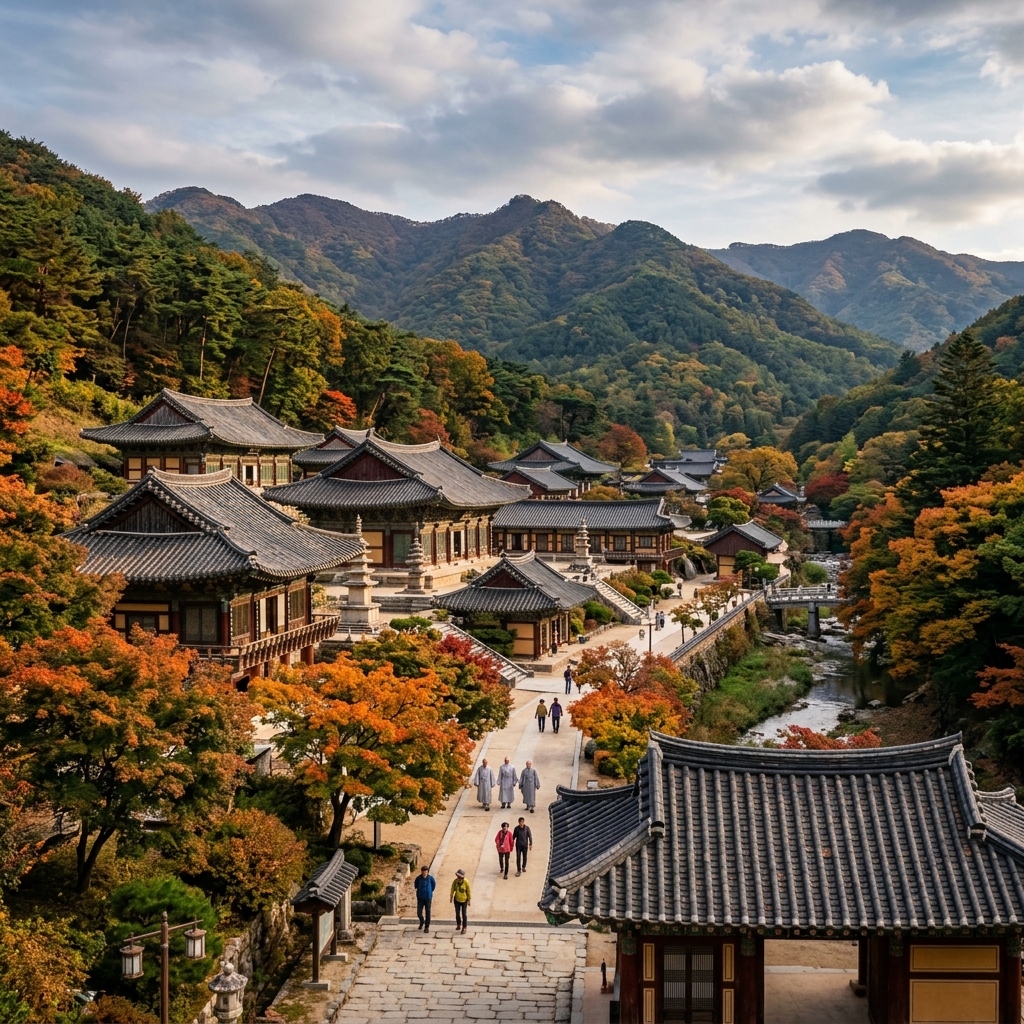
Tongdosa Temple complex surrounded by ancient pine forest in Yangsan, South Korea

Seoraksan's Sinheungsa Temple: Hiking, History & Mountain Views

· 14 min read
Kai Miller
Cultural Explorer & Photographer

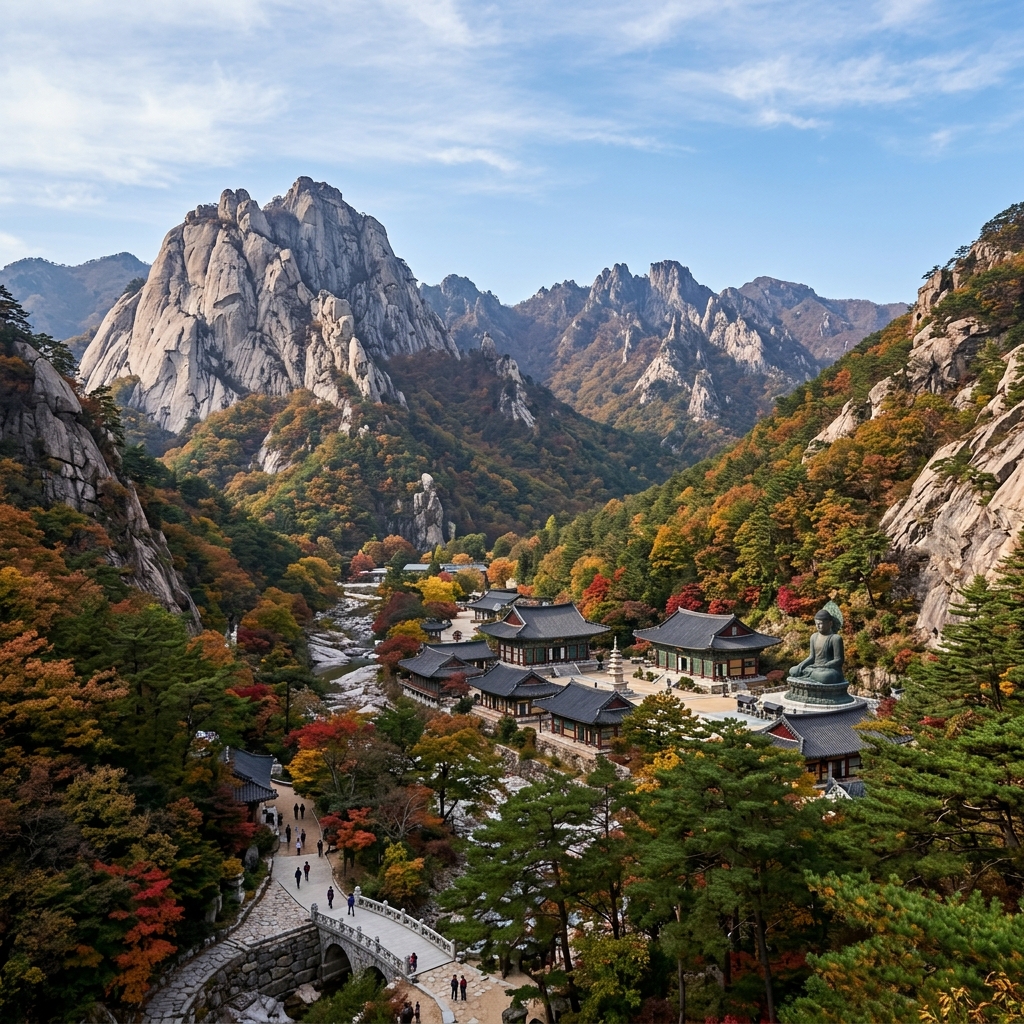
Most travelers rushing through Seoraksan National Park aim straight for the cable car or charge up to Ulsanbawi Rock without pausing at the ancient temple sitting quietly at the mountain's base. That's a mistake. Sinheungsa Temple isn't a footnote on the way to a better view — it is the beating cultural heart of Seoraksan, a 1,400-year-old sanctuary where granite peaks, whispering pines, and the sound of bronze bells create something you won't find anywhere else in Korea.

Sinheungsa Temple surrounded by the granite peaks of Seoraksan National Park

Jogyesa Temple Seoul: The Heart of Korean Buddhism in the City

· 14 min read
Kai Miller
Cultural Explorer & Photographer

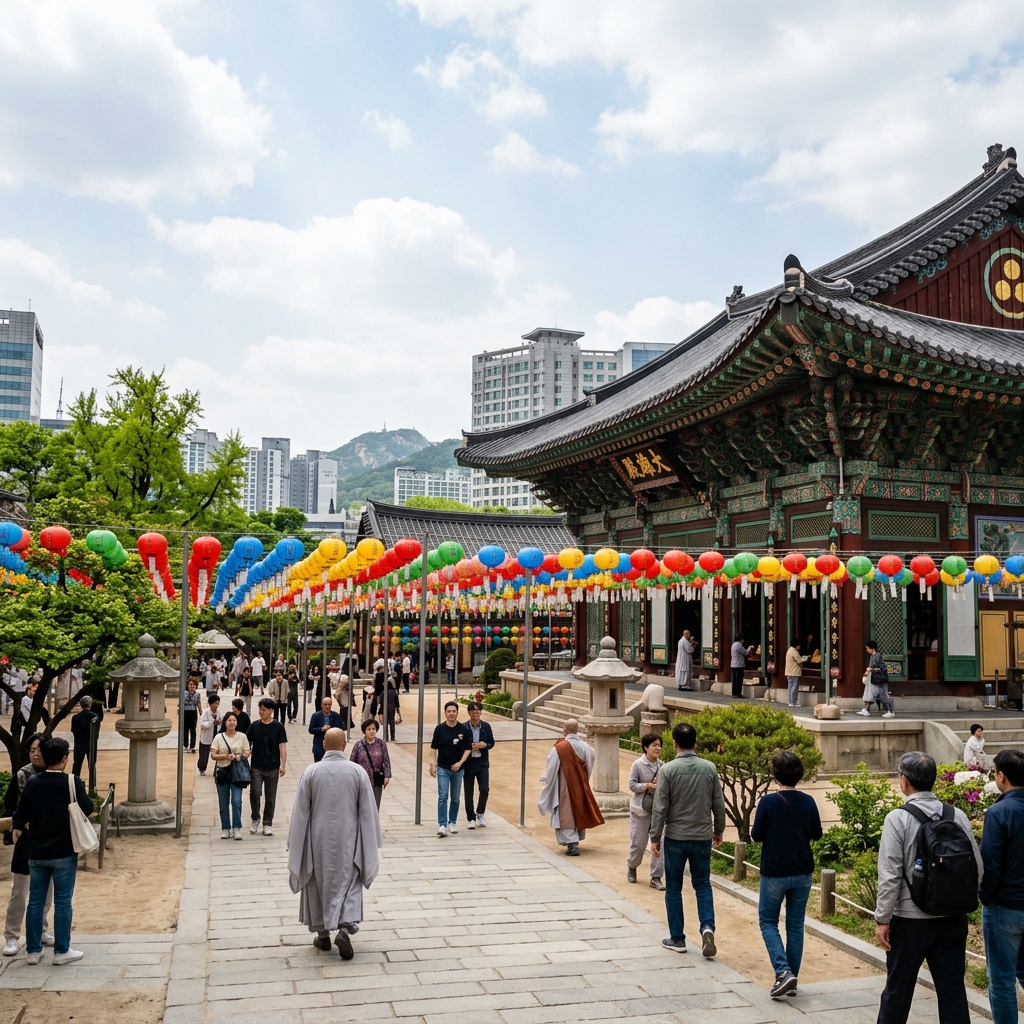
In the middle of one of Asia's most wired, fastest-moving capitals, a 600-year-old Buddhist temple stands quietly surrounded by lotus lanterns and ancient zelkova trees. Jogyesa Temple is the administrative headquarters of the Jogye Order — the dominant order of Korean Buddhism — and for most visitors it delivers something Seoul rarely offers: genuine stillness, available for free, with no reservation required.

Jogyesa Temple Seoul main gate and Daeungjeon hall with lotus lanterns

Haeinsa Temple Stay: Spending a Night at Korea's Tripitaka Koreana Monastery

· 14 min read
Kai Miller
Cultural Explorer & Photographer

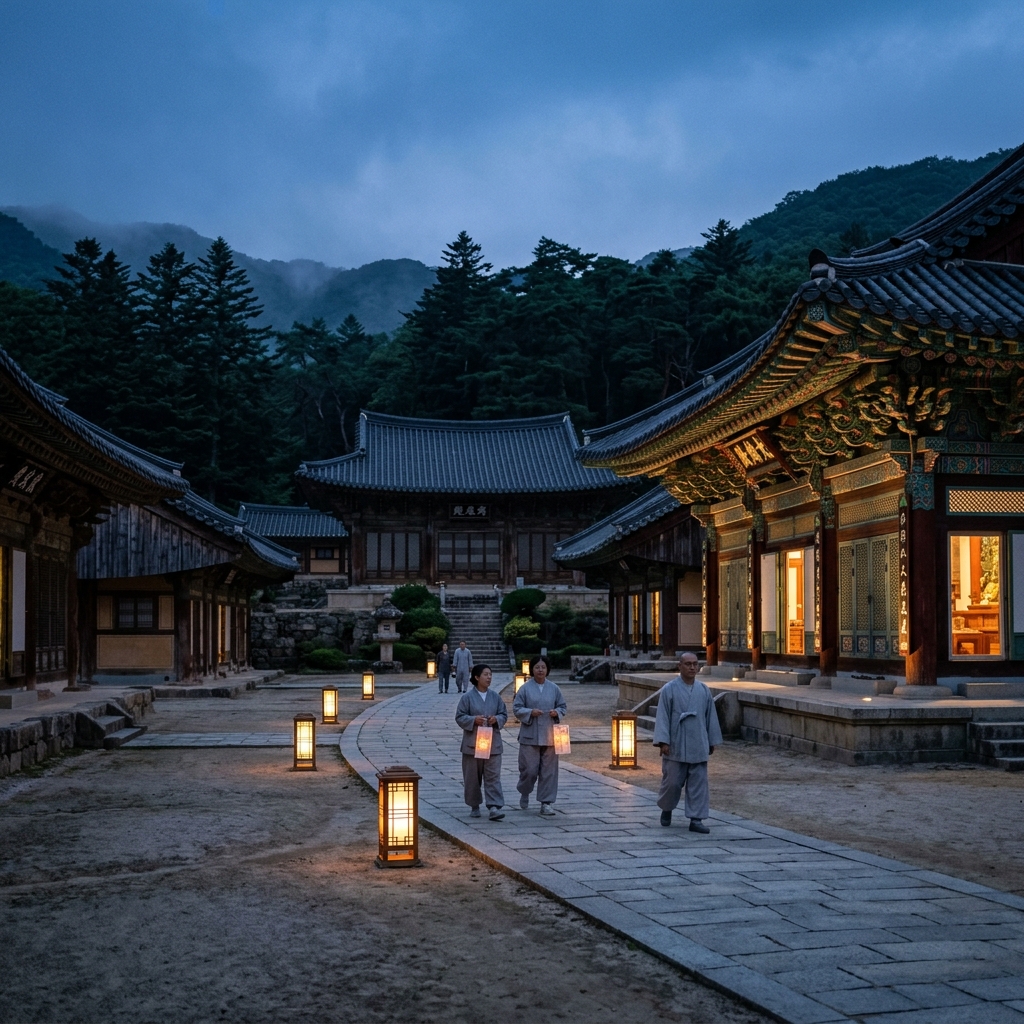
The bell rings at 3:50 a.m. Somewhere in the darkness of the Gayasan mountains, a wooden mallet strikes a large hollow log drum — the mok-eo — and its low resonance rolls across the courtyard, past lanterns swaying in cold mountain air, and through the thin paper walls of your sleeping quarters. You are awake in a way you have never been awake before. This is Haeinsa Temple, home to 81,350 hand-carved wooden printing blocks containing the entire Buddhist canon, and tonight it is also your home.

Haeinsa Temple Stay: Spending a Night at Korea's Tripitaka Koreana Monastery

Bulguksa Temple in Gyeongju: History, Hours & How to Get There

· 14 min read
Elena Vance
Editor-in-Chief & Logistics Expert

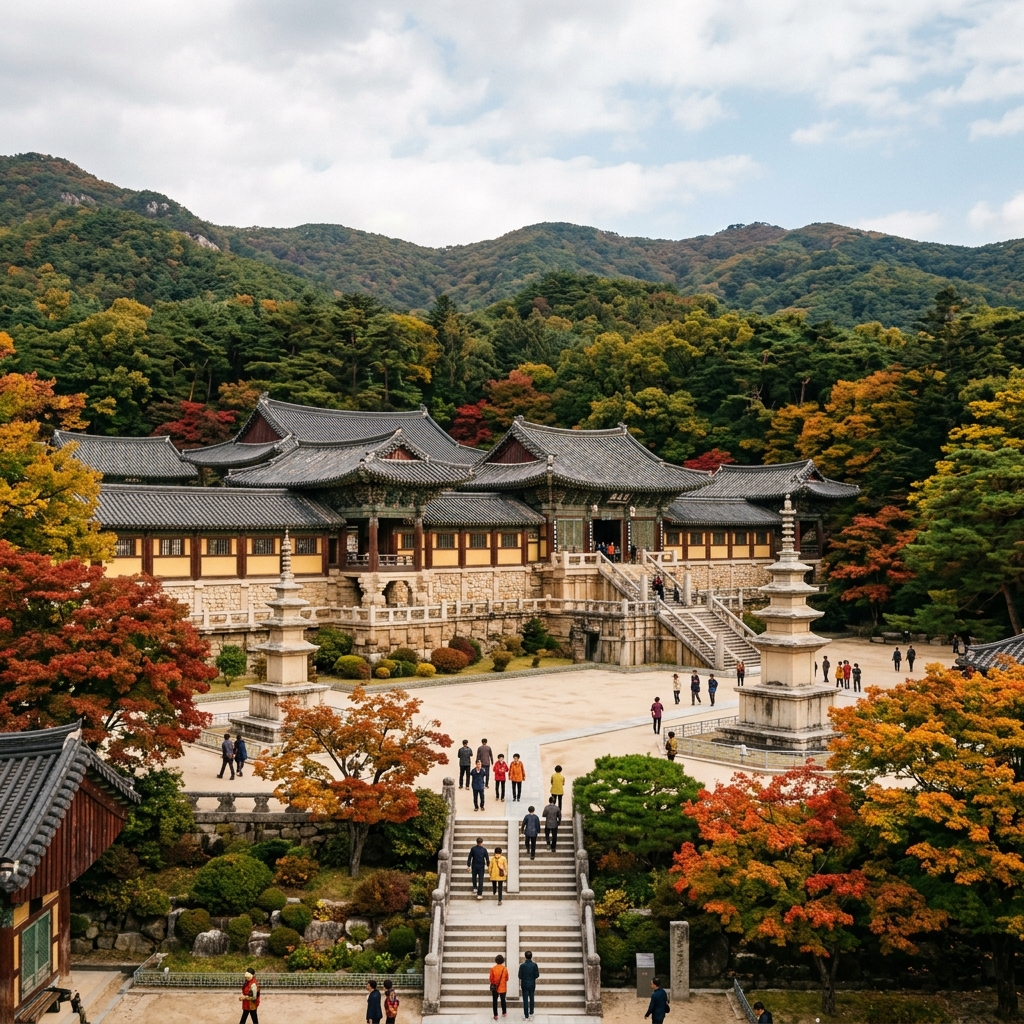
There is a moment, halfway up the stone staircase at Bulguksa Temple, when you stop and realize the steps beneath your feet have been worn smooth by more than a thousand years of pilgrims. The blue-gray granite, the lotus-carved balustrades, the golden rooftiles catching the morning sun — none of it looks like a museum exhibit. It looks alive. Bulguksa is South Korea's most visited UNESCO World Heritage Site for a reason: no photograph has ever done it justice, and no visit ever ends without the urge to turn around and walk back through the gates one more time.

A Bulguksa Temple in Gyeongju scene

Korea's Most Sacred Buddhist Temples: A Complete Visitor's Guide

· 14 min read
Elena Vance
Editor-in-Chief & Logistics Expert

You came to Korea for the street food and the palaces, and then a stone lantern caught the corner of your eye — half-hidden by pine trees on a mountainside — and something shifted. Korea's Buddhist temples don't announce themselves. They wait. And when you finally walk under a painted wooden gate and hear nothing but wind through bamboo, you'll understand why pilgrims have been making this same journey for over a thousand years.

Korea's Most Sacred Buddhist Temples: A Complete Visitor's Guide

Seasonal Korean Street Food: What to Look for Each Month

· 16 min read
Elena Vance
Editor-in-Chief & Logistics Expert

Korea's street food scene doesn't stand still. Walk through the same market in February and again in August, and you'll find completely different vendors, completely different smells, and a completely different mood. Unlike tourist menus that cycle the same dishes year-round, the stalls run by locals shift with the calendar — and if you know what to look for each month, you'll always eat the freshest, most seasonal thing Korea has to offer.

A Seasonal Korean Street Food scene

Korean Street Food for Vegetarians: What You Can and Can't Eat

· 15 min read
Elena Vance
Editor-in-Chief & Logistics Expert

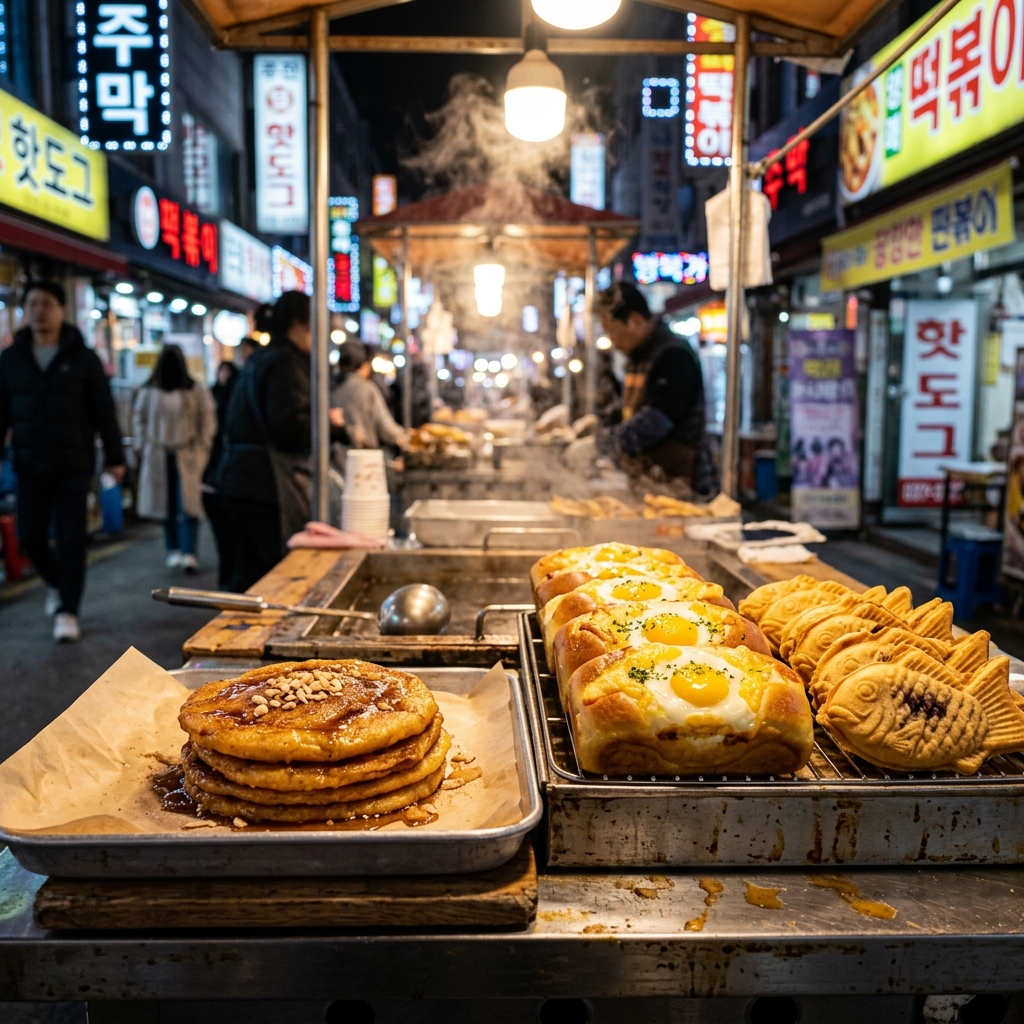
You've just arrived in Seoul, you're hungry, and the street stalls are calling. The smells are incredible — sweet, savory, spicy, toasty. But you're vegetarian, and you've heard enough horror stories to make you hesitate before pointing at anything. The thing nobody tells you upfront: Korean street food looks vegetarian far more often than it actually is. That red sauce coating the rice cakes? Usually built on an anchovy broth base. Those pretty vegetable pancakes? Often fried in a pan that's also used for meat. Even the kimchi at most vendors contains fermented seafood.

A variety of vegetarian-friendly Korean street food including Hotteok, Gyeranppang, and Bungeoppang

Night Market Guide Jeju: What to Eat at Dongmun Market and Beyond

· 13 min read
Kai Miller
Cultural Explorer & Photographer

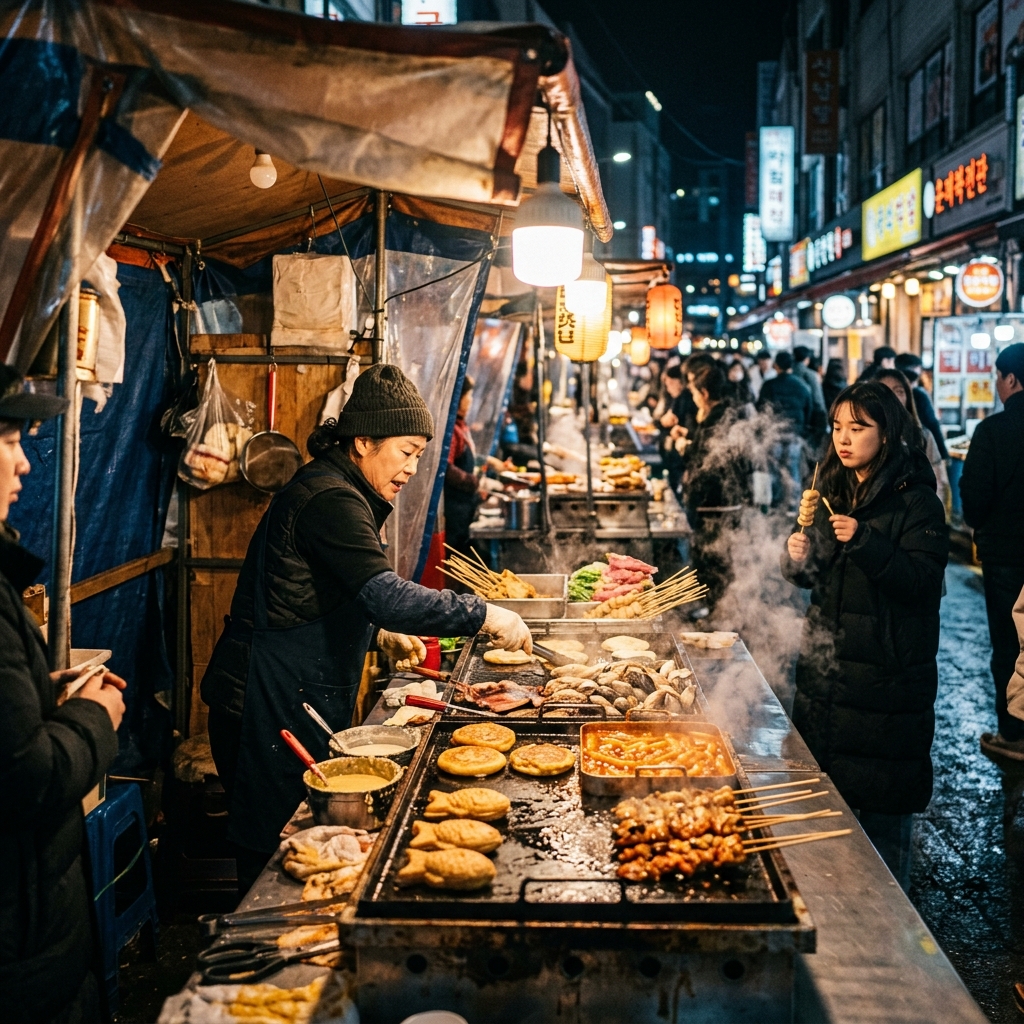
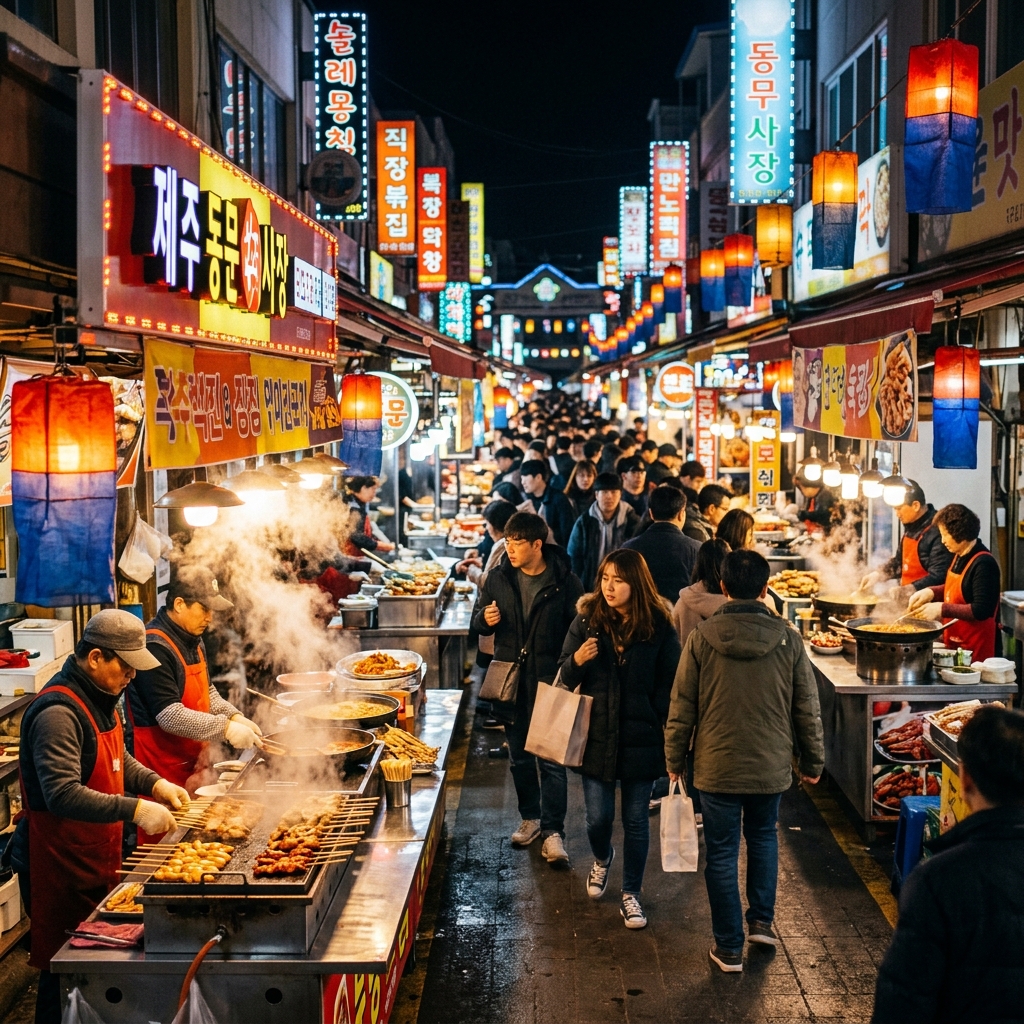
Jeju Island after dark is a different beast entirely. The same island that draws visitors for Hallasan hikes and volcanic beaches transforms at dusk into a labyrinth of sizzling pans, tangerine-scented steam, and vendors who have been perfecting their single dish for decades. If you land on Jeju without a plan for the evenings, you'll end up eating at a hotel restaurant — and that would be a genuine shame.

Vibrant Jeju Dongmun Night Market with glowing signs and street food stalls

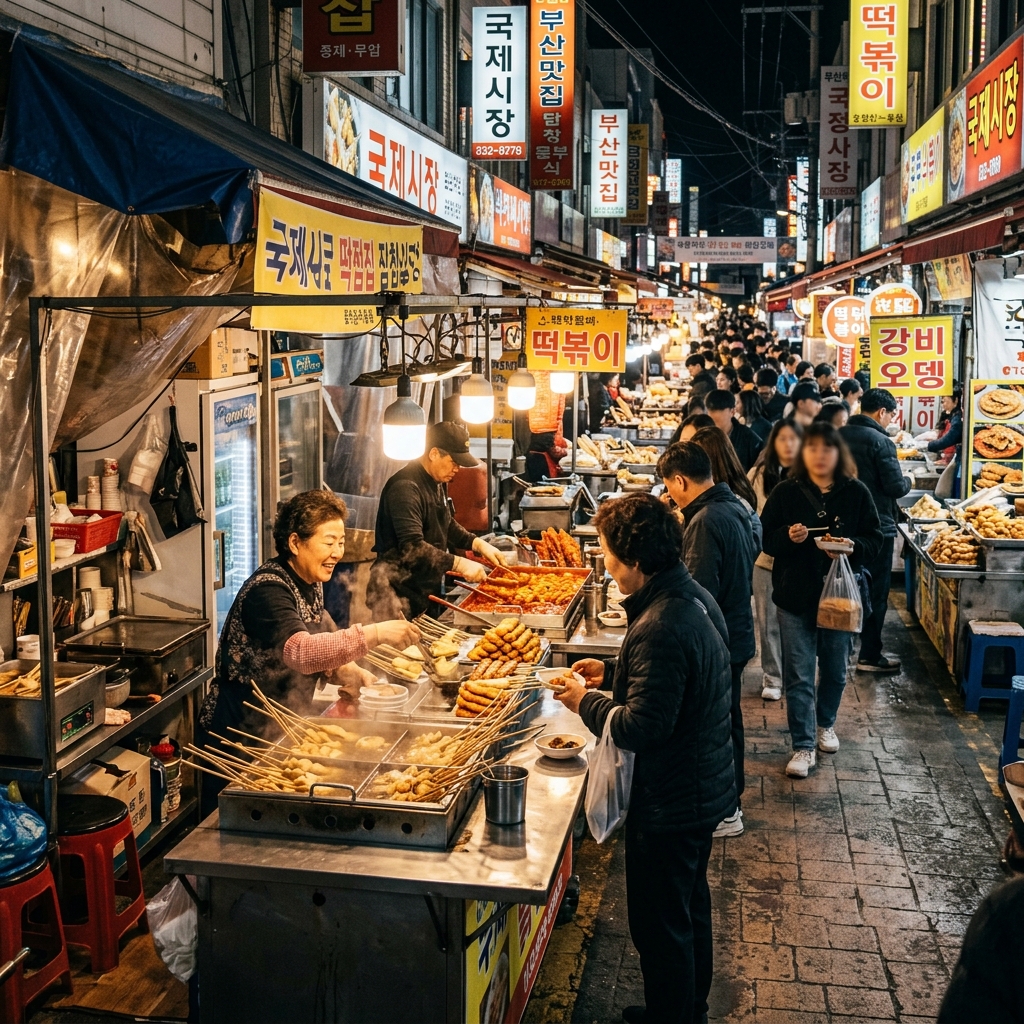
Busan Gukje Market Street Food Guide: The Best of Korea's Second City

· 14 min read
Elena Vance
Editor-in-Chief & Logistics Expert

Most first-time visitors to Busan make a beeline for Haeundae Beach and snap a few photos at Gamcheon Culture Village. That's fine — but if you leave without spending at least half a day eating your way through Gukje Market, you've missed the beating, delicious heart of the city. This is the market where Busan's culinary identity was forged: a labyrinth of stalls and covered alleys where Busan-style dumplings, freshly poured fish cake broth, and seed-filled hotteok are served to a crowd that spans grandmothers, office workers, and curious travelers all shoulder to shoulder. This guide tells you exactly what to order, where to find it, how much to pay, and how to avoid the rookie mistakes that waste your precious stomach space.

Busan Gukje Market Street Food Guide: The Best of Korea's Second City