Korea Travel Guides

Practical Korea travel guides covering Seoul, Busan, Jeju, transport, food, itineraries, and local travel tips.

View All Tags

Crash Landing on You and Goblin: Landmark Scenery Tours in Korea

· 17 min read
Kai Miller
Cultural Explorer & Photographer

There is a moment in every K-drama fan's life when they stop watching the screen and start planning the trip. For millions of viewers worldwide, two shows did this more powerfully than any others: Crash Landing on You (2019–2020) and Goblin (2016–2017). One gave us a love story that transcended borders, the other a romance that transcended centuries — but both gave us something equally intoxicating: a vision of Korea so impossibly beautiful that it demanded to be seen in person. The emerald quarry lake of Pocheon. The granite cliffs wrapped in morning mist. The solitary man standing at a breakwater in Gangneung as ocean spray swirls around him. This guide is your field manual for reaching every single one of those scenes.
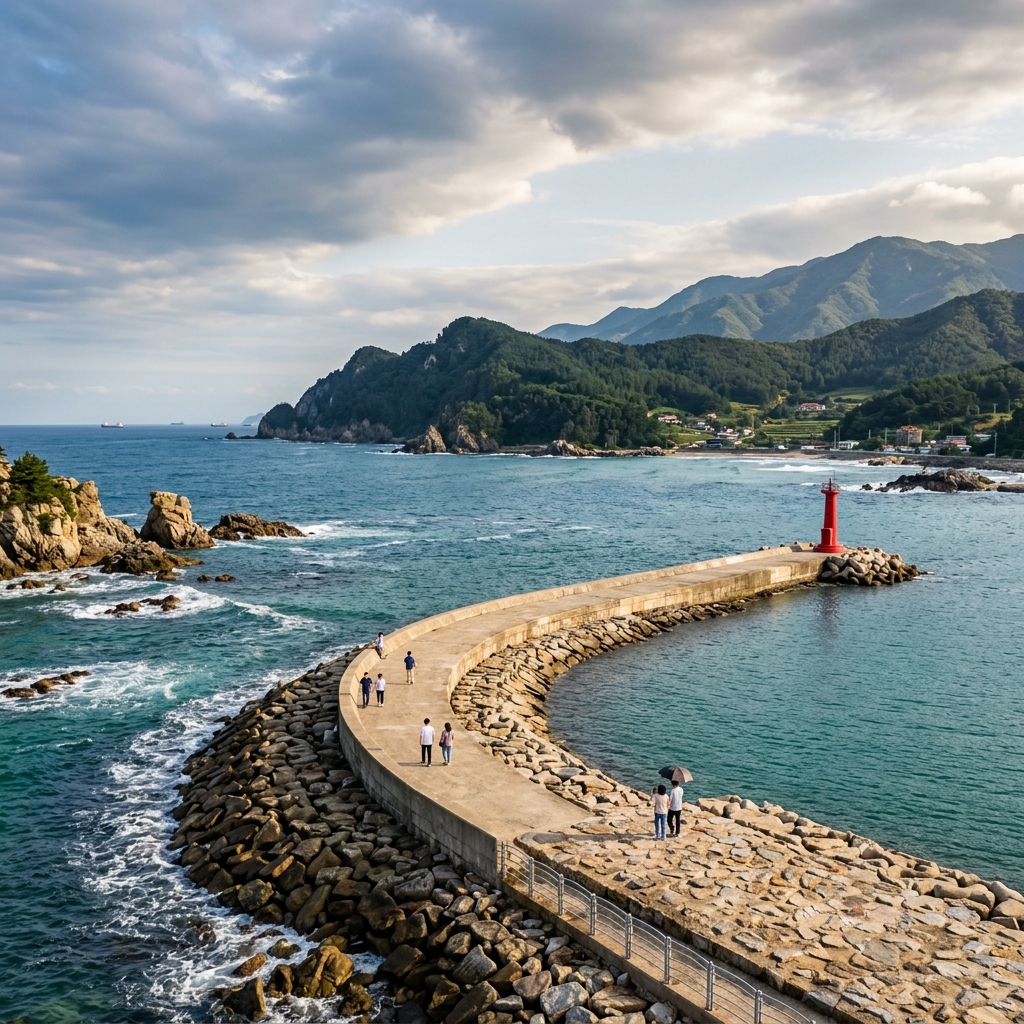
Crash Landing on You and Goblin landmark scenery in Korea, featuring an ocean breakwater with a red lighthouse

Essential K-Drama Filming Locations to Visit in Seoul

· 13 min read
Kai Miller
Cultural Explorer & Photographer

Introduction

Welcome to Seoul, the vibrant capital of South Korea, a city that effortlessly blends ancient traditions with cutting-edge modernity. For K-drama enthusiasts, Seoul isn't just a city; it's a living, breathing movie set where countless iconic scenes from your favorite series have unfolded. From heart-fluttering romantic encounters to intense dramatic confrontations, the streets, cafes, and landmarks of Seoul have played a pivotal role in bringing these captivating stories to life.

In recent years, K-drama tourism has absolutely boomed, transforming Seoul into a must-visit destination for fans eager to step into the world of their beloved characters. Imagine walking the same paths as your favorite leads, snapping photos where pivotal moments occurred, or even reliving a memorable scene. This guide will take you through essential K-drama filming locations across Seoul, helping you plan your ultimate drama-inspired tour.

K-Drama filming locations across Seoul

Capturing Korean Architecture: Hanok Villages to Modern Skylines

· 19 min read
Go Farther Team
Travel Experts & Curators

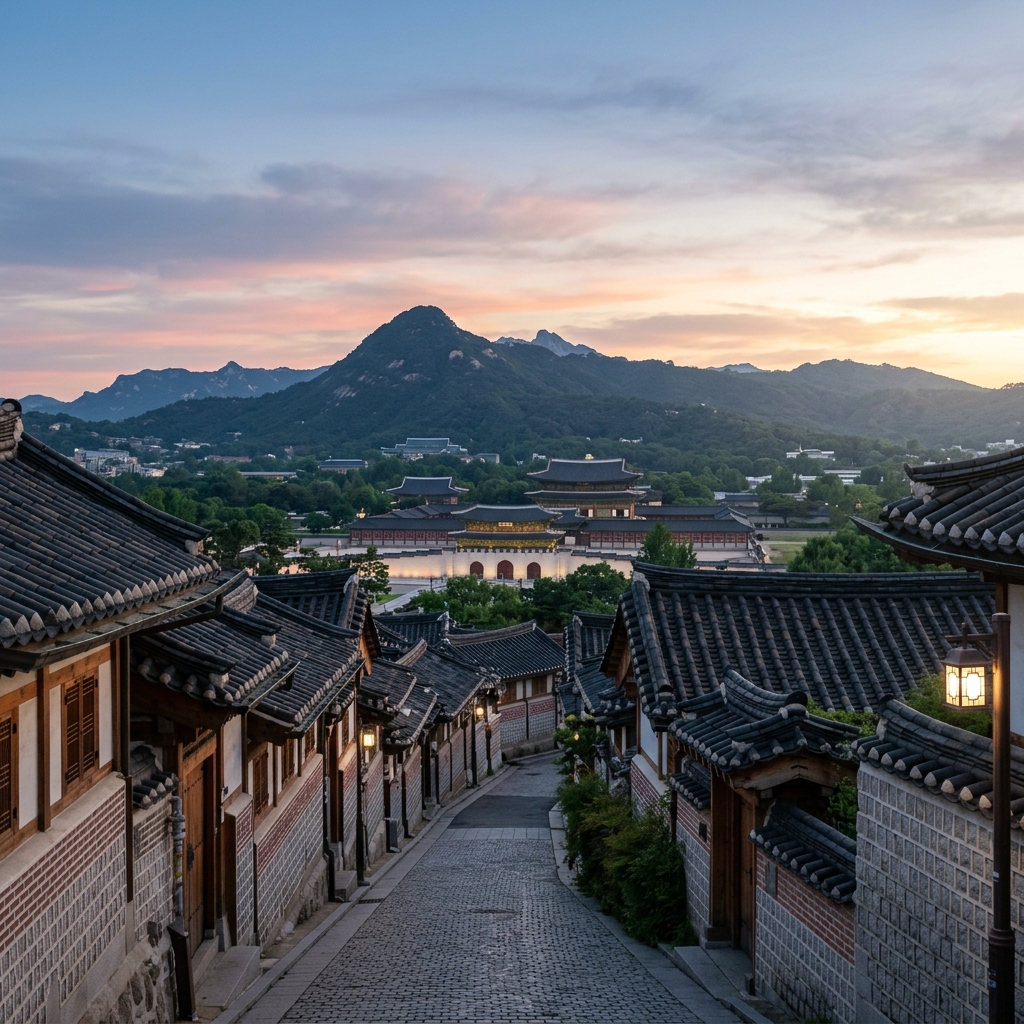
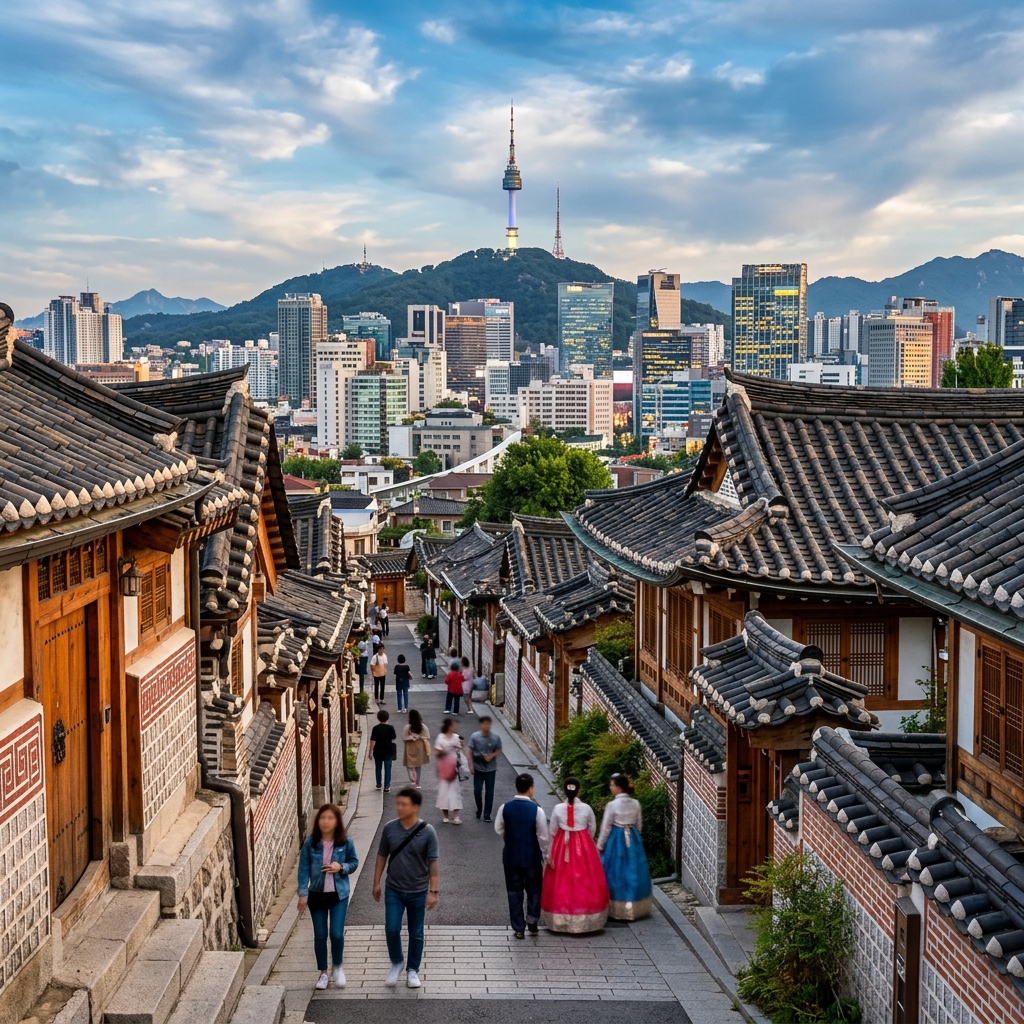
South Korea, a land where ancient traditions gracefully intertwine with dazzling modernity, offers an unparalleled visual feast for photographers. From the intricate eaves of centuries-old hanok villages to the gleaming, futuristic spires that pierce the Seoul skyline, the architectural landscape is a study in captivating contrasts. This guide will take you on a journey through the lens, revealing the best spots and techniques to capture the soul of Korean architecture, both old and new.

Serene Bukchon Hanok Village at Dawn

Chuseok and Seollal: How to Travel During Korean Holidays

· 14 min read
Kai Miller
Cultural Explorer & Photographer

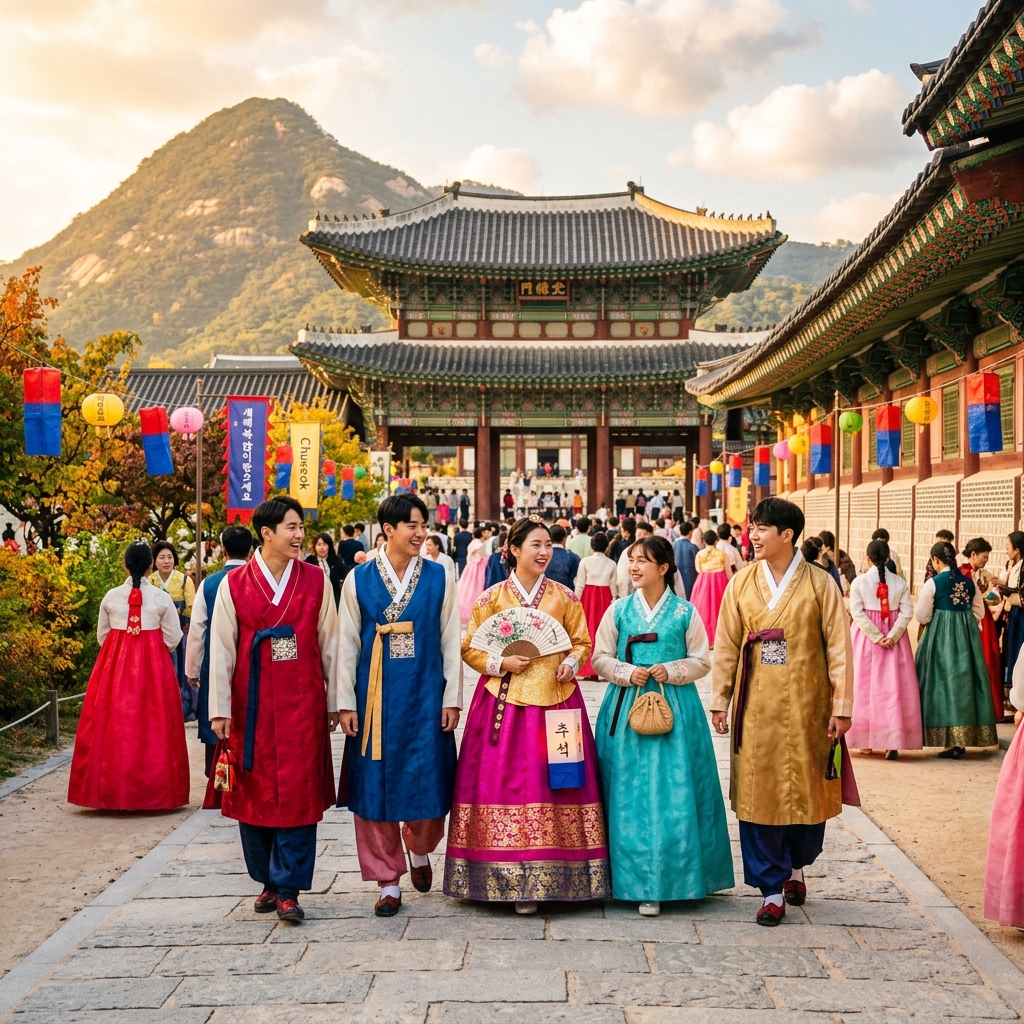
You booked your flights months in advance, mapped out every neighborhood, and built a perfectly balanced itinerary — then you realized your trip falls smack in the middle of Chuseok. Half the internet tells you Korea shuts down. The other half says it's a magical, bucket-list experience. Both are right, and neither tells you what to actually do. This guide does.

Hanbok travelers in a grand royal palace during Chuseok holidays in Korea

Boryeong Mud Festival: The Ultimate Survival Guide

· 17 min read
Elena Vance
Editor-in-Chief & Logistics Expert

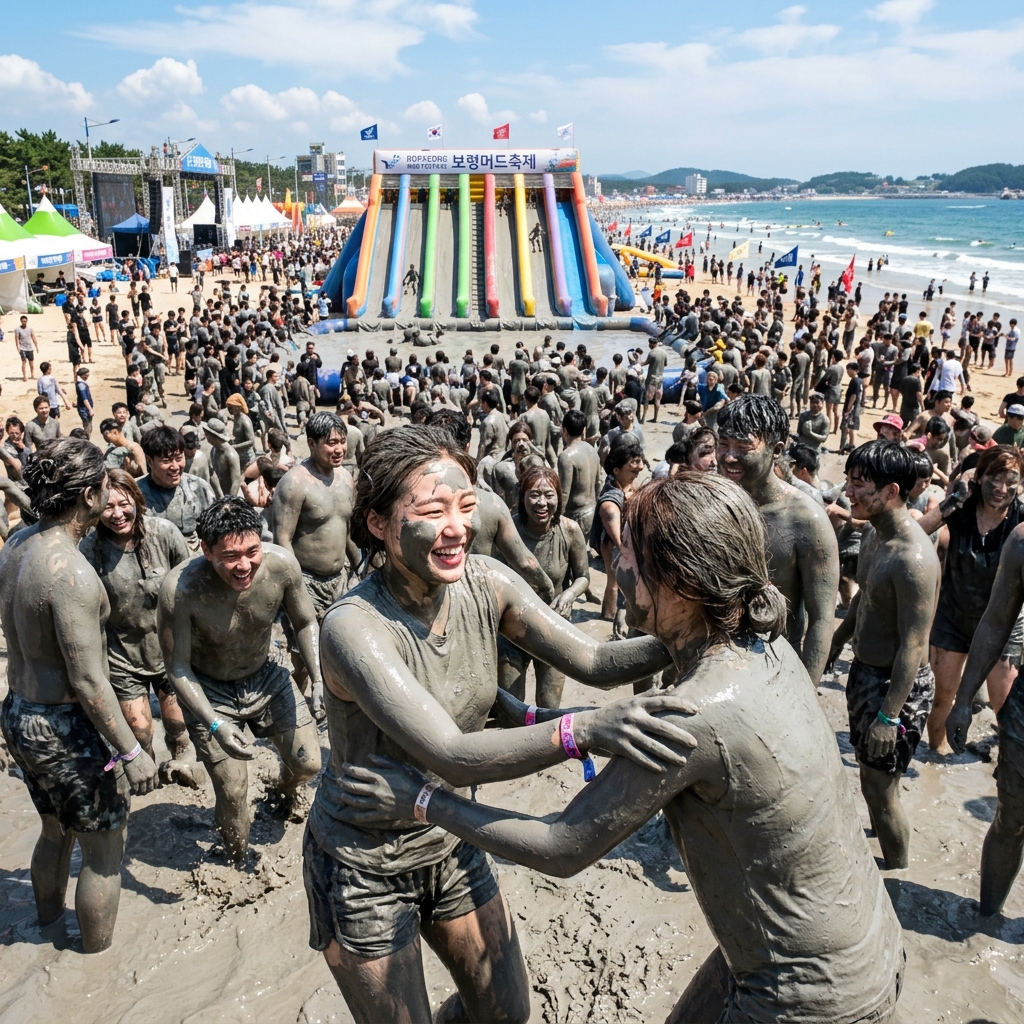
Imagine a world where thousands of people from every corner of the globe descend upon a pristine beach in South Korea, not to swim in the crystal-clear waters, but to dive headfirst into massive pits of grey, mineral-rich mud. This is the Boryeong Mud Festival—a chaotic, exhilarating, and undeniably messy celebration that has become South Korea's most famous international event. Whether you’re sliding down giant inflatable mud-slides, wrestling in the pits, or dancing to K-pop and EDM as the sun sets over the West Sea, it’s an experience that defies logic and embraces pure, unadulterated joy. But don’t let the playful atmosphere fool you; without a plan, you can quickly find yourself stranded with ruined electronics, stained skin, and no way to get back to Seoul. This is the ultimate survival guide to navigating the 2026 Boryeong Mud Festival like a seasoned pro.

Boryeong Mud Festival

Busan International Film Festival (BIFF): A Visitor's Guide

· 17 min read
Elena Vance
Editor-in-Chief & Logistics Expert

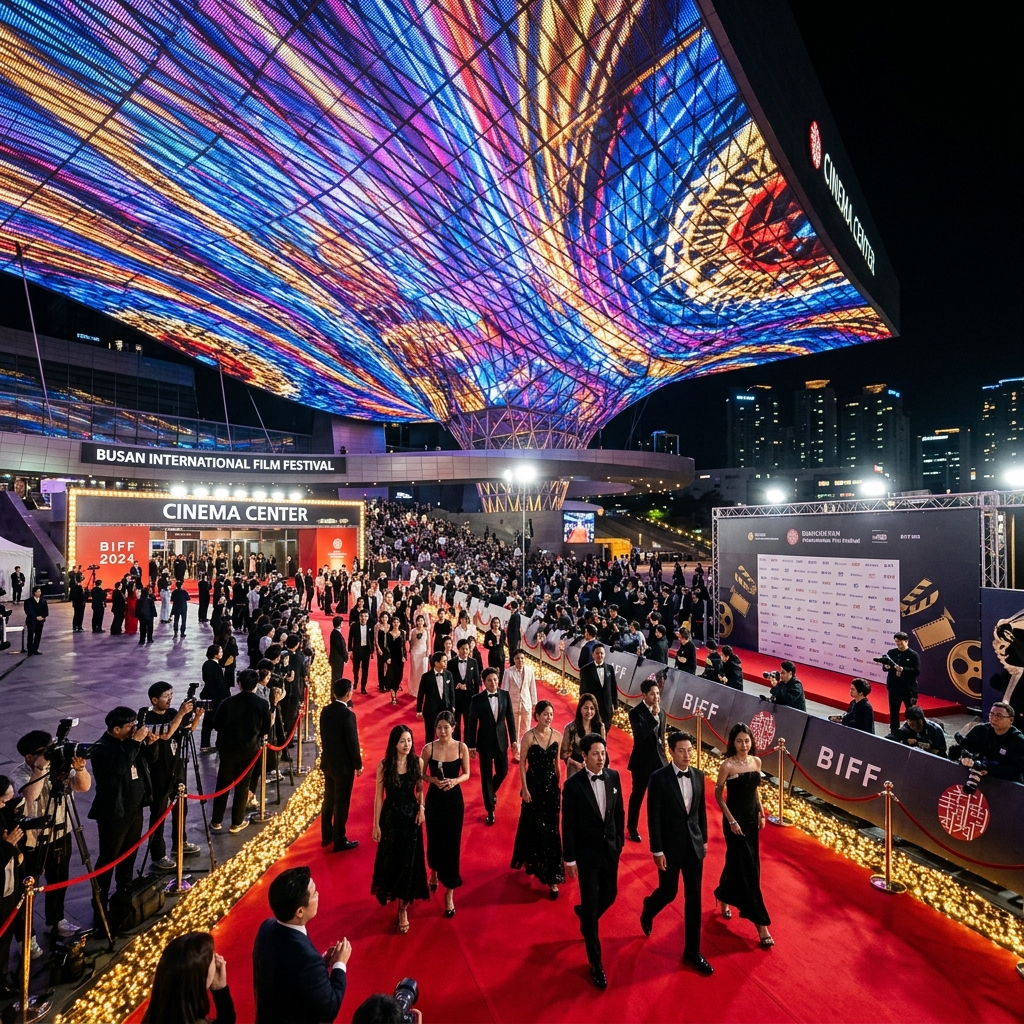
Every October, something remarkable happens in Busan. The port city — already South Korea's most cinematic backdrop, with its layered hillside villages, jade harbour, and neon-lit beaches — transforms into the continent's biggest celebration of film. The Busan International Film Festival, known worldwide as BIFF, draws more than 200,000 visitors each year, premieres hundreds of films from across Asia and beyond, and turns the streets of Haeundae and Nampo-dong into an outdoor film culture you can feel just by walking around. If you've ever wanted to mix serious cinema with one of Korea's most vibrant cities, this is your window.

Busan Cinema Center with a red carpet and a crowd during BIFF

Best Sunset Views in South Korea: Yeosu to Busan

· 19 min read
Elena Vance
Editor-in-Chief & Logistics Expert

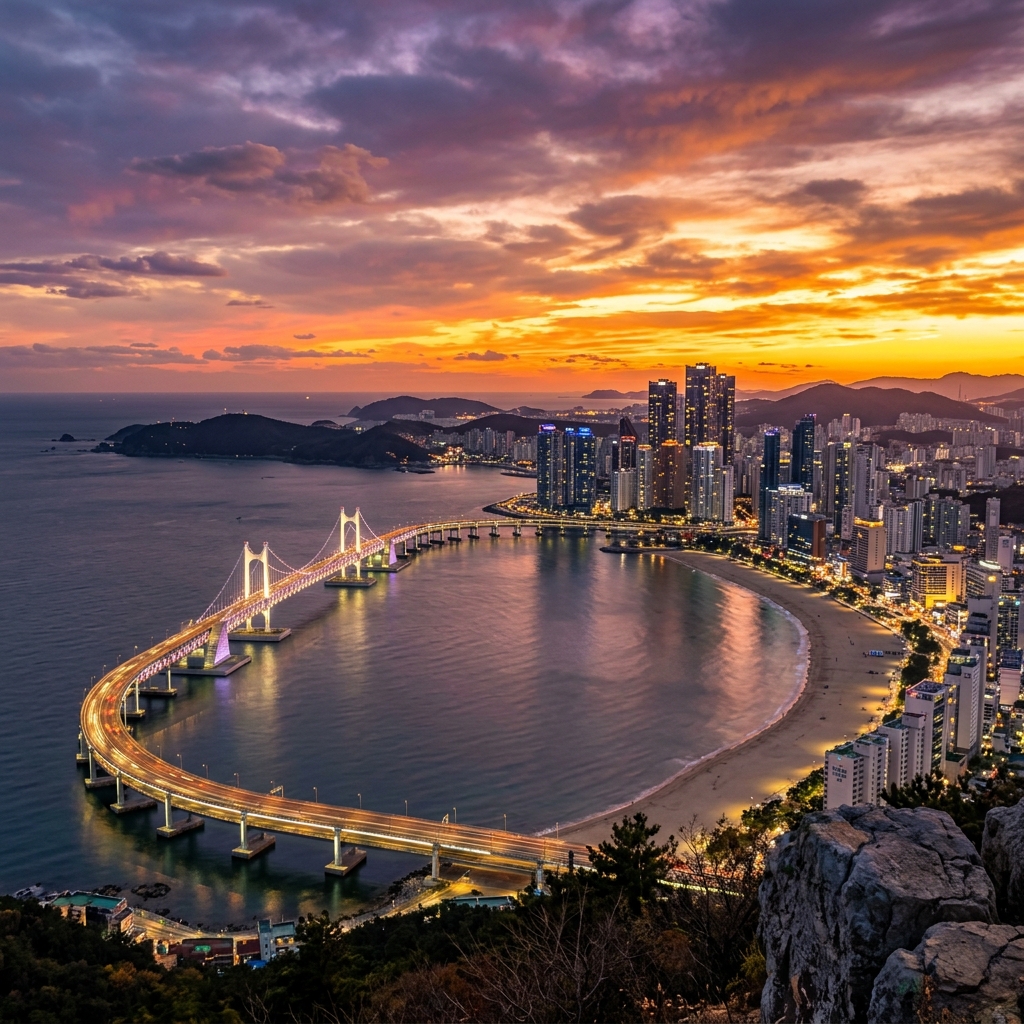
Imagine the sky bleeding into shades of tangerine and violet over a thousand tiny islands, the ocean reflecting the golden hour as it silhouettes the rugged coastline of the "Romantic Coast." From the spiritual cliffside temples of Yeosu to the urban neon-lit horizons of Busan, the southern coast of South Korea offers a sunset experience that rivals any Mediterranean vista, yet remains one of the country's best-kept secrets. For many travelers, the journey from Yeosu to Busan is a sensory feast, a 200-kilometer stretch of coastline where every turn of the road reveals a new, breathtaking perspective on the setting sun.

Golden Hour Sunset Over Busan Gwangan Bridge

Rooftop Cafes with the Best Ocean Views in Busan

· 14 min read
Elena Vance
Editor-in-Chief & Logistics Expert

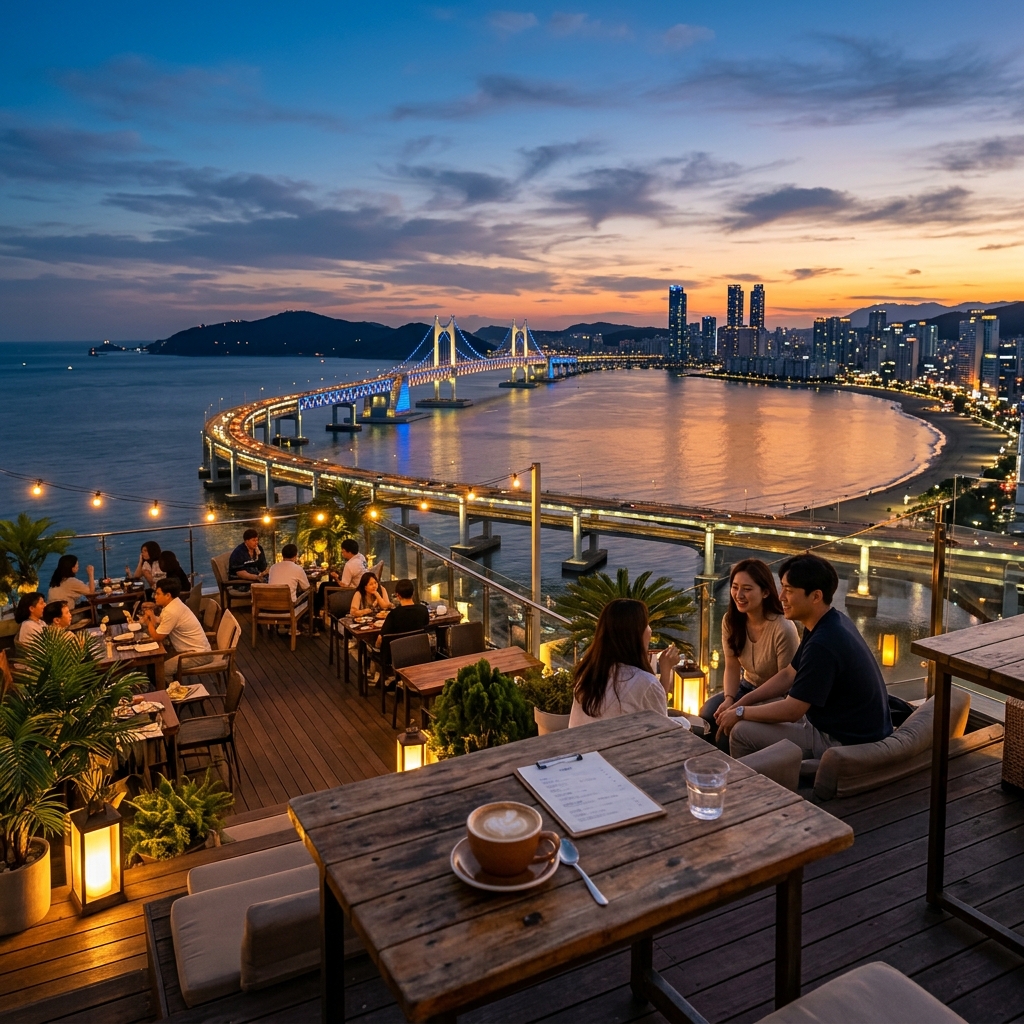
There is something quietly electric about holding a warm cup of coffee while the East Sea stretches out beneath you, the Gwangan Bridge lighting up its own reflection far below. Busan's cafe scene has taken over elevated real estate across the coastline — cliffside perches in Yeongdo, breezy sixth-floor terraces above Gwangalli Beach, and glass-walled lounges in Cheongsapo where sky and ocean blur together. These are not ordinary coffee shops. They are vantage points, and once you find the right one at the right hour, you will understand why Busan draws more repeat visitors than almost any other city in South Korea.

Rooftop cafe overlooking Busan's coastline with ocean views

Traditional Korean Teahouses vs. Modern Espresso Bars

· 14 min read
Kai Miller
Cultural Explorer & Photographer

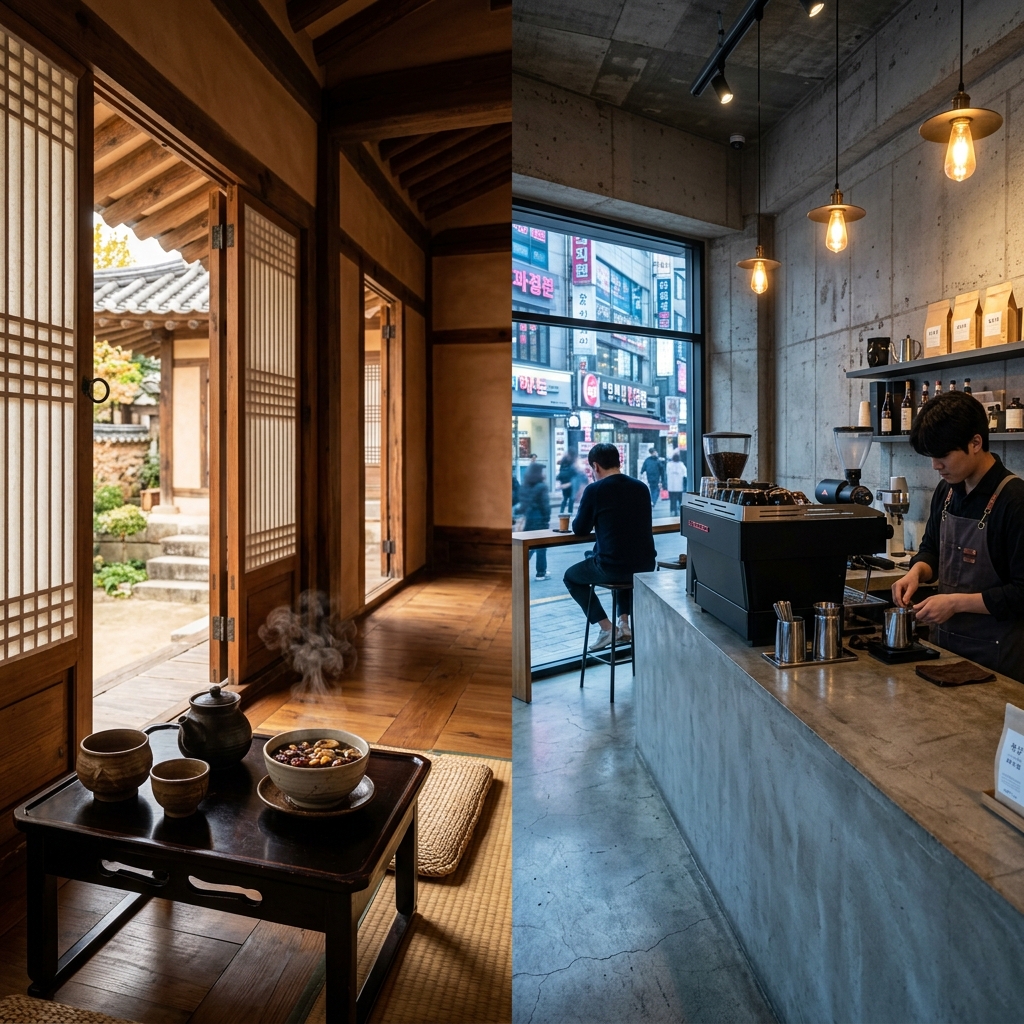
Seoul is a city that somehow holds six centuries of Joseon-era calm and the relentless energy of a 24-hour metropolis in the same breath. Nowhere is that tension more delicious than in its drink culture. Step into a centuries-old Hanok courtyard on a Tuesday morning — heated floors, earthenware cups, a pot of Ssanghwa-cha steaming in the cold air — and you could be in the Joseon dynasty. Step out, walk two subway stops, and you're ordering a perfectly pulled ristretto at a standing espresso bar while a DJ set pours in from the store next door. Both are genuinely, unmistakably Korean. Both are worth your time.

Traditional Korean teahouse interior with wooden furniture and ondol floors contrasted with a sleek modern espresso bar in Seoul

The Rise of Korean Cafe Culture: Why It’s So Unique

· 15 min read
Elena Vance
Editor-in-Chief & Logistics Expert

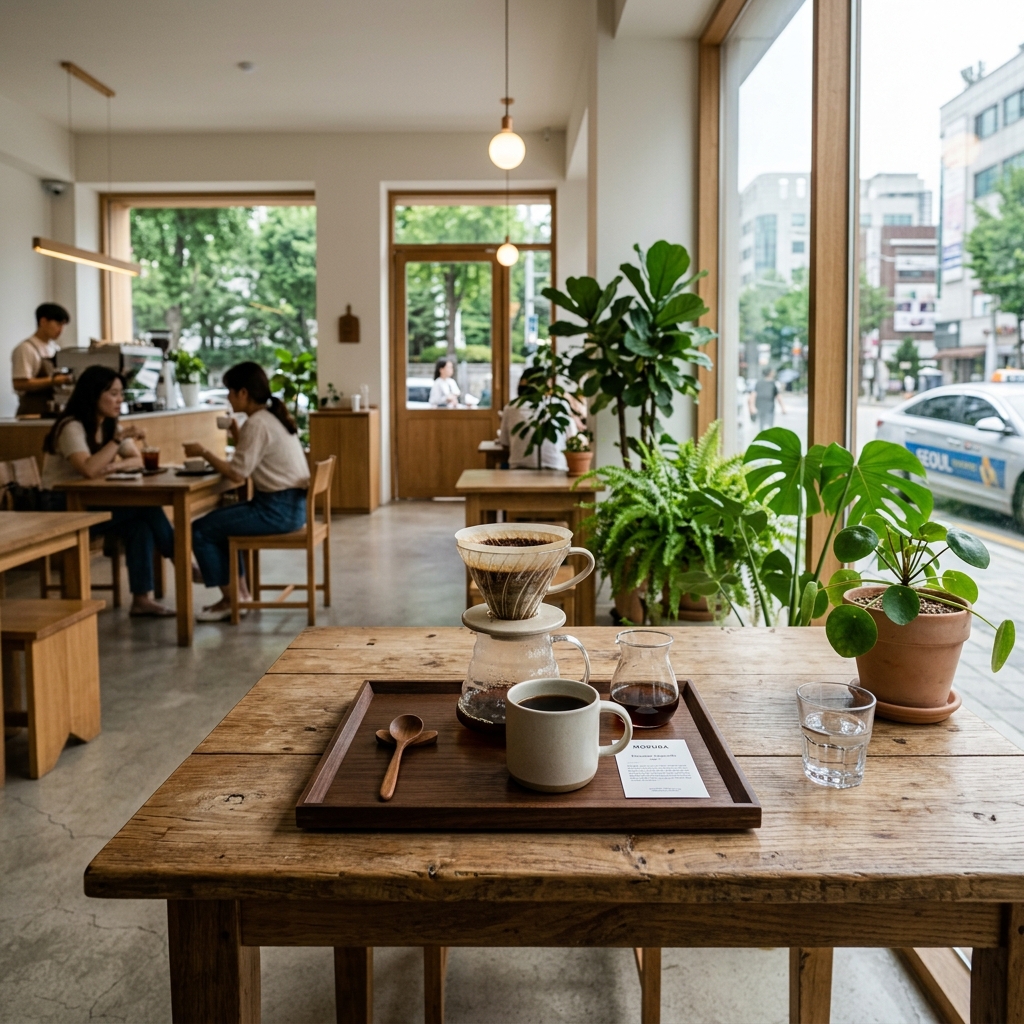
Walk into any neighborhood in Seoul at 2 p.m. on a Tuesday, and you'll find something that would surprise visitors from almost anywhere else in the world: cafes packed full of people — not rushing through a to-go cup, but settling in for hours, laptops open or just staring out the window, cradling a perfectly latte-arted flat white in a space that looks more like a contemporary art gallery than a coffee shop. Korean cafe culture isn't just a trend. It's a deeply rooted social institution, a design movement, and a mirror of modern Korean life all at once.

A stylish Korean cafe interior with natural light, minimalist décor, and specialty coffee