Family Travel in South Korea: Best Kid-Friendly Destinations and Tips

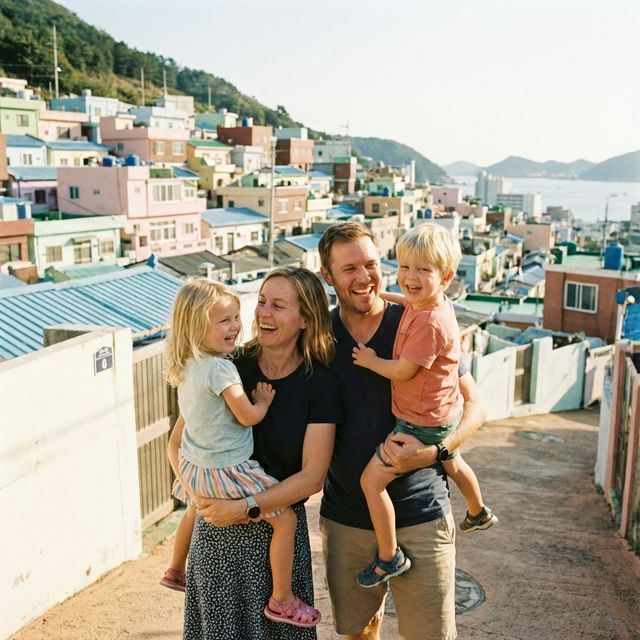
When planning a family vacation to Asia, South Korea often flies under the radar compared to its neighbors. But those who make the leap discover that this dynamic country is one of the world's most spectacular destinations for traveling with children. Ultra-modern infrastructure, profound historical depth, and an exceptionally safe environment combine to create a trip that works for toddlers, teenagers, and parents simultaneously.
South Korea consistently ranks among the safest countries on Earth, with crime rates far below most Western nations. The public transit infrastructure is pristine and punctual, the food is varied enough to please even the most stubborn eaters, and the cultural novelty — from palace-guarding ceremonies to giant interactive science museums — keeps kids engaged at every turn.
The Family Travel Reality Check: Costs in 2026
Before diving in, here's an honest budget framework for a family of four (2 adults, 2 children under 12).
Daily Budget Ranges
| Category | Budget | Mid-Range | Comfortable |
|---|---|---|---|
| Accommodation | ₩80,000–₩120,000 | ₩180,000–₩280,000 | ₩350,000–₩600,000 |
| Food (all meals) | ₩60,000–₩90,000 | ₩100,000–₩160,000 | ₩180,000–₩300,000 |
| Transport | ₩15,000–₩30,000 | ₩30,000–₩60,000 | ₩50,000–₩100,000 |
| Activities | ₩30,000–₩60,000 | ₩80,000–₩150,000 | ₩150,000–₩300,000 |
| Daily Total (family of 4) | ₩185,000–₩300,000 | ₩390,000–₩650,000 | ₩730,000–₩1,300,000 |
| Daily Total (USD, ~₩1,350/$) | $137–$222 | $289–$481 | $541–$963 |
Money-Saving Note: Children under 5 are free on most public transport. Children 6–12 pay 50% of adult fares on the subway and most buses.
Why South Korea Is the Ultimate Family Destination
If there is one word that defines family travel in South Korea, it's convenient. The public transit infrastructure is famously pristine and punctual, meaning less time wrangling kids in transit and more time exploring. Beyond the trains, Korean culture is intensely focused on family and education — resulting in world-class children's museums, expansive manicured parks, and an abundance of well-run theme parks.
Perhaps most importantly, South Korea consistently ranks as one of the safest countries globally. Crime rates are remarkably low. It is entirely normal to see young children navigating the subways alone, and parents quickly find themselves relaxing into the rhythm of the city rather than holding their children's hands at every crossing.
Age-by-Age Guide: What Works for Different Kids
Toddlers (Ages 1–4)
- Best for: Lotte World (indoor section), Han River Park, Seoul Forest (deer corral), convenience store snack culture
- Challenges: Stroller logistics on subway stairs, spicy food, long walking distances
- Key Tool: The Suyu-sil (수유실) system — Korea's "baby rooms" are legendary. Found in department stores (Lotte, Hyundai, Shinsegae), major subway stations, and tourist hubs, these provide changing tables, microwaves for heating food, bottle sterilizers, and private nursing stalls.
- Transport Tip: Lightweight umbrella strollers are far more practical than large travel systems. Many subway stations have elevators, but they can be several minutes' walk from the platforms.
Children (Ages 5–10)
- Best for: Gyeongbokgung Palace + hanbok rental, Everland, COEX Aquarium, Insadong art workshops, Jeju lava tube caves, Busan's Gamcheon Culture Village
- Highlights: Hanbok rental (₩15,000–₩30,000/day per child) grants free entry to most of Seoul's royal palaces and makes for stunning family photos. The Royal Guard Changing Ceremony at Gyeongbokgung runs at 10 AM and 2 PM daily (except Tuesdays) and is a guaranteed crowd-pleaser.
- Interactive Museum Pick: Seoul Children's Museum (서울 어린이박물관) in Gwangjin-gu has four floors of brilliantly designed hands-on exhibits — building cities, exploring the human body, coding with robots. ₩4,000 per child, free for under 36 months.
Tweens (Ages 11–14)
- Best for: K-Pop experiences (agency district tours, music show attendance, idol cafes), DMZ educational tours, Hongdae street performances, K-beauty workshops, PC cafés
- Highlights: The HYBE Insight Museum in Yongsan is specifically designed for fans of BTS and Big Hit artists. Interactive exhibitions, recording booths, and displays on the K-Pop production process. ₩22,000 per person; book 2–3 months ahead on weekends.
- Gaming Culture: Korean PC cafés (피씨방, PC-bang) are extremely clean, fast, and family-friendly in most neighborhoods. A 2-hour session costs ₩3,000–₩5,000.
Teenagers (Ages 15+)
- Best for: Nearly everything. Teenagers with K-Pop or K-Drama interests will be in heaven. Cooking classes, martial arts experiences, night markets, hiking.
- Teen-Specific Highlight: Gangnam Street Fashion — Korean teen fashion (Y2K, streetwear) is globally influential. Budget-shopping in the underground malls of Gangnam and Sinchon gives teenagers a genuine cultural immersion.
Seoul: The High-Tech Urban Playground
Seoul is likely where your family journey will begin, and it packs a monumental punch for every age group.
Theme Parks: Lotte World vs. Everland
| Factor | Lotte World | Everland |
|---|---|---|
| Location | Jamsil (subway accessible) | Yongin (45 min from Seoul) |
| Indoor Option | Yes — massive indoor section | No (mostly outdoor) |
| Best Season | Year-round | Spring (tulips) and summer |
| Best For | Toddlers/younger kids, rainy days | Older kids (better rides) |
| Peak Entry Price (2026) | ₩62,000 adults, ₩49,000 kids | ₩69,000 adults, ₩56,000 kids |
| Giant Pandas? | No | Yes — Aibao and Le Bao (breeding pair) |
| Safari Experience | No | Safari World (drive-through, ₩5,000 extra) |
| Ride Quality | Good | Excellent |
Booking Tip: Buy tickets online (through the official apps) at least 3 days ahead to save 10–20% and skip the physical ticket queue.
Palaces and History
- Gyeongbokgung: The grandest of Seoul's five royal palaces. Free entry with hanbok; ₩3,000 without. Royal Guard Ceremony at 10 AM and 2 PM (not Tuesdays).
- Changdeokgung's Secret Garden (비원): A UNESCO World Heritage site. Requires a separate guided tour (₩8,000–₩12,000 per person, limited daily entry). Children over 7 tend to appreciate it most.
- Deoksugung Palace: Has the most interactive royal guard ceremony. The gate guards stand stoically while visitors photograph them — kids inevitably try to make them smile.
Nature Breaks
- Seoul Forest Park (서울숲): Wide open lawns, a deer corral where children can feed deer directly, butterfly greenhouse, and excellent bike rentals. Free entry; bike rental ₩3,000/hour.
- Han River Parks (한강공원): Nine parks running along the Han River. The most family-friendly are Yeouido (near the water fountain bridge) and Banpo (near Seorae Island). Rent quadricycles (4-person pedal cars, ₩8,000/30 min) for toddler-friendly exercise.
- Children's Grand Park (어린이대공원): A dedicated family park in Gwangjin-gu with free entry, a small zoo, amusement rides (₩1,500–₩3,000 each), and extensive picnic areas.
Busan: Coastal Fun and Colorful Villages
South Korea's second-largest city offers an entirely different vibe — mountain breezes, ocean views, and a more relaxed pace.
Beaches for Families
| Beach | What Kids Love | Amenities | Best Season |
|---|---|---|---|
| Haeundae | Wide, gentle waves, sandcastle territory | Full lifeguard service, changing rooms, lockers | June–August |
| Gwangalli | The Gwangan Bridge view, water sports | Beach volleyball, kayak rentals | June–September |
| Songjeong | Less crowded, surfer culture | Surf lessons for kids 8+ (₩30,000/session) | July–August |
| Dadaepo | Sunset Beach; great for families | Sunset Fountain show, easy parking | Spring, Autumn |
Gamcheon Culture Village (감천문화마을)
The "Lego Village" — a hillside neighborhood painted in vibrant pastel colors. Navigating its winding alleys, discovering hidden art installations (a Little Prince statue, a Bok (deer) hiding spot), and collecting stamps on a map feels like a real-life scavenger hunt for kids.
- Map Cost: ₩2,000 (includes 2 stamps for exchangeable art gift)
- Time Required: 1.5–2.5 hours
- Best Approach: Go on a weekday morning. Weekend afternoons are crowded and the alleyways (built for one person at a time) become impassable.
- Getting There: Bus #2 or #2-2 from Toseong-dong toward Gamcheon. Or take a Kakao T taxi directly (₩8,000–₩12,000 from Nampo).
The Sky Capsule (해운대 블루라인파크)
Colorful 4-person gondola capsules traveling along an elevated coastal railway are the most universally beloved family activity in Busan. Children find them delightful; parents find the views stunning.
- Ticket (2026): ₩30,000 for 2 people, ₩40,000 for 4 people
- Book Online: blueline.or.kr — sells out weeks ahead on weekends
Jeju Island: Nature's Outdoor Classroom
Often called the "Hawaii of Korea," Jeju Island is an absolute must-do if your family loves the outdoors.
Family-Friendly Jeju Activities
| Activity | Age Range | Price | Duration |
|---|---|---|---|
| Manjanggul Lava Tube | 5+ | ₩4,000 adults, ₩2,000 kids | 1–1.5 hours |
| Aqua Planet Jeju | All ages | ₩32,000 adults, ₩25,000 kids | 2–3 hours |
| Jeju Stone Park | 6+ | ₩5,000 | 1.5 hours |
| Yeongsil Trail (Hallasan) | 8+ (easy section) | Free | 3–4 hours return |
| Gimnyeong Maze Park | All ages | ₩3,000 | 30–90 min |
| Jeju Loveland | Adults only (18+) | N/A | N/A |
Manjanggul Cave: Older kids will love descending into the vast, echoing 9km lava tube — one of the longest in the world. Only the first 1km is open to visitors. The ceiling height (up to 23 meters) is genuinely awe-inspiring. Bring a light jacket (it's 11°C inside year-round).
Aqua Planet Jeju: One of the largest aquariums in Asia. The 5.4-million-liter main tank contains whale sharks, manta rays, and thousands of tropical fish. The facility is excellently designed for strollers, with wide accessible paths throughout.
Practical Logistics for Parents
Stroller Strategy
Major subway stations have elevators, but finding them requires planning:
- Download Seoul Metro's official app — it maps elevator locations at every station.
- The elevators are usually at the far end of the platform, a 3–5 minute walk from the train.
- Lightweight, foldable strollers are strongly recommended over bulky models. Multiple sets of stairs remain unavoidable.
- On bus routes, fold the stroller and hold your child. Buses do not accommodate open strollers.
Essential Apps for Families
| App | Function | Key Benefit for Families |
|---|---|---|
| Naver Map (네이버 지도) | Navigation | More accurate than Google in Korea; shows elevator routes |
| Kakao T (카카오T) | Taxi booking | Van option for families with gear; English-friendly |
| Papago (파파고) | Translation | Photo translation of menus and signage |
| Baemin (배민) | Food delivery | Deliver to your accommodation; kids-friendly options filter |
| Seoul Metro | Subway navigation | Elevator maps and real-time arrivals |
Medical Emergencies and Healthcare
South Korea has excellent healthcare, and emergency rooms in Seoul (particularly at Samsung Medical Center, Asan Medical Center, and Severance Hospital) have English-speaking staff.
- Emergency Number: 119 (ambulance and fire), 112 (police)
- Tourist Medical Hotline: 1339 (English-speaking medical guidance)
- Pharmacies (약국): Open until 10 PM in most neighborhoods. Show symptoms or a photo of medication packaging — pharmacists are knowledgeable and helpful.
Feeding Picky Eaters: Non-Spicy Korean Food
A common fear is that Korean food is too spicy for children. While much of it is, there are abundant delicious, mild staples at every restaurant and convenience store.
Kid-Approved Non-Spicy Dishes
| Dish | Korean | What It Is | Where to Order |
|---|---|---|---|
| Galbi | 갈비 | Sweet soy-marinated grilled ribs | Korean BBQ restaurants |
| Bulgogi | 불고기 | Sweet stir-fried beef | Most Korean restaurants |
| Tonkatsu | 돈까스 | Breaded pork cutlet, often with rice and corn soup | Dedicated donkkaseu restaurants |
| Kimbap | 김밥 | Korean rice rolls (mild versions available) | Any gimbap shop or convenience store |
| Juk | 죽 | Savory rice porridge — great for upset stomachs | Bon Juk chain restaurants |
| Mandu | 만두 | Steamed dumplings | Any mandu shop or convenience store |
| Hotteok | 호떡 | Sweet filled pancake (brown sugar/peanut) | Street stalls |
Ordering Tip
When ordering for kids at a Korean BBQ restaurant, ask: "Ddeogbokki mal-go, gochujangeun ppajuseyo" (tteokbokki aside, please remove the gochujang). Most restaurants will happily adjust the spice level for children.
The Convenience Store Strategy
Korean convenience stores (CU, GS25, 7-Eleven, Emart24) are genuinely excellent for family feeding:
- Banana milk (바나나 우유): ₩1,200 — a Korean children's cultural icon
- Triangle kimbap: ₩1,200–₩1,500, mild fillings like tuna or egg
- Cup instant ramyeon with hot water (from the in-store dispenser): ₩1,500–₩2,000
- Cut fruit cups: ₩2,000–₩4,000
- Yakult probiotic drinks: ₩600 — kids love them
The Exhausted-Evening Meal Plan
The hardest family meal in Korea is rarely lunch. It is the 7 PM dinner after a long transit day or a theme park afternoon. The best fix is to pre-select a fallback before anyone gets overtired.
- Fast fallback: a kimbap chain with donkatsu, udon, dumplings, and fried rice in one place
- Low-stress fallback: a department-store basement food hall with mild soups, bakery items, fruit, and seats
- Emergency fallback: convenience-store dinner in the hotel room
The goal is not culinary perfection. The goal is avoiding a meltdown that ruins the next morning.
Accommodation Guide for Families
Choosing the right accommodation significantly affects a family trip's ease and cost.
Best Accommodation Types
Family-Friendly Hotels (Most Convenient) Large hotel chains (Lotte, Shilla, Signiel) offer family rooms (interconnecting rooms or suites with a sofa bed) and the full service infrastructure — concierge for restaurant bookings, 24-hour front desk, in-house restaurants that accommodate picky eaters.
- Price (2026): ₩200,000–₩450,000/night for a family room
- Best Brands for Families: Novotel (kid-friendly pool at some branches), Lotte City Hotel, Park Hyatt (quieter, great for toddlers who need early bedtimes)
Serviced Apartments (Most Practical) For stays of 4+ days with children, serviced apartments with kitchenettes are dramatically more practical. You can prepare simple breakfast and lunch, store milk and baby food in the refrigerator, and do a quick laundry mid-trip.
- Recommended: Oakwood Premier, Lotte City Serviced Residences, Fraser Suites
- Price: ₩150,000–₩300,000/night for a 1-bedroom with full kitchen
- Booking: Available directly or via Booking.com and Airbnb
Hanok Guesthouses (Cultural Experience) For families with children 8 and older who want cultural immersion, a one-night stay in a traditional Korean hanok guesthouse is unforgettable. Ondol (heated floor) sleeping, communal morning tea, and historic architecture create memories that outlast any theme park.
- Locations: Bukchon Hanok Village (Seoul), Jeonju Hanok Village (overnight)
- Price: ₩80,000–₩180,000/night per room
- Note: Narrow alleys around many hanok villages are difficult for strollers. Best for walking-age children.
Neighborhood Recommendations by Family Type
| Family Type | Best Seoul Neighborhood | Why |
|---|---|---|
| With toddlers | Mapo-gu or Yongsan | Wide sidewalks, flat terrain, good hospital access |
| K-Pop fans (tweens) | Hongdae or Mapo | Proximity to busking, idol cafes, Hongik Univ. Station |
| Sightseeing focus | Jongno-gu | Walking distance to all major palaces |
| Beach-break balance | Busan's Haeundae | Direct beach access, Blueline Park nearby |
Simple Family Trip Templates
Seoul Only: Best for First-Timers With Small Kids
- 3 to 5 nights total
- One major activity per day
- One indoor backup saved in advance
This is the least stressful format if your children still nap, use a stroller, or struggle with long transit chains.
Seoul + Busan: Best Balance for School-Age Kids
- Seoul: 3 to 4 nights
- Busan: 2 to 3 nights
- Transfer: KTX in the middle of the day, not at dawn
This split gives variety without adding another airport. For the rail side, pair this article with our Seoul to Busan transport comparison and the KTX booking guide.
Add Jeju Only If You Have Enough Nights
Jeju is excellent for families, but it adds airport time, a hotel move, and often a rental car. It works well for:
- 8+ total nights in Korea
- children who enjoy nature days
- families comfortable with car-seat and luggage logistics
If you do add Jeju, use our Jeju 4-day itinerary and the rental-car guide.
Rain Backup Rule
Every family day in Korea should have a saved indoor substitute.
| Original Plan | Easy Rain Backup |
|---|---|
| Han River park day | Children's museum or aquarium |
| Busan beach day | Shinsegae Centum City indoor break |
| Palace morning | National museum or department-store food hall |
| Outdoor Jeju stop | Aqua Planet Jeju |
This is what keeps one wet day from wrecking the itinerary.
Conclusion
A family trip to South Korea is an adventure that blends the thrill of the completely foreign with the comfort of world-class infrastructure. It challenges kids to try new things — from using chopsticks to navigating a subway — in an environment that is exceptionally safe and welcoming. The memories made here tend to be the ones families talk about for years.
If you want to make the trip run smoothly, handle entry first with our South Korea visa requirements guide, then map your city movement with the public transportation guide. If your little ones are bursting with energy, plan an unforgettable day out with the theme parks guide or the children's museums guide. And if your route includes Jeju or any countryside segment, keep the rental-car guide nearby.