Before and After: What to Know About Cosmetic Surgery Tourism in Korea

· 19 min read

Kai Miller
Cultural Explorer & Photographer

If you are planning a trip to Korea and the word "vacation" is sharing your itinerary with the word "procedure," you are not alone. Korea has become one of the world's most recognizable destinations for cosmetic surgery tourism because it combines highly specialized clinics, English-friendly international patient services, and a travel infrastructure that makes recovery logistics easier than many first-time visitors expect. The hard part is not finding a clinic. The hard part is planning the trip so the treatment, recovery, transport, and tourism parts do not work against each other.
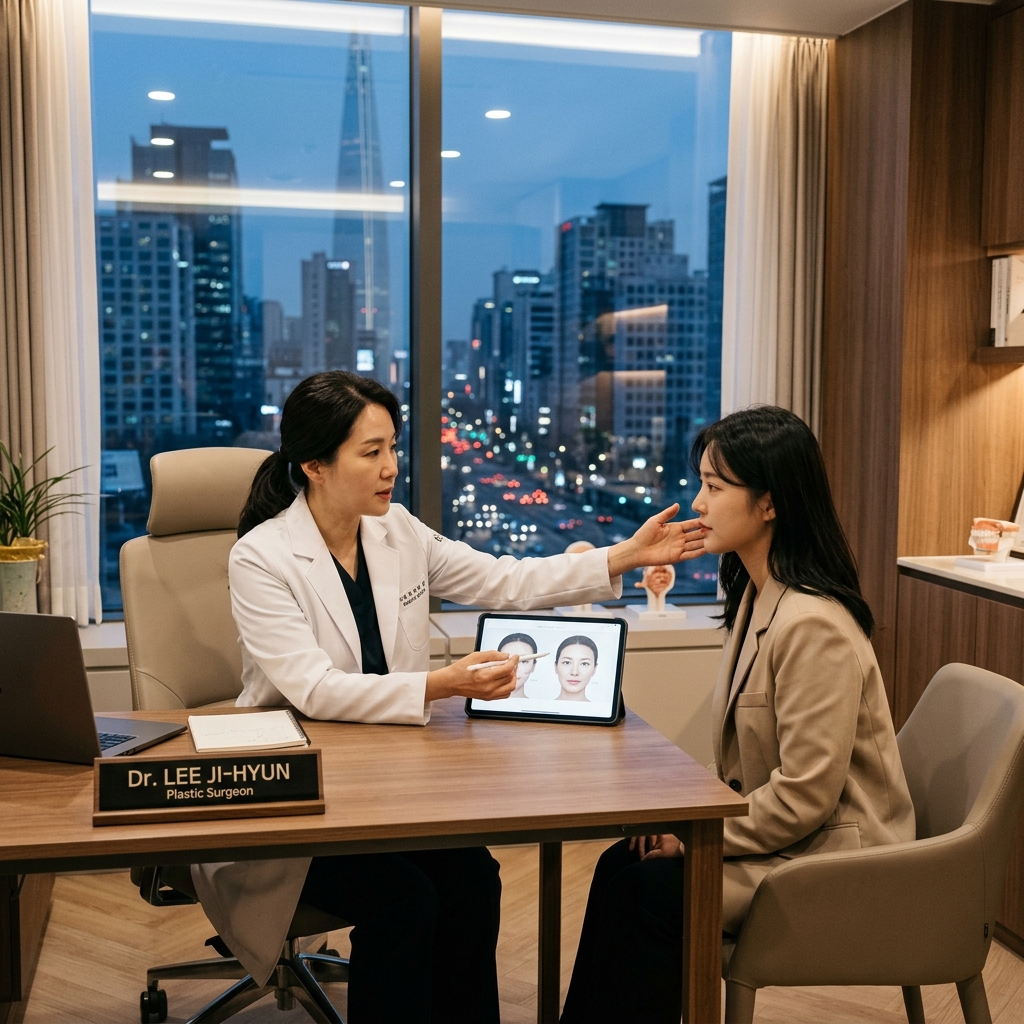
A Before and After scene

Korean Countryside Roads: Self-Drive Healing Routes in Gyeongbuk

· 19 min read
Kai Miller
Cultural Explorer & Photographer

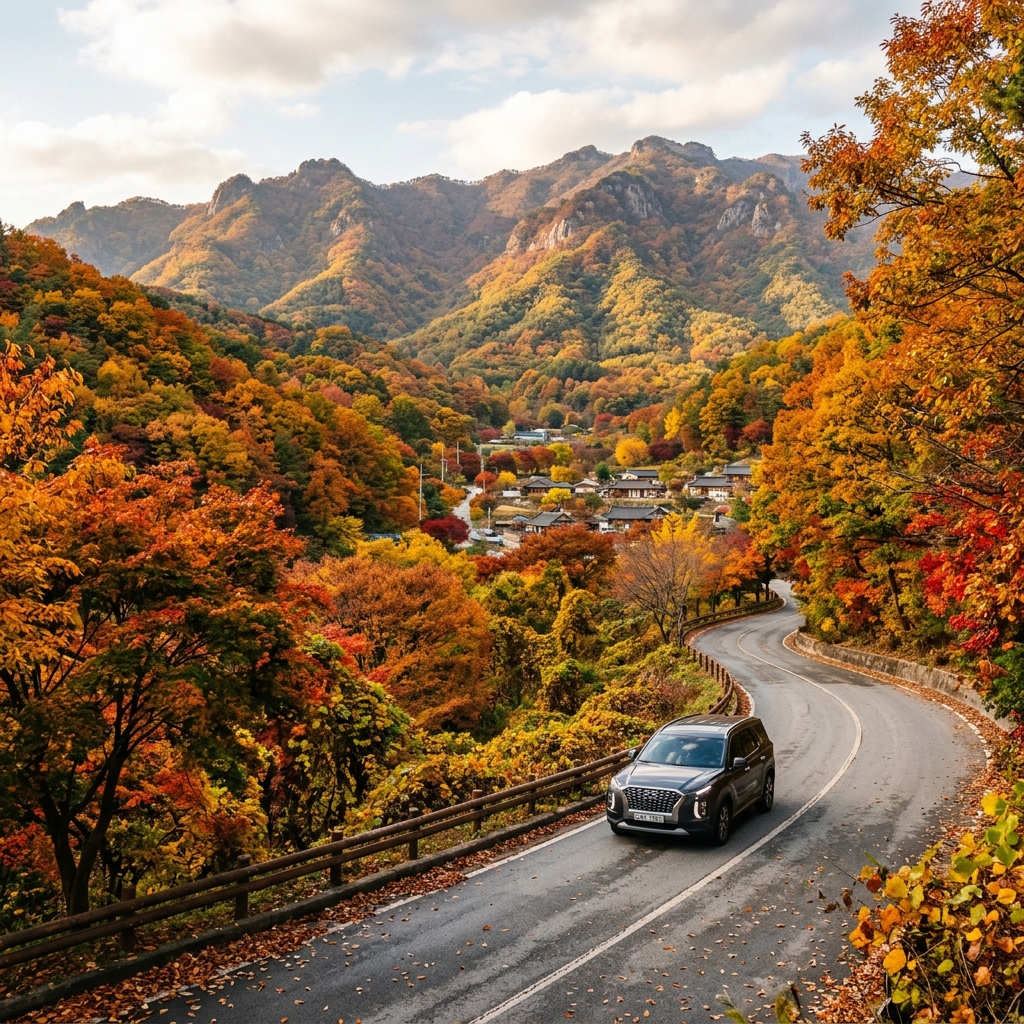
The best road trip in Korea is not always the fastest one. If you want a trip that feels slower, softer, and more restorative than a city hop, Gyeongsangbuk-do is where the countryside starts to do the heavy lifting. This is the part of Korea where historic cities, mountain valleys, coastal detours, and temple grounds sit close enough together that a self-drive route can feel both efficient and healing. Instead of rushing from landmark to landmark, you can build a day around quiet roads, lunch stops, autumn ginkgo tunnels, and a sunset walk beside the sea.

Countryside road in Gyeongbuk

Vegan and Vegetarian Eating in Japan: What's Actually Plant-Based

· 20 min read
Elena Vance
Editor-in-Chief & Logistics Expert

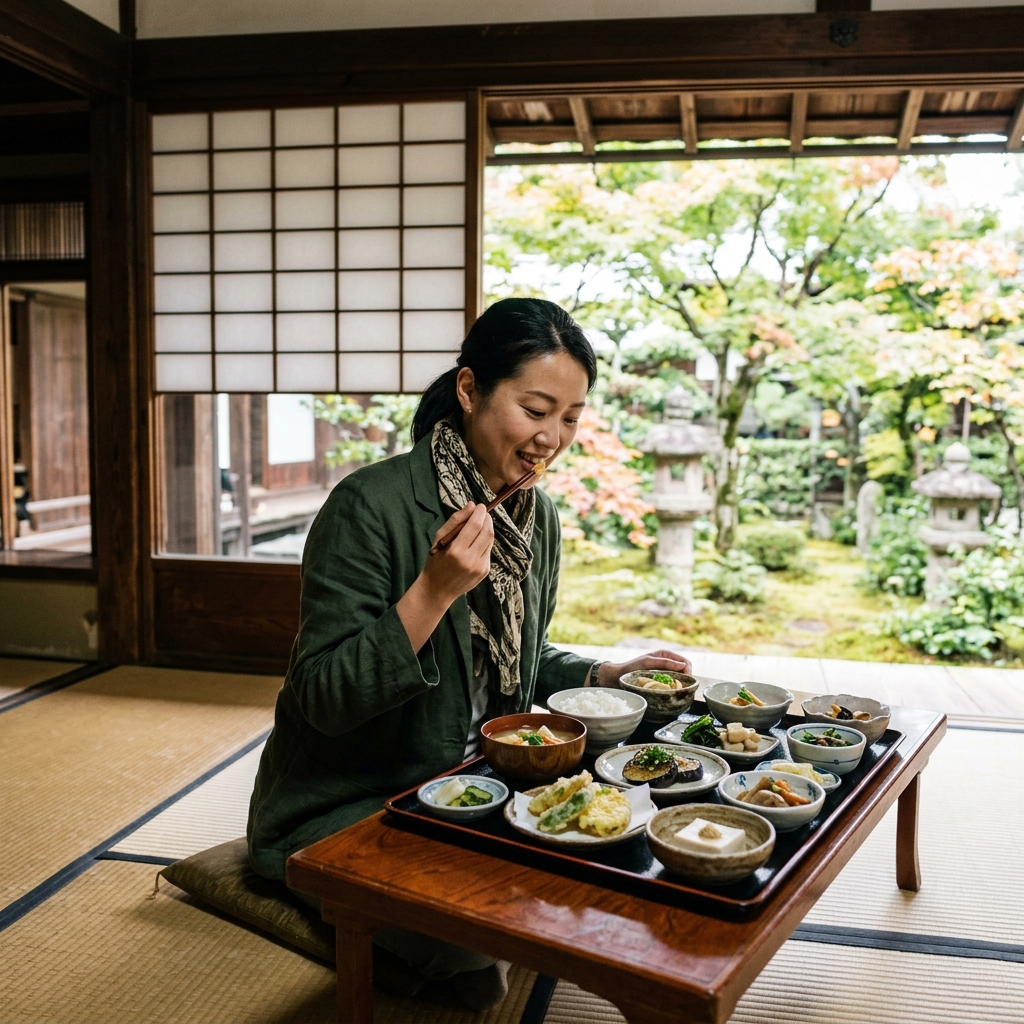
Japan is one of the easiest places to fall in love with and one of the easiest places to accidentally eat fish stock in something that looks completely harmless. A bowl of noodles can look plant-based and still hide bonito in the broth. A plate of curry can look safe and still contain meat extract in the roux. Even a simple-looking side dish can be seasoned with dashi, fish sauce, or oyster-based condiments that never appear on the menu. That is why so many first-time vegan and vegetarian travelers end up feeling like Japan is either impossible or exhausting.

The real story is better than that. Japan is absolutely doable for plant-based travelers if you understand how the cuisine works, what words matter, and where the safe pockets are. You do not need to give up on local food. You do need a better strategy than "I will just order the vegetable thing and hope for the best." This guide breaks down what actually counts as plant-based in Japan, where to eat with confidence, how to order without confusion, and what most travel guides miss.

A plant-based meal spread in Japan with tofu, rice, vegetables, and seasonal side dishes

Hanami Etiquette: How to Join a Cherry Blossom Picnic Like a Local

· 26 min read
Kai Miller
Cultural Explorer & Photographer

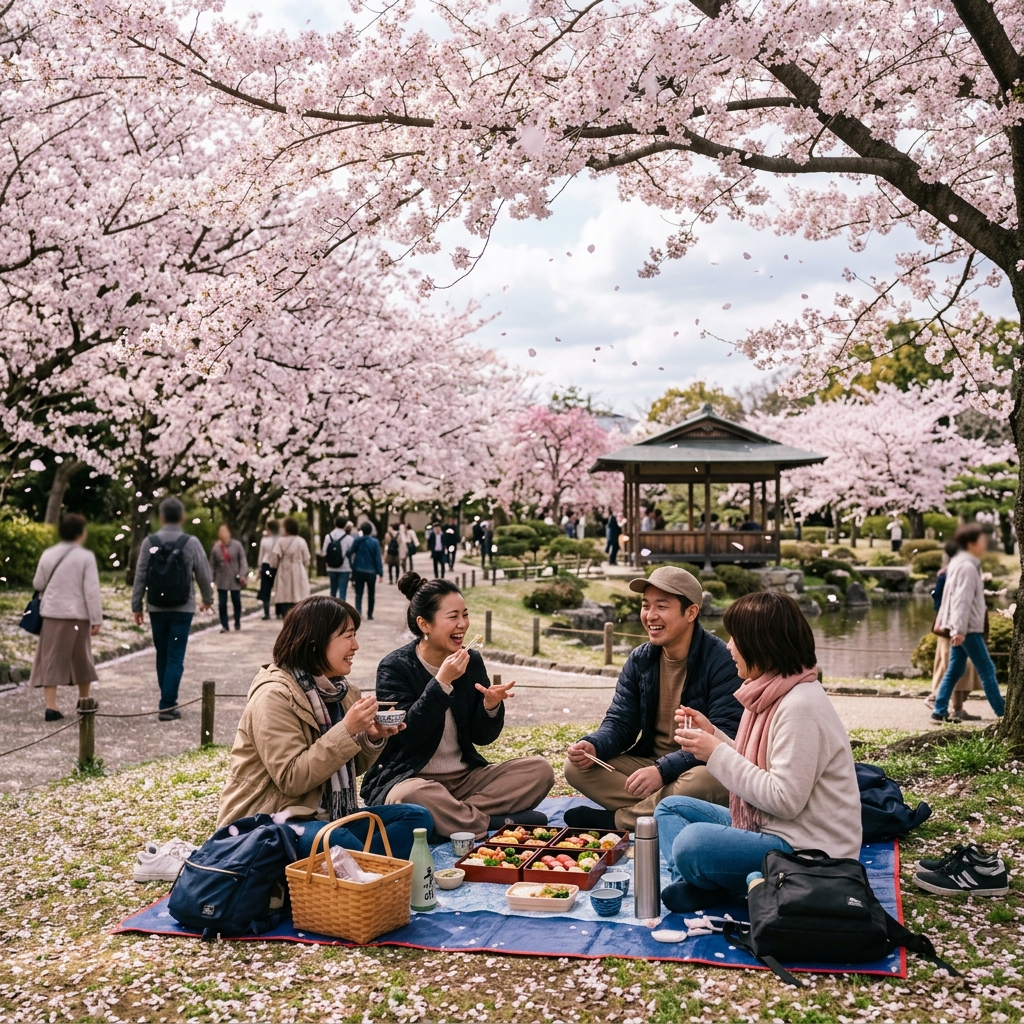
Hanami looks effortless from a distance: blue tarps under pink trees, friends laughing over convenience-store snacks, and rows of people enjoying spring as if they were born knowing exactly what to do. In reality, the calm scene is the result of a lot of quiet coordination. If you understand the rhythm, you can join a cherry blossom picnic without feeling like an intruder or slowing anyone down.

A cherry blossom picnic setup with a picnic mat under blooming sakura trees

Vegetarian Eating in China: Buddhist Cuisine & Plant-Based Options

· 19 min read
Kai Miller
Cultural Explorer & Photographer

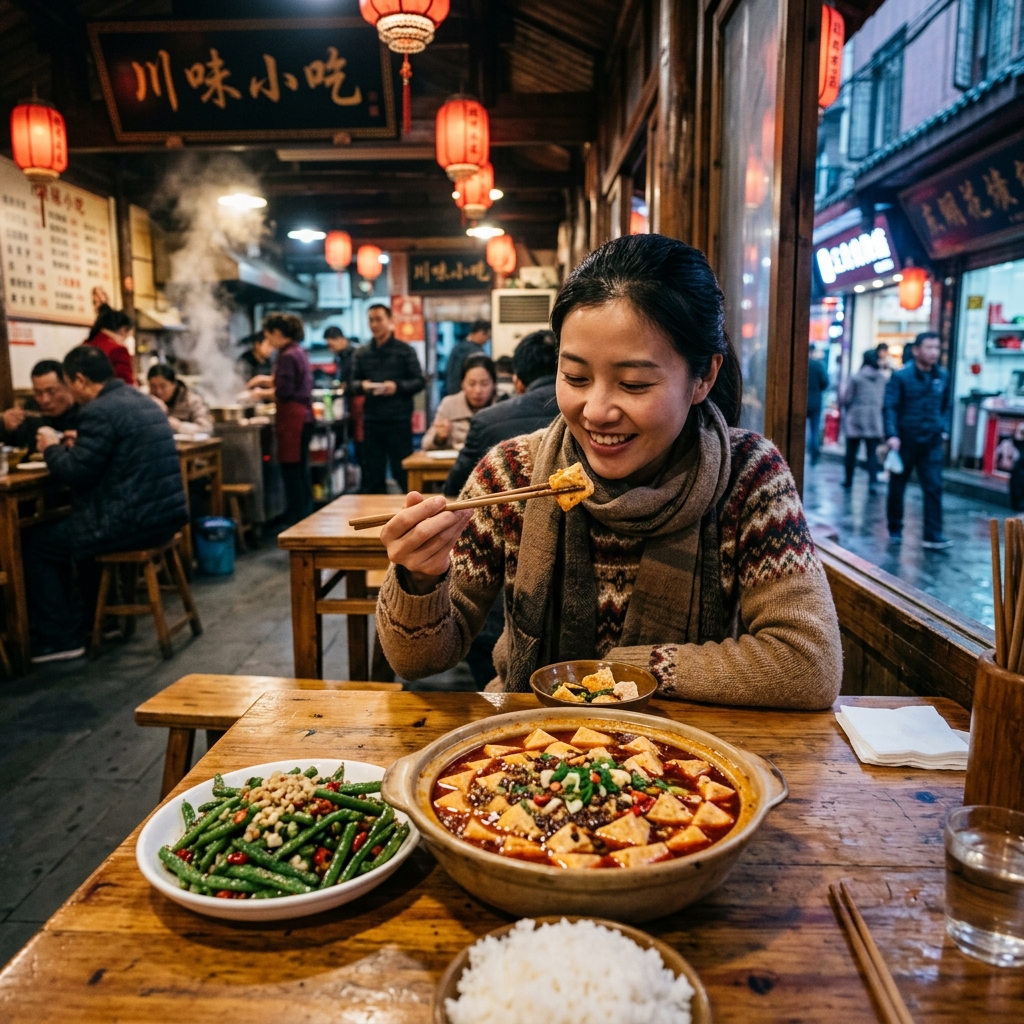
China can be an extremely easy country to eat in as a vegetarian, or an unexpectedly tricky one, depending on where you go and how you order. The good news is that Buddhist cuisine, temple-style meals, and a fast-growing plant-based restaurant scene make it possible to eat very well without giving up flavor, variety, or convenience. The catch is that "vegetarian" in China does not always mean what international travelers expect. Broth, oyster sauce, lard, fish sauce, egg, and alliums show up in more places than many first-time visitors realize.

If you are planning the broader trip at the same time, it helps to read China Travel Planning: Visa, WeChat Pay, High-Speed Rail & Practical Guide and China Tourist Visa Guide: Requirements, Process & Time to Apply before you lock in your route. If your trip also starts in Seoul, the Incheon Airport Survival Guide: From Landing to Seoul in 90 Minutes is useful for transfer-day logistics.

Vegetarian meal inspired by Buddhist cuisine in China

Family Travel and Multi-Gen Dynamics: What Chinese Hospitality Looks Like

· 20 min read
Kai Miller
Cultural Explorer & Photographer

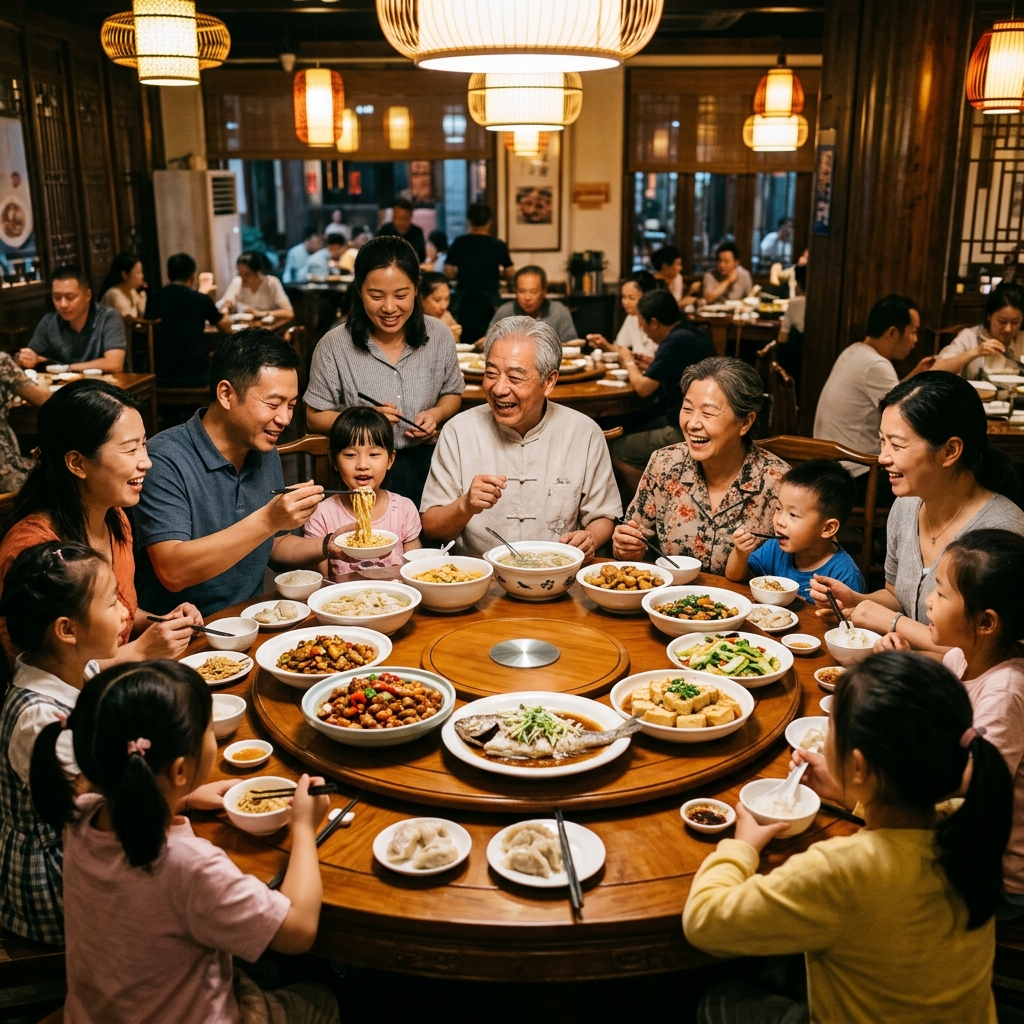
If you travel in China long enough, you start to notice that hospitality is not just service. It is a social language. Meals arrive in layers, children are folded into the center of attention, grandparents are treated as decision-makers, and hosts often seem to anticipate needs before anyone has said them out loud. For family travelers, especially those moving with parents, children, and older relatives at the same time, that can feel both generous and complicated. This guide explains how Chinese hospitality works in multigenerational settings, what it means for everyday travel decisions, and how to move through the experience without misunderstanding the local rhythm.

Family travel and multigenerational hospitality in China

Medical Tourism Visa and Insurance: Practical FAQ for Health Travelers to Korea

· 23 min read
Kai Miller
Cultural Explorer & Photographer

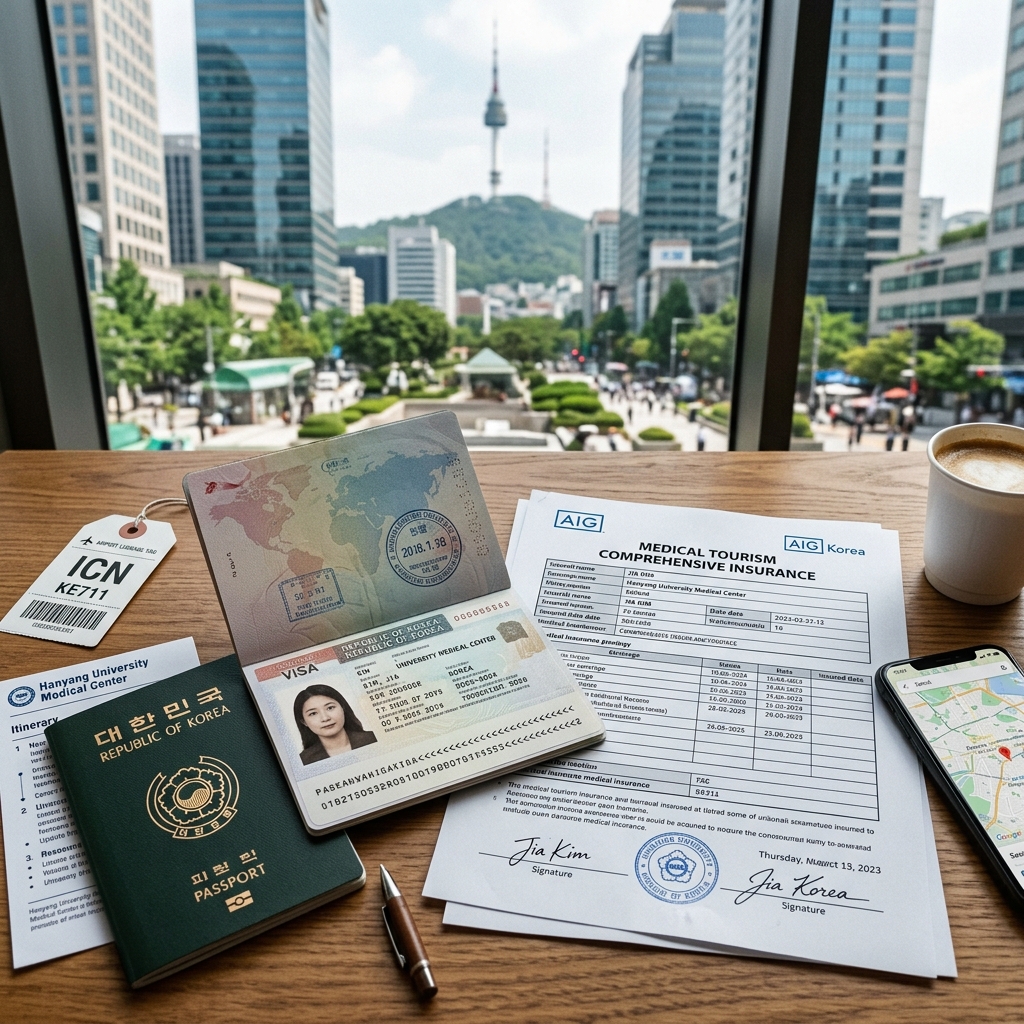
Medical travel in Korea sounds simple until you start matching the visa to the treatment, the insurance to the stay length, and the booking window to a clinic that may ask for medical records before it will even quote you properly. The biggest mistake travelers make is assuming one answer covers every case. It does not. A quick wellness visit, a cosmetic procedure, and a longer treatment plan can all point to different entry rules, different paperwork, and very different insurance expectations.

A calm, practical travel scene for a medical trip to Korea

Photography Rules in China: Museums, Military Zones & What to Avoid

· 19 min read
Kai Miller
Cultural Explorer & Photographer

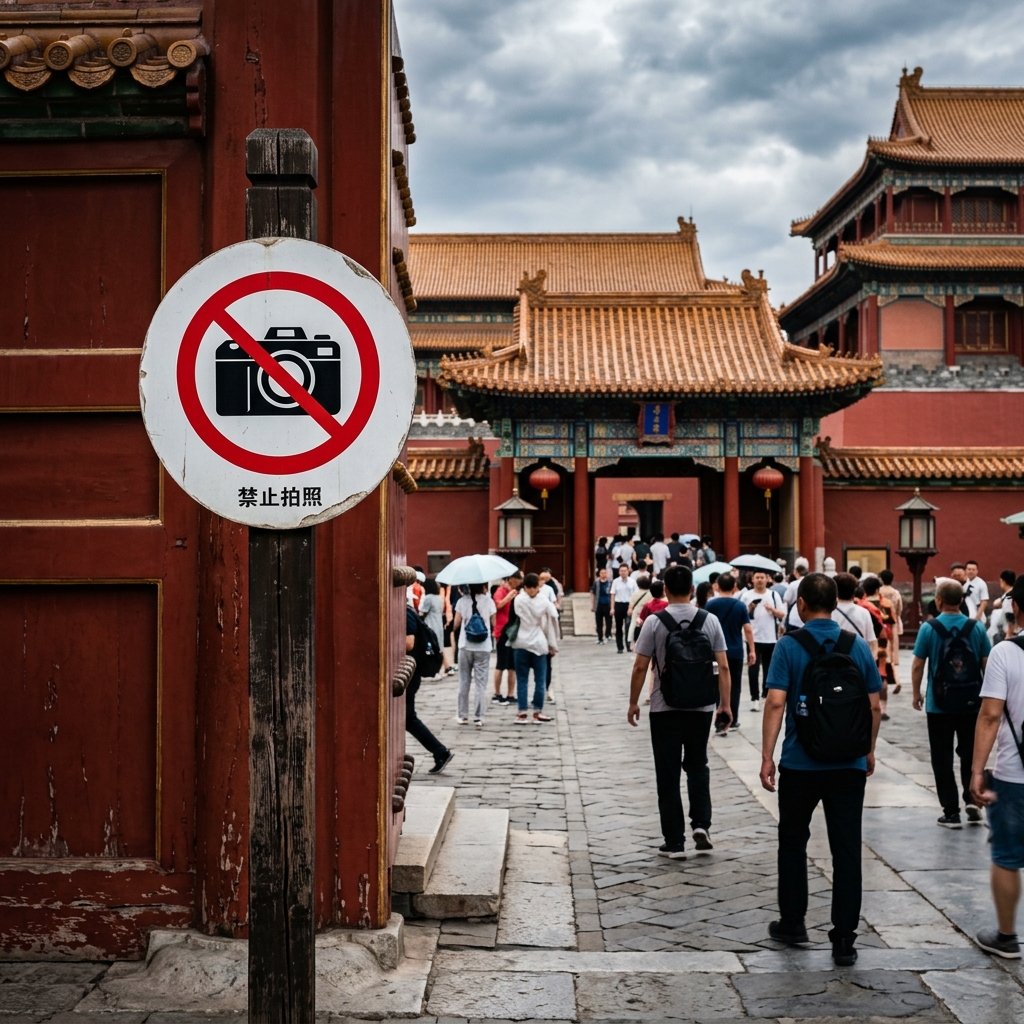
China is one of those destinations where a camera can help you tell the story of the trip, but it can also get you into trouble if you treat every scene like an open-air postcard. Most of the time, travelers can photograph streets, food, skyline views, markets, and public monuments without any issue. The risky part is knowing where the line changes: museums with room-by-room restrictions, military-adjacent areas, border zones, transport infrastructure, government sites, and anything clearly marked as restricted. This guide is for the moments when you are standing there with your phone in your hand and need to make the right call fast.

A practical travel scene showing a camera ready for use in a public place

Jeju Slow Travel Itinerary: Wellness, Nature & Mindful Exploration

· 17 min read
Kai Miller
Cultural Explorer & Photographer

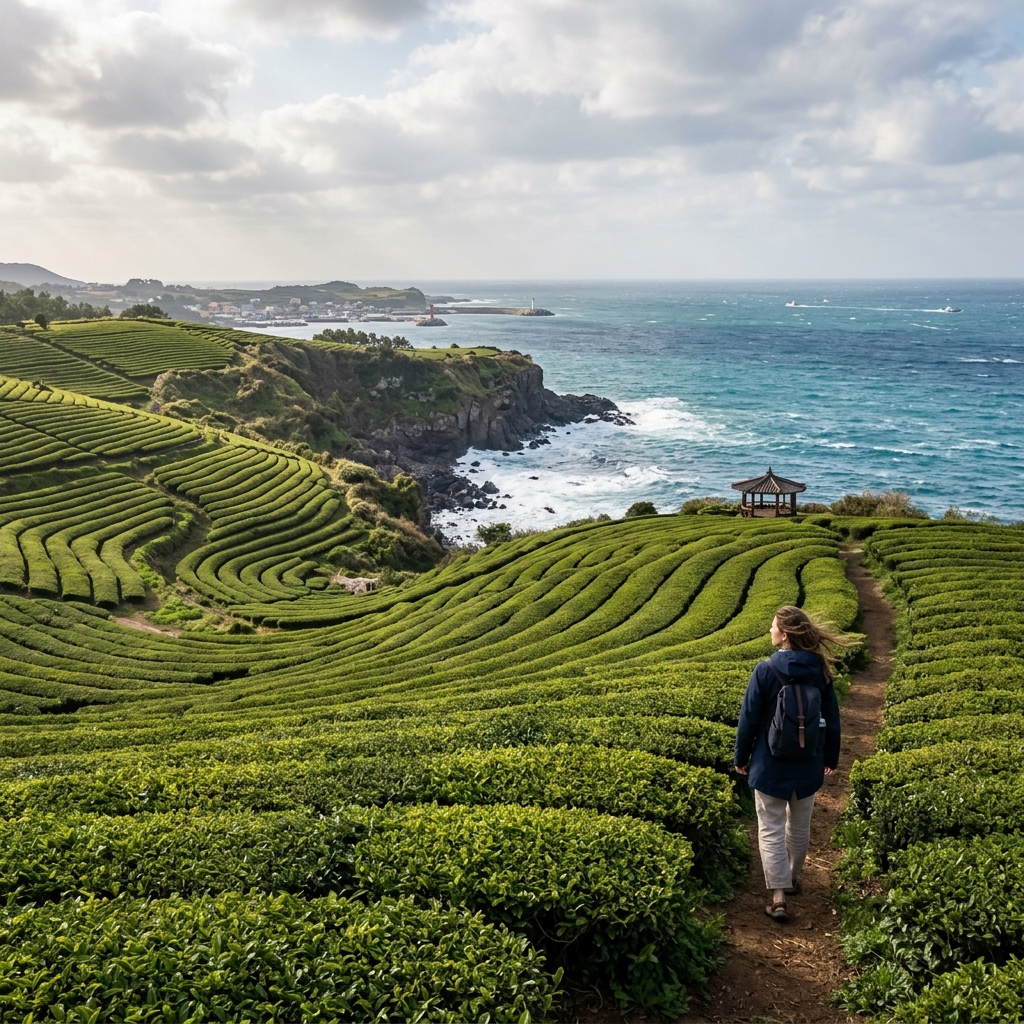
Jeju rewards the traveler who slows down. If you try to turn the island into a box-ticking race, you will spend more time in traffic, parking lots, and decision fatigue than you will in the actual places you came to see. But if you treat Jeju like a place to breathe, walk, sit, and eat well, it becomes one of the most restorative trips in Korea.

This itinerary is built for that version of the island. It favors tea fields over theme parks, forest paths over shopping detours, and a few well-chosen stops over the usual overstuffed list. If you want the classic road-trip version first, start with The Perfect 4-Day Jeju Island Road Trip (East, South, West); if you want the slower, more intentional version, keep reading.

Jeju slow travel itinerary with tea fields and coastal road

Street Food in Japan: Takoyaki, Crepes & Convenience Store Gems

· 21 min read
Kai Miller
Cultural Explorer & Photographer

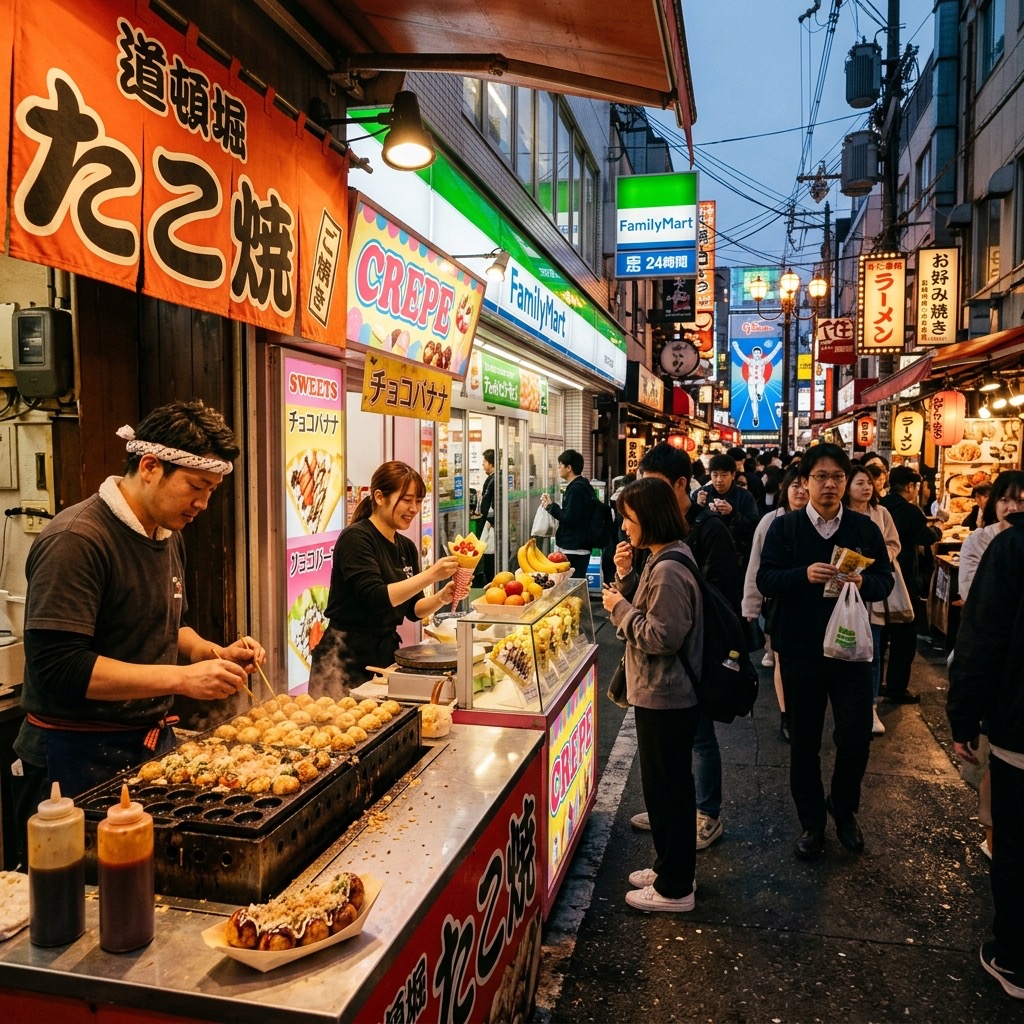
Japan is one of the easiest countries in the world to eat well without planning a formal meal. You can step out of a train station hungry, follow the smell of dashi or sugar in the air, and end up with something memorable within minutes. That is the appeal of Japanese street food: it is fast, regional, affordable, and tightly tied to the neighborhoods where you find it. If you are trying to decide what to eat first, where to look, and how to avoid wasting time on mediocre snacks, this guide breaks the whole scene into three parts that actually matter on the ground: takoyaki, crepes, and convenience store gems.

Takoyaki, crepes, and konbini snacks in Japan