Japanese Train Etiquette: Quiet Cars, Priority Seats & Phone Rules

· 21 min read

Kai Miller
Cultural Explorer & Photographer

Japanese train etiquette is one of those travel topics that feels simple until you are actually standing on a crowded platform, balancing luggage, checking your phone, and trying to figure out whether you should talk, eat, sit, or move. The good news is that the real rules are not mysterious. Once you understand the logic behind quiet cars, priority seats, and phone behavior, Japan’s rail system becomes much easier to use with confidence.
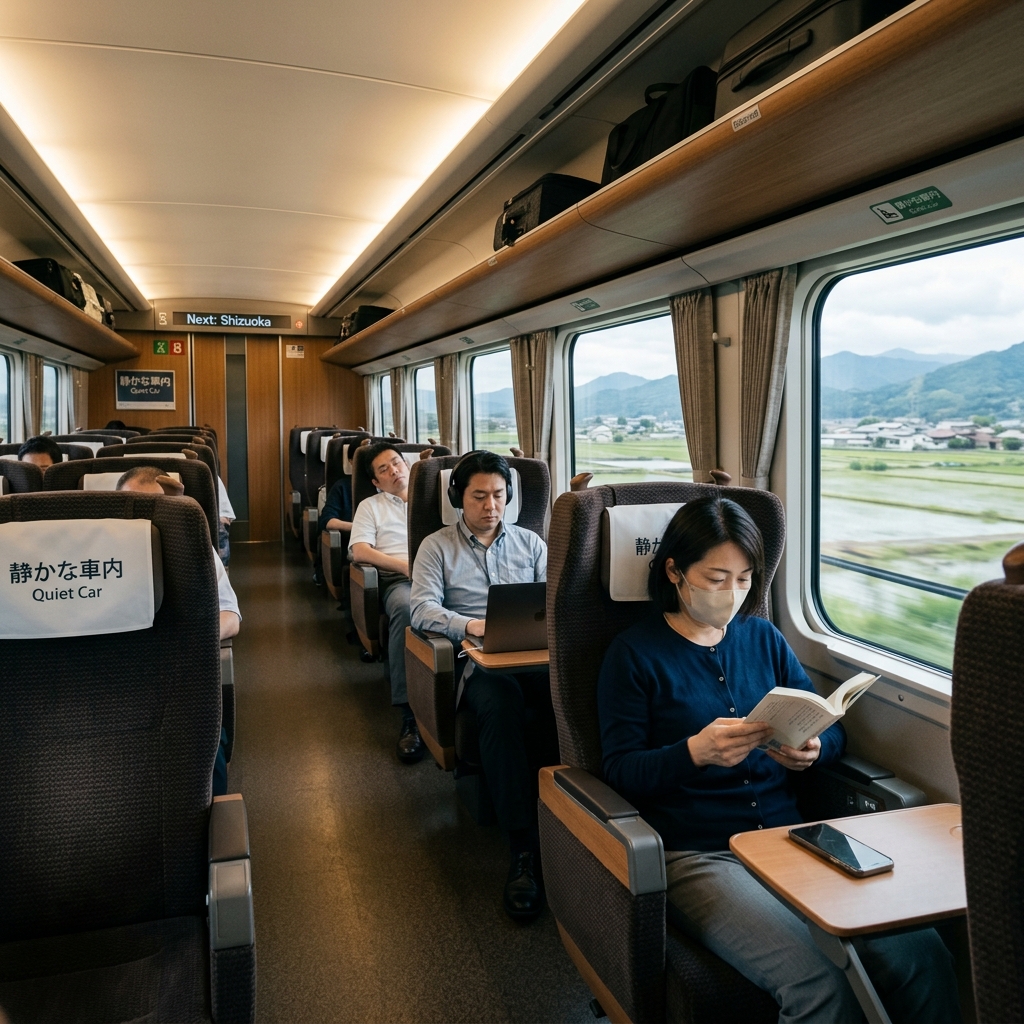

A modern Japanese train interior with priority seating, quiet signage, and a calm travel atmosphere

Tatami Room Etiquette: How to Sleep, Sit & Behave in a Japanese Inn

· 19 min read
Elena Vance
Editor-in-Chief & Logistics Expert

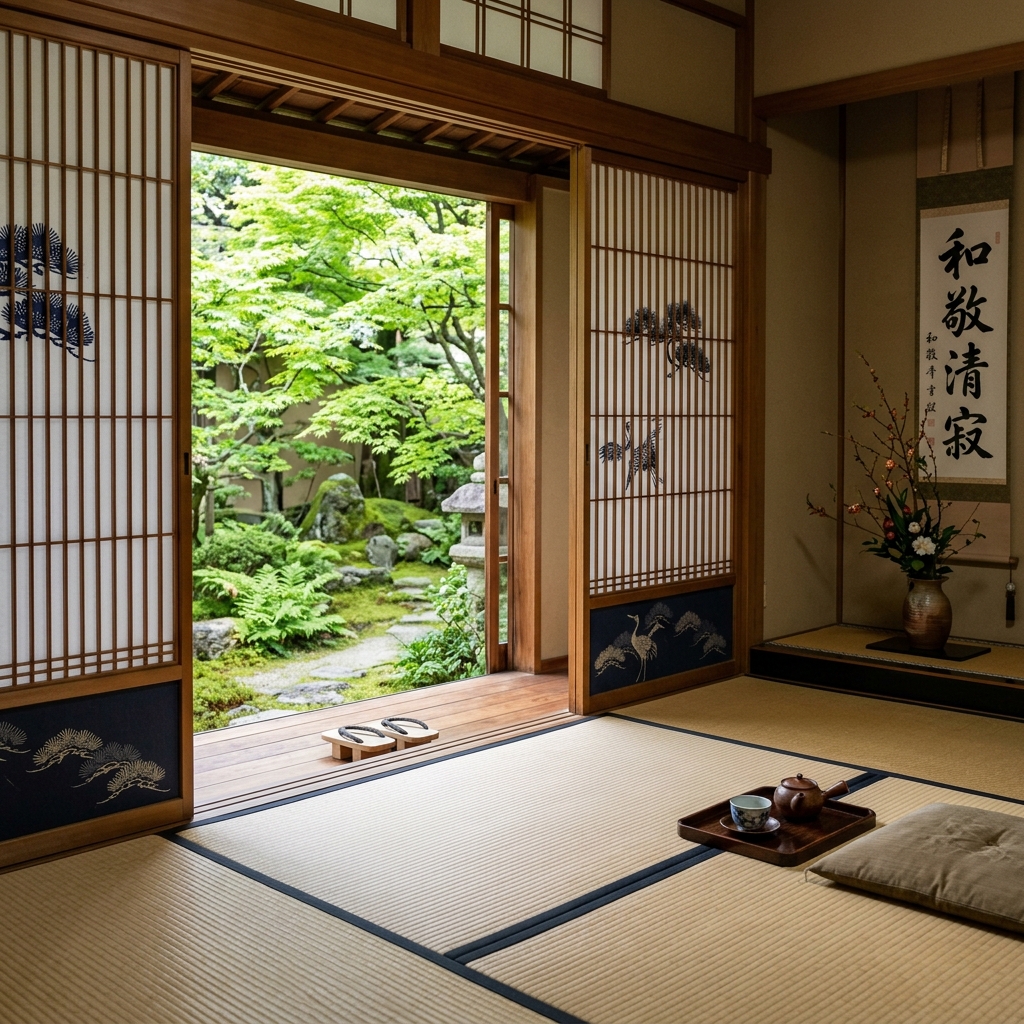
Stepping into a tatami room for the first time can feel like entering a space with invisible rules. The floor is beautiful, the air is quiet, and suddenly the ordinary habits of hotel life do not quite apply. If you want your ryokan or Japanese inn stay to feel relaxed instead of awkward, the key is learning a few simple habits before you arrive.

A calm tatami room interior with futon bedding and low furniture

Beijing Duck (Peking Duck): History, Where to Try & Proper Way to Eat

· 13 min read
Kai Miller
Cultural Explorer & Photographer

Introduction

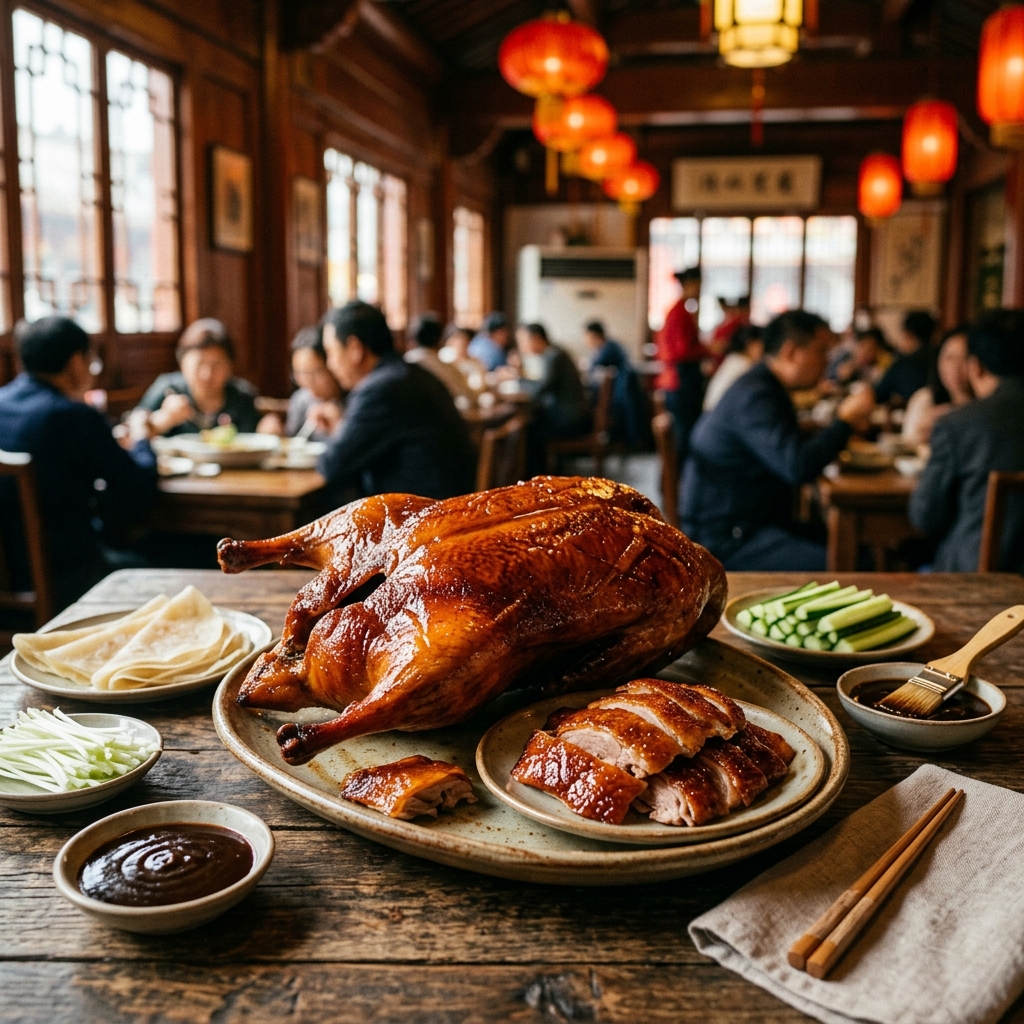
Imagine a dish so legendary it once graced imperial tables, a culinary masterpiece perfected over centuries, offering a symphony of textures and flavors in every bite. That, my friends, is Beijing Duck, often known as Peking Duck – a dish that transcends mere food to become an experience. But for first-time visitors to Beijing, the journey to finding, ordering, and properly enjoying this iconic dish can be as complex as the crispy skin itself.

This comprehensive guide will demystify Beijing Duck for you. We'll dive into its rich history, revealing how a humble duck dish evolved into a global culinary icon. You'll discover the top restaurants in Beijing, complete with 2026 pricing and booking tips, ensuring you avoid tourist traps and long queues. Most importantly, we'll walk you through the proper way to eat Beijing Duck, from carving to wrapping, so you can savor every nuance like a seasoned local. Get ready to embark on a delicious adventure that will elevate your Beijing travel experience.

A Beijing Duck (Peking Duck) scene

Archery Cafes in Seoul: Korea's Most Unique Recreation Trend

· 17 min read
Kai Miller
Cultural Explorer & Photographer

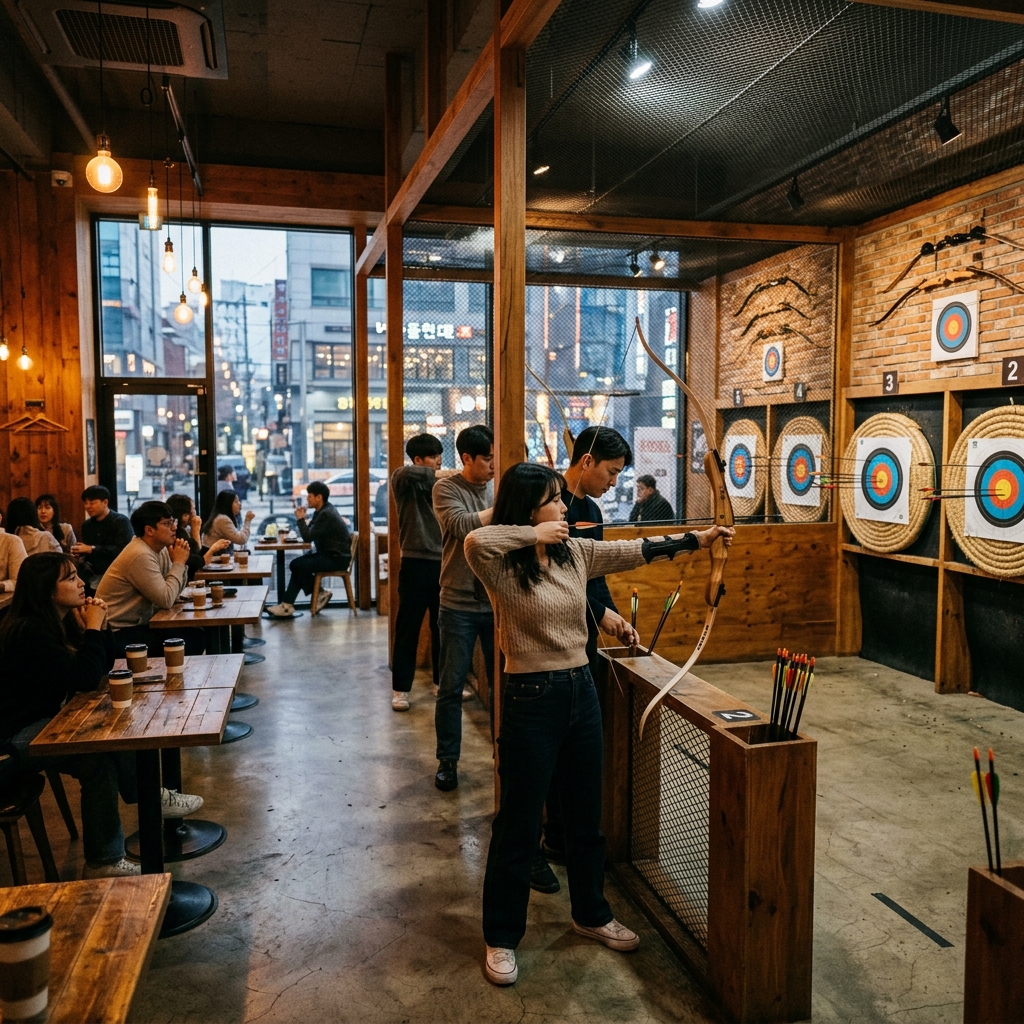
Seoul is full of things you can only really understand once you try them in person, and archery cafes are one of the best examples. They look unusual, sound a little niche, and then turn out to be exactly the kind of hands-on, low-pressure activity that makes a trip feel memorable. If you are looking for a Seoul experience that is not another shopping street, karaoke room, or standard coffee stop, archery cafes deliver a rare mix of novelty, focus, and fun.

Archery cafe in Seoul with indoor lanes and target boards

Public Behavior in China: Noise, Queuing & What's Considered Normal

· 21 min read
Kai Miller
Cultural Explorer & Photographer

Public behavior in China can feel confusing at first because the country is neither a free-for-all nor a place where everyone follows the same quiet, orderly script. What looks normal depends on the setting, the crowd, the city, and whether the people around you are in transit, eating, shopping, commuting, or trying to get somewhere fast. If you want to travel with less friction, the useful skill is not memorizing a rigid rulebook. It is learning how public space works in practice and adjusting your own pace to match it.

A busy street scene in China with travelers, commuters, and storefronts

Forest Healing Walks: Korea's Chonsong Healing Forest and Others

· 20 min read
Elena Vance
Editor-in-Chief & Logistics Expert

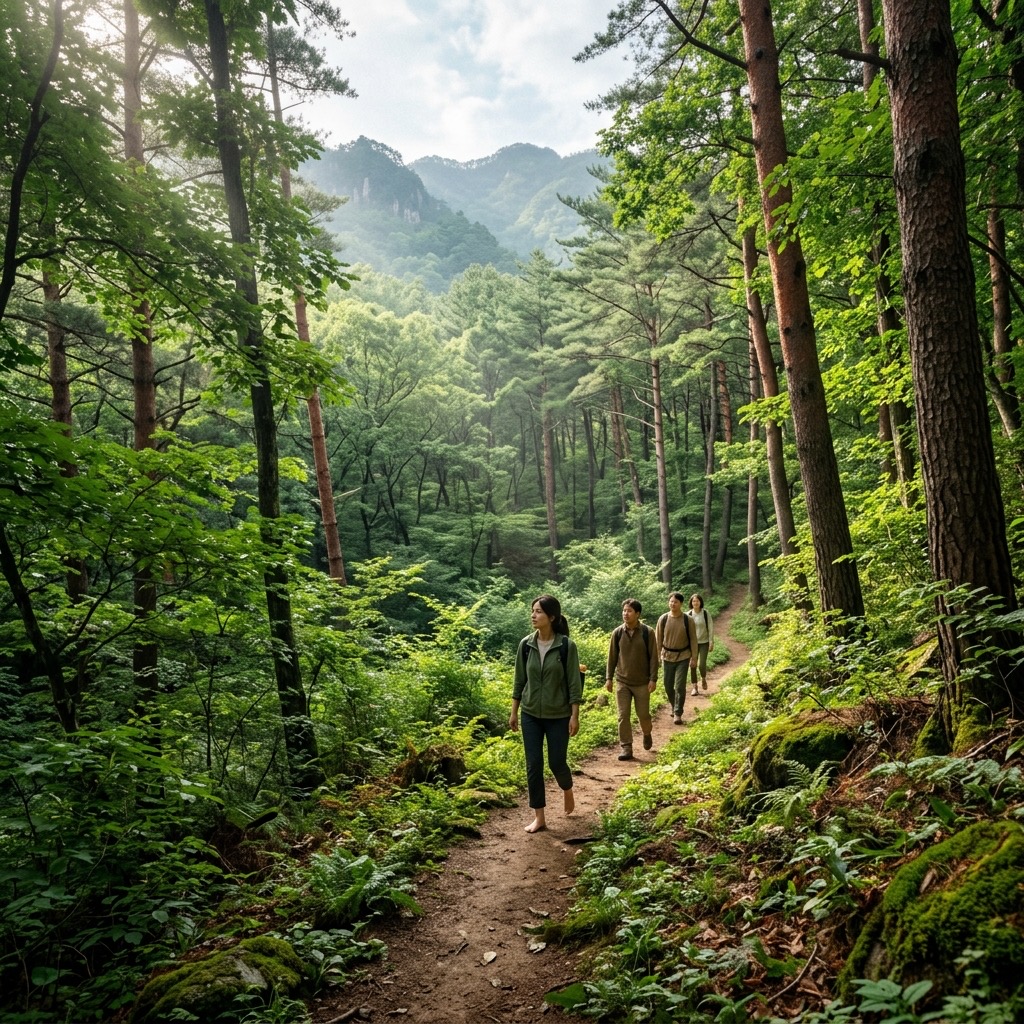
If your Korea trip needs one slow day that is not a temple stay, not a spa, and not another packed sightseeing loop, a forest healing walk is the cleanest reset you can give your itinerary. These places are built for breathing, listening, and moving at a human pace. The best versions are simple: a quiet path, a bit of shade, fresh air, and enough structure that you never wonder whether you are in the right place. In this guide, I’ll show you how Cheongsong is often used as the model for that kind of outing, what makes a forest healing walk different from a regular hike, and how to pick a trail that actually leaves you calmer instead of more exhausted.

A quiet forest path in Korea with soft light and tall trees

Unique Things to Do in Korea Beyond the Tourist Trail

· 21 min read
Kai Miller
Cultural Explorer & Photographer

Most first-time visitors to Korea follow the same well-worn loop: palaces, shopping streets, a few skyline photos, maybe a night market, and then the trip ends before the country has really had a chance to introduce itself. That itinerary is not wrong, but it is incomplete. The Korea that locals actually remember is often quieter, more tactile, and more specific: sleeping in a temple compound, learning how tea is poured in a hanok, making makgeolli with a brewer, or wandering a back alley in Euljiro after the office crowd has gone home.

If you want a trip that feels less like a checklist and more like a conversation, the best move is to build around experiences rather than landmarks. In this guide, I will show you how to do that with a mix of overnight stays, hands-on culture, low-key neighborhoods, and practical planning advice. You will also get a few bookable options, realistic price expectations, and the small details that most standard guides leave out.

Korea beyond the tourist trail

Japan's Best Nature Spots: Mountains, Forests & Coastal Views Guide

· 21 min read
Elena Vance
Editor-in-Chief & Logistics Expert

Japan can feel overwhelming if you only know it through city icons: Shibuya crossings, neon streets, ramen counters, and bullet trains. The country is just as compelling when you leave the urban core and start chasing ridgelines, cedar forests, sandbars, cliffs, and quiet coastal walks. If you want a trip that feels restorative instead of crowded, this guide will help you choose the right kind of nature for your pace, budget, and season.

If you're still stitching the rest of the trip together, start with our Japan Travel Planning: Visa, IC Card, Rail Pass & Essential Logistics Guide, then check the Japan Visa Guide for Korean, US & European Travelers: Requirements by Nationality, and pack from the Japan Packing List: What to Bring for a Stress-Free Trip.

Japan nature landscape with mountains, forest, and coastal views

China's Natural Wonders: Zhangjiajie, Li River & UNESCO Nature Sites

· 14 min read
Kai Miller
Cultural Explorer & Photographer

China is home to some of the most spectacular landscapes on Earth, ranging from the misty karst peaks of Guilin to the towering sandstone pillars of Zhangjiajie. For travelers seeking nature's raw beauty, these UNESCO World Heritage sites offer an experience unlike anywhere else. Whether you are floating down the Li River or walking across a glass bridge thousands of feet in the air, China's natural wonders are both humbling and exhilarating. In this guide, we provide everything you need to plan your visit to these iconic destinations in 2026.

Conveyor Belt Sushi (Kaitenzushi) Guide: Best Chains and Tips

· 15 min read
Kai Miller
Cultural Explorer & Photographer

For many travelers visiting Japan, eating at a conveyor belt sushi restaurant isn't just a meal—it's an essential cultural experience. Imagine a brightly lit, high-energy dining room where plates of fresh nigiri, hot bowls of ramen, and even slices of cheesecake glide past your table on an automated belt. It is fast, incredibly affordable, and remarkably fun. However, if you have never been to one, the digital kiosks, automated delivery lanes, and unwritten rules of kaitenzushi (回転寿司) can feel a bit overwhelming.