Best Co-working Spaces in Seoul: Full Reviews for Remote Workers

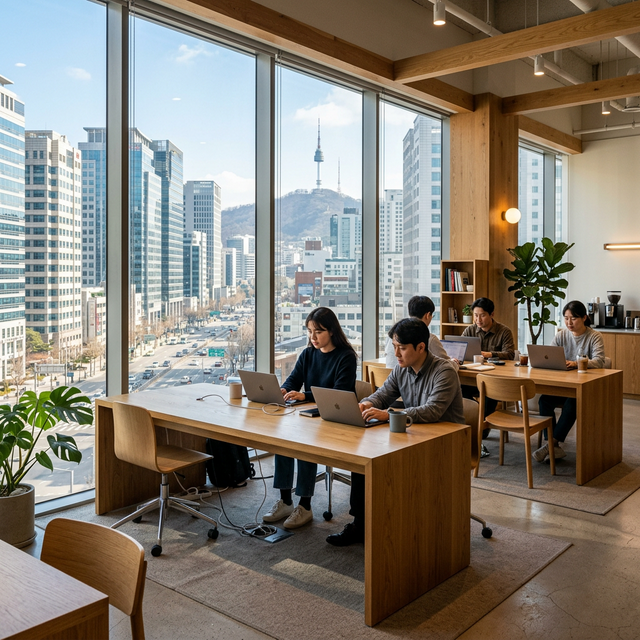
Seoul has rapidly transformed into a premier global destination for digital nomads, blending ultra-fast gigabit internet with a vibrant 24-hour culture that makes it the perfect playground for remote professionals. Whether you are a solo freelancer looking for a social community in Hongdae or a tech founder needing a professional base in Gangnam, choosing the right workspace is the single most important decision for your productivity and sanity in the Korean capital.
Quick Navigation
- Part of the [Digital Nomad & Long-Stay in Korea] series.
- Related: Digital Nomad Guide to South Korea
Introduction: Why Seoul is a Remote Work Paradise
For years, the digital nomad trail was paved with tropical beaches and low-cost hubs like Chiang Mai or Bali. However, 2026 marks a shift in the nomad landscape. Today’s remote worker is increasingly looking for "hard" infrastructure: stable power, secure high-speed Wi-Fi, and a safe, efficient urban environment. Seoul offers all of this in spades, along with a newly launched Digital Nomad Visa (also known as the Workation Visa) that allows for stays of up to two years.
But working from a tiny "goshiwon" (mini-room) or a cramped Airbnb isn't sustainable. To truly tap into the energy of this city, you need a dedicated workspace. In this guide, we’ve personally vetted and reviewed the best co-working spaces across Seoul—from the massive corporate giants to the cozy, boutique community hubs.
If you're just starting your planning, don't miss our Ultimate 10-Day Korea Itinerary to see how to balance your work and travel blocks.
What Makes a "Best" Co-working Space in Seoul?
Before diving into the reviews, it’s important to understand the criteria we used. Seoul’s work culture is intense, and the "Pali-Pali" (hurry-hurry) mindset extends to its workspaces. Here is what we looked for:
1. Connectivity and Speed
In Korea, "slow" internet is still faster than most of the world. However, a great co-working space should provide symmetric gigabit speeds and, crucially, a reliable backup line. We also looked for spaces that offer ethernet ports for those doing heavy video editing or streaming. In 2026, 5G integration within the workspace is also a key factor we considered for ultra-low latency.
2. 24/7 Access and Global Timezones
If you are working for a company in London or New York, the time difference is your biggest hurdle. Many Korean spaces close at 6:00 PM or 10:00 PM. For nomads, 24/7 access is a non-negotiable requirement. We prioritized spaces that offer secure, keycard-based entry at all hours, ensuring you aren't left stranded at 3:00 AM during a critical board meeting in another timezone.
3. Community and Language Support
Many local spaces cater exclusively to Korean startups. While the facilities are great, the social barrier can be high. We prioritized spaces that have English-speaking staff, English-language apps for booking, and a diverse international community. A space that hosts regular networking events, language exchanges, or "welcome drinks" is worth its weight in gold for a newcomer.
4. Perks: Beyond the Basic Desk
In a city where a high-quality latte can cost ₩6,500, free-flowing premium beans are a significant budget saver. We also looked for ergonomic chairs (Herman Miller or Sidiz are the local gold standards), private phone booths with acoustic dampening, and modern shower facilities for those pulling all-nighter or coming straight from a red-eye flight at Incheon.
The "Big Players": Reliability and Scale
If you want a consistent experience where everything "just works," the major Korean and global chains are your best bet. These companies have the scale to offer premium amenities that smaller boutiques simply cannot match.
FastFive: The Local Champion
FastFive is the undisputed king of Korean co-working. With over 40 locations in Seoul alone, they have mastered the local market. They are the "safe choice" for those who want a professional, corporate-yet-cool environment.
- The Vibe: Sleek, high-tech, and distinctly Korean. You’ll be surrounded by local entrepreneurs, e-commerce giants, and small marketing agencies.
- Best Locations:
- FastFive Hongdae: Perfectly positioned for those who want to blend work with the creative nightlife of the university district.
- FastFive Gangnam (Station Branch): Massive, multi-floor space with incredible tech infrastructure.
- FastFive Seoul Station: Ideal for those who travel frequently to other cities like Busan via KTX.
- Pros: Incredible reliability, the best "Cereal Bars" in the industry (unlimited milk and high-quality snacks), and very fast response times for maintenance.
- Cons: Most of their administrative interface (app/billing) is in Korean. While they are improving their English support in 2026, you may still need a local friend to help with the initial contract.
- Pricing: Monthly hot desks start around ₩300,000–₩380,000 depending on the location.
WeWork Seoul: The Global Networking Powerhouse
WeWork remains a favorite for international nomads because of the familiarity, the English-first interface, and the "All Access" pass which allows you to work from any of their 15+ Seoul locations.
- The Vibe: Modern, vibrant, and loud. It feels exactly like a WeWork in San Francisco or London, which is comforting for many.
- Best Locations:
- WeWork Euljiro: Located in the heart of the business district, this branch offers some of the most stunning views of Namsan Tower and the historic city center.
- WeWork Gangnam Station: The social hub. If you want to network with international teams, this is the place.
- WeWork Sinsa: A smaller, more boutique feel in the trendy Garosu-gil area.
- Pros: The easiest entry for English speakers. The networking events are frequent and often cater to a global audience. The "All Access" membership is perfect for "neighborhood hopping."
- Cons: Often the most expensive option in the city. The lounges can get very crowded during peak hours (1:00 PM – 4:00 PM).
- Pricing: All Access starts around ₩149,000/month, but dedicated desks in prime Gangnam spots can exceed ₩550,000.
Digital Nomad Favorites: Community & Lifestyle
If you’re looking to make friends and find a community that understands the nomad life, these spaces are the real winners.
Hoppin House (Hongdae)
Hoppin House is widely regarded as the spiritual heart of the international nomad scene in Seoul. It’s not just a place to work; it’s a community platform.
- The Location: Tucked away in a quiet street near the bustling Hongik University area.
- The Experience: They offer a coworking-coliving model. The owner is a veteran nomad who has designed the space specifically for travelers.
- Community Events: They host weekly community dinners, weekend "hiking and makgeolli" trips, and workshops on navigating Korean life.
- Why we love it: It is truly 24/7. It feels more like a shared living room with professional desks than a corporate office. It is the best place to find a travel partner or a collaborator for your next project.
- Pricing: Day passes are ₩15,000. Monthly rates are very nomad-friendly with no long-term commitments required.
Local Stitch (Creator Town Seogyo)
Local Stitch has redefined "Work-Life Integration." Their Creator Town Seogyo location is a massive "Lifestyle Hub" that is practically a city within a city.
- The Concept: It combines a designer hotel, long-term studio apartments, a bakery, a bookstore, and multiple floors of diverse co-working lounges.
- The Interior: High ceilings, industrial concrete, and warm wood accents. It’s a designer’s dream.
- The "Lounge Hopping" Perk: A Local Stitch membership gives you access to all 20+ of their "lounge" locations across Seoul. One day you can work from the historic alleys of Euljiro, and the next, the trendy cafes of Yeonnam-dong.
- Internal Link: For a deeper look at the neighborhoods where these spaces are located, see our Seoul Neighborhood Guide.
The "Study Cafe" Phenomenon: A Unique Korean Option
If you don't need the networking of a co-working space and just need a quiet, hyper-focused environment for a few hours, you must try a Study Cafe (Sut-ka).
What are they?
Unlike Western cafes, these are unmanned, 24-hour libraries designed for students and professionals. You book a seat at a kiosk at the door, pay by the hour (usually ₩2,000 - ₩3,000), and enter a world of absolute silence.
Why use them?
- Cost: They are the cheapest way to get a professional desk and fast Wi-Fi.
- Availability: They are on almost every street corner in residential areas like Mapo, Mok-dong, and Gangnam.
- Atmosphere: If you have a deadline and need zero distractions, the silence of a Study Cafe is unmatched.
- The "Cafe" Zone: Most have a separate area with free coffee, tea, and sometimes even a printer and laptop rentals.
Innovation & Social Impact Hubs
Heyground (Seongsu & Seoul Forest)
Seongsu-dong is Seoul's "Brooklyn," and Heyground is where the district's creative energy is concentrated.
- The Mission: Heyground is a hub for social entrepreneurs and "change-makers." You’ll be surrounded by people building eco-friendly brands, educational platforms, and social enterprises.
- The Architecture: The Seoul Forest location features an incredible rooftop terrace and floor-to-ceiling windows overlooking one of the city's largest parks.
- The Facilities: Some of the best meeting rooms in the city, equipped with top-tier AV gear for podcasting or video calls.
- Pricing: Generally more affordable than WeWork, but they prefer members who align with their social-impact mission.
Google for Startups Campus (Gangnam)
This is the "Ivory Tower" of the Seoul startup scene. Located in Autoway Tower near Samseong Station, it’s a prestigious base for tech-focused nomads.
- The Membership: You apply for a free membership via their website. If accepted, you can use the "Campus Café" for free.
- Networking: It is the best place in Korea to meet venture capitalists, Google developers, and high-level tech founders.
- The Limitations: It is not 24/7 (9:00 AM – 5:00 PM) and often feels more like a temporary lounge than a permanent office. Use it for networking days rather than your daily grind.
The Boutique Experience: Hidden Gems
ECS153 (Gangnam Finance Center)
If you want the hospitality of a 5-star hotel combined with a workspace, ECS153 is the answer.
- Target Audience: High-net-worth nomads, consultants, and expats who want a premium, quiet environment.
- Perks: Complimentary daily breakfast, afternoon tea, and a "concierge" service that can help with everything from restaurant reservations to dry cleaning.
- Vibe: Extremely quiet and exclusive. It’s located in the Gangnam Finance Center, one of the most iconic skyscrapers in the city.
Blue Pebbles (Hongdae)
A creative-focused boutique space that feels like a cross between a library and a high-end cafe.
- Specialty: They focus heavily on language exchange. If you want to practice your Korean while you work, this is a fantastic bridge between cultures.
- Design: Eco-friendly materials and lots of natural plants. It’s one of the few spaces that doesn't feel like an "office."
Budget-Friendly & Government Resources
Seoul's commitment to becoming a global startup hub means there are several free or heavily subsidized options.
Seoul Startup Hub (Mapo)
Located in Gongdeok, this massive 10-story building is the world's largest startup incubator.
- Public Access: The 1st and 2nd floors are free for anyone to use. They have high-speed Wi-Fi, plenty of power outlets, and a very futuristic "scifi" design.
- The Kitchen: Don't miss the 3rd-floor "Kitchen Incubator" where you can eat experimental dishes from new chefs for as little as ₩6,000.
- The Nap Pods: On the upper floors, there are dedicated nap zones—a lifesaver if you're working a night shift for a US-based client.
Global Village Centers (Itaewon, Mapo, Gangnam)
These centers are run by the Seoul Metropolitan Government to assist foreign residents. Most offer small, quiet workspaces with free Wi-Fi. While not as "cool" as a co-working space, they are incredibly helpful for administrative tasks or when you need a quiet place to handle sensitive paperwork.
Navigating the Digital Nomad Visa in 2026
To work legally from these spaces long-term, you’ll want to look into the Workation Visa (F-1-D). This visa was specifically designed to attract high-earning remote workers.
- Duration: 1 year, extendable for another year.
- Key Requirement: An annual income of roughly ₩85,000,000 (equivalent to twice Korea's GNI per capita).
- Benefits: You can bring your family, and you are exempt from certain local taxes if your income is sourced entirely from abroad.
- Internal Link: For a full step-by-step breakdown of the paperwork, see our 2026 Digital Nomad Visa Guide.
If you don't meet the income threshold, don't worry—most digital nomads still enter on a K-ETA (for most Western countries) which allows for 90 days of stay. Just remember that you cannot work for a Korean company on a tourist entry.
Comparison Table: Seoul Co-working at a Glance (2026)
| Space Name | Primary Neighborhood | Access | Monthly (Est.) | Best For... |
|---|---|---|---|---|
| Hoppin House | Hongdae | 24/7 | ₩250,000 | Community & Solo Travelers |
| FastFive | Citywide (40+) | 24/7 | ₩350,000 | Professionalism & Perks |
| WeWork | Gangnam/Euljiro | 24/7 | ₩149,000* | Global Networking |
| Local Stitch | Seogyo/Yeonnam | 24/7 | ₩300,000 | Coliving & Creators |
| Heyground | Seongsu | 24/7 | ₩400,000 | Social Impact & Focus |
| Seoul Startup Hub | Mapo | 9am - 9pm | Free | Budget-Conscious |
| ECS153 | Gangnam | 24/7 | ₩600,000+ | Luxury & Privacy |
*WeWork All Access base rate. Dedicated desks are significantly higher.
Practical Advice: Surviving and Thriving as a Nomad in Seoul
1. The "Lunch Rush" Strategy
Most Korean offices break for lunch between 11:30 AM and 12:30 PM. Co-working kitchens and surrounding restaurants will be slammed. We recommend working through the rush and taking your lunch at 1:30 PM for a much calmer experience.
2. Monitor Air Quality
Seoul's air quality can fluctuate, especially in the spring. Most high-end co-working spaces (like Heyground and FastFive) have massive, industrial-grade air purification systems. If you have asthma or are sensitive to dust, these spaces are much safer than working from an outdoor-facing cafe.
3. Noise and Etiquette
In Korea, "silent" means silent. If you are in a quiet zone, even the sound of a mechanical keyboard can be a point of contention. We recommend using a silent mouse and a quiet keyboard (like the Logitech MX Keys) if you want to stay on good terms with your desk-mates.
4. Weekend Escapes
Working hard in Seoul is rewarding, but don't forget to recharge. Use the weekends to take the KTX to Busan (the "Miami of Korea") or fly to Jeju Island for a few days of coastal workation. Both cities have a growing co-working scene that is slightly more relaxed than Seoul. Related: Exploring Busan: A Complete Guide
Conclusion: Finding Your Workspace in the City
Seoul is a dynamic metropolis that rewards remote workers who dive into its unique rhythm headfirst. Whether you opt for the community-driven creative chaos of Hoppin House, the all-in-one designer luxury of Local Stitch, or the sleek corporate efficiency of FastFive, you are securing a spot in one of the world's most impressive remote work ecosystems.
My overarching recommendation for newcomers? Don't lock into a rigid monthly membership on day one. Spend your first week testing the waters—buy day passes across diverse neighborhoods like Hongdae, Gangnam, and Seongsu. Along your journey to find the perfect dedicated desk, you might also find value in mixing things up by visiting some of the best laptop-friendly cafes in Seoul for a more casual working environment.
Ultimately, establishing your professional base goes hand-in-hand with setting up your daily life; don't forget to navigate the practical steps of opening a local bank account to pay for memberships and using our overarching digital nomad guide to South Korea to master your long-term transition.
About the Author: Kai Miller is a cultural explorer and photographer who has been living as a digital nomad in Seoul for three years. He has worked from over 50 different cafes and co-working spaces across the city and is a frequent contributor to international nomad forums.