Best Neighborhoods in Seoul for Expats: From Itaewon to Mapo

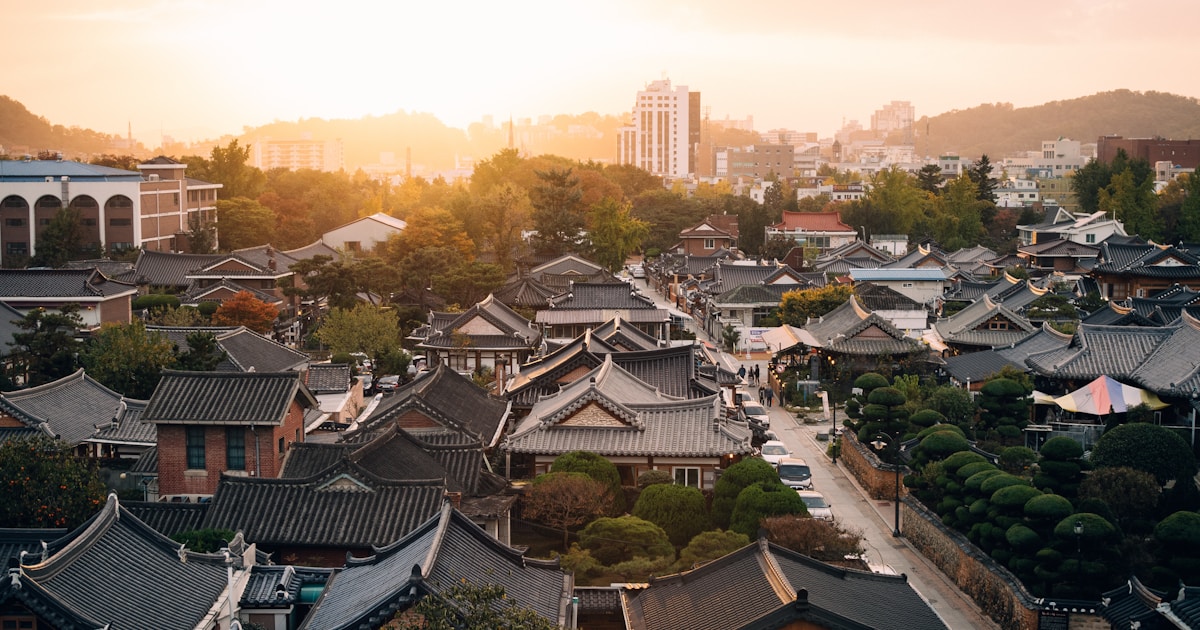
Seoul is a city of layers—a sprawling metropolis where 600-year-old palaces sit in the shadow of glass-and-steel skyscrapers, and where quiet, winding alleyways lead to some of the most technologically advanced districts on the planet. For an expat moving to South Korea’s capital, the sheer diversity of its neighborhoods can be both exhilarating and overwhelming. Whether you are a digital nomad seeking a creative community, a corporate executive looking for luxury, or a student wanting to be at the heart of the action, Seoul has a "dong" (neighborhood) that will feel like home.
Choosing Your Seoul Home: Factors to Consider
Before we dive into the specific neighborhoods, it is essential to understand that finding a home in Seoul is about more than just a nice view. Korea has a unique real estate system that significantly impacts where you can afford to live.
The Real Estate System: Wolse vs. Jeonse
Unlike many Western countries, Korea relies heavily on the "key money" system.
- Wolse (Monthly Rent): This is the most common system for expats. You pay a large deposit (ranging from 5 million to 20 million KRW or more) and then a monthly rent. The larger your deposit, the lower your monthly rent typically is.
- Jeonse (Key Money Deposit): This is a uniquely Korean system where you pay a massive lump sum (often 50% to 80% of the property's value) instead of monthly rent. At the end of your two-year contract, you get the entire amount back. While lucrative, it requires significant capital and carries some risk if the landlord cannot pay it back immediately.
Accessibility and the "15-Minute City"
Seoul is incredibly well-connected by its subway system, which is often cited as one of the best in the world. However, commute times can still be brutal during rush hour. When choosing a neighborhood, consider which subway lines serve it. Line 2 (the green circle line) is the most valuable as it hits almost every major hub, while Line 9 is the "express" route to the business districts of Yeouido and Gangnam.
Yongsan District: The Traditional Expat Heart
If you ask any long-term resident where the "foreigner" area is, they will point you toward Yongsan-gu. Historically anchored by the U.S. military base (which has now largely been converted into the massive Yongsan Family Park), this district remains the most multicultural part of the city.
Itaewon: The International Hub
For decades, Itaewon has been the gateway for foreigners in Korea. It is the one place where English is as common as Korean, and where you can find authentic food from almost every corner of the globe.
The Vibe: Energetic, diverse, and unapologetically international. Itaewon is home to Seoul’s only mosque, a testament to its long-standing multiculturalism.
Living in Itaewon: Expats love Itaewon for the convenience. You don’t need to be fluent in Korean to navigate life here. From international grocery stores like the Foreign Food Mart to English-speaking doctors and dentists, the friction of moving to a new country is significantly reduced. However, be prepared for noise—Itaewon is a nightlife destination, and if you live too close to the "Hamilton Hotel" or the "Main Street," your weekends might be loud.
Haebangchon (HBC): The Creative Ridge
Just up the hill from the main Itaewon strip lies Haebangchon, literally translating to "Freedom Village." Once a refuge for people fleeing the North after the war, it has transformed into one of Seoul's hippest enclaves.
The Vibe: Artisanal, community-focused, and slightly rugged. HBC is famous for its steep hills, which reward residents with some of the best sunset views of N Seoul Tower.
Living in HBC: This neighborhood attracts a younger, creative crowd—English teachers, artists, and digital nomads. It feels like a small village within a giant city. Everyone knows their local barista or bartender. The main road (HBC Street) is lined with craft breweries, vegan cafes, and independent bookstores. It’s less "polished" than Gangnam but has infinitely more character.
Hannam-dong: Luxury & Diplomacy
If Itaewon is the noisy younger brother, Hannam-dong is the sophisticated older sibling. Bordering the Han River and sitting at the foot of Namsan Mountain, this is one of the most prestigious addresses in Korea.
The Vibe: Affluent, quiet, and artistic. Hannam-dong is where you will find many of the world’s embassies, as well as the residences of K-pop stars and tech moguls.
Living in Hannam-dong: For expats with a higher budget, particularly those with families, Hannam-dong offers a sanctuary. The area is home to the Leeum Museum of Art and UN Village, a high-security gated community popular with diplomats. It is incredibly central, offering quick access to both the north (Gangbuk) and south (Gangnam) of the river, yet it feels worlds away from the city's frantic pace.
Mapo District: Culture, Creativity, and Connectivity
While Yongsan is the traditional expat hub, Mapo-gu has recently become the destination of choice for a new generation of foreigners—particularly digital nomads and young professionals. Located in the western part of Seoul, Mapo balances youthful energy with modern infrastructure.
Hongdae: The Youthful Energy
Named after Hongik University (Korea's top art school), Hongdae is the beating heart of Seoul's youth culture. It is a maze of street performers, indie music venues, and "selfie studios."
The Vibe: Vibrant, loud, and constantly evolving. If you want to know what is trending in Korea today, just walk down Hongdae’s main pedestrian street.
Living in Hongdae: Living in the heart of Hongdae is best suited for students or those who thrive on chaos. However, just a ten-minute walk from the main station, you can find surprisingly quiet residential pockets. The main draw for expats is the social scene. It is incredibly easy to make friends here, whether through university clubs, language exchanges, or simply striking up a conversation at a local bar. The cost of living is also relatively moderate compared to Gangnam or Hannam.
Yeonnam-dong: The Park-side Lifestyle
Directly adjacent to Hongdae is Yeonnam-dong, a neighborhood that has exploded in popularity over the last five years. At its center is the "Gyeongui Line Forest Park"—a narrow strip of green space built over an old railway line, affectionately nicknamed "Yeontral Park."
The Vibe: Relaxed, aesthetic, and cafe-heavy. This is arguably the most "Instagrammable" neighborhood in Seoul.
Living in Yeonnam-dong: This is a favorite for digital nomads. The neighborhood is packed with laptop-friendly cafes and co-working spaces. For the best remote-work spots across the city, check out our guide to the top laptop-friendly cafes in Seoul. On weekends, the park is filled with people having picnics and walking their dogs. The housing consists mostly of "villas" (4-5 story apartment buildings) that often feature more modern renovations than the older stock in Itaewon. It is a perfect balance of being close to the excitement of Hongdae while having a peaceful place to retreat to.
Gongdeok: The Professional Pivot
A bit further east in Mapo-gu lies Gongdeok. While it might look like a sterile business district at first glance, it is actually one of the most practical places for an expat to live.
The Vibe: Professional, convenient, and surprisingly historic.
Living in Gongdeok: Gongdeok is a major transportation hub, connecting four different subway lines (Line 5, 6, AREX, and Gyeongui-Jungang). This makes it a dream for anyone who needs to travel to Incheon Airport frequently or work in different parts of the city. Behind the glass office towers, you’ll find the Gongdeok Market—one of the best places in the city to get traditional "jeon" (Korean pancakes) and "jokbal" (pig's feet). It is a popular choice for expat couples and young families who want modern high-rise apartments with great amenities.
Gangnam: The Glitzy Modernity
"Gangnam Style" isn't just a song; it's a lifestyle. South of the Han River, the "Gangnam" area (which includes Gangnam-gu and Seocho-gu) represents the pinnacle of Korea's rapid economic rise.
Sinsa & Apgujeong: Fashion & Trends
These areas are the fashion capitals of Seoul. Garosu-gil in Sinsa is a tree-lined street famous for high-end boutiques and designer flagships, while Apgujeong is known for its luxury department stores and plastic surgery clinics.
The Vibe: Chic, polished, and expensive. This is where you go to see and be seen.
Living in Sinsa/Apgujeong: This area is popular with expats working in the fashion, beauty, or entertainment industries. The apartments here are often older but carry a high price tag due to the prestige of the location. If you enjoy fine dining, world-class shopping, and being at the center of the trend cycle, this is the place for you.
Yeoksam & Samseong: Business Central
This is the "Wall Street" of Seoul. Home to the COEX Mall and the iconic Teheran-ro, these neighborhoods are characterized by soaring skyscrapers and a fast-paced work culture.
The Vibe: Corporate, efficient, and 24/7.
Living in Yeoksam/Samseong: Many corporate expats are placed here by their companies because of the proximity to headquarters. While it can feel a bit "concrete jungle" during the day, the residential areas are incredibly safe and offer every convenience imaginable—from premium gyms to 24-hour food delivery. It’s the ultimate choice for the "work hard, play hard" expat.
Banpo & Seorae Village: The French Touch
Located in Seocho-gu, Seorae Village is home to nearly half of the French population in Korea. This unique enclave centered around the Seoul French School (Lycée Français de Séoul).
The Vibe: European, cozy, and family-oriented. You’ll find authentic French bakeries, wine shops, and European-style bistros along its main street.
Living in Seorae Village: This is a top choice for French-speaking expats and those who want a quieter, more "neighborhood" feel in the heart of the city. It’s near the massive Banpo Han River Park, making it ideal for those who enjoy outdoor activities like cycling or evening strolls by the river.
Up-and-Coming & Specialized Neighborhoods
As Seoul continues to evolve, new neighborhoods are emerging as expat favorites, often offering better value or a more specific cultural experience.
Seongsu-dong: The Brooklyn of Seoul
A decade ago, Seongsu-dong was a district of shoe factories and auto repair shops. Today, those industrial spaces have been converted into cavernous galleries, artisan coffee roasters, and high-end fashion concept stores (like the stunning Dior Seongsu). For a deep dive into the best shops and cafes in this neighborhood, read our Seongsu-dong shopping and lifestyle guide.
The Vibe: Industrial, hip, and relentlessly creative.
Living in Seongsu-dong: Seongsu is perfect for expats who want to live at the intersection of industry and art. It borders Seoul Forest, one of the city's largest green spaces, offering a rare reprieve from the urban density. The housing here is a mix of ultra-modern high-rises (like Acro Seoul Forest) and older, more affordable brick villas. It is rapidly becoming the neighborhood of choice for tech workers and creative entrepreneurs.
Dongbu Ichon-dong: The Quiet Waterfront (Little Tokyo)
Often referred to as "Little Tokyo," this neighborhood in Yongsan-gu has been home to a large Japanese expat community for decades.
The Vibe: Peaceful, residential, and nostalgic.
Living in Ichon-dong: This is one of the most family-friendly neighborhoods in the city. It sits directly on the Han River and features some of the oldest but most well-maintained apartment complexes in Seoul. The schools are excellent, the crime rate is virtually non-existent, and the neighborhood feels like a quiet suburb despite being minutes away from Yongsan and Seoul Station.
Community and Social Life: Finding Your Tribe
Living in a foreign country can be isolating, but Seoul offers a wealth of opportunities to connect with both locals and fellow expats. Your choice of neighborhood often dictates the type of social circles you’ll easily fall into.
Language Exchanges and Meetups
Mapo and Yongsan are the epicenters for language exchange cafes. Places like "Global Seoul Mate" in Gangnam or various meetups in Hongdae are great starting points. These events are designed to be low-pressure environments where you can practice your Korean while helping locals with their English (or other languages).
Sports and Activity Clubs
If you’re not the "bar scene" type, Seoul has a thriving community of sports enthusiasts. From the "Seoul Gaels" (Gaelic Football) to various expat soccer leagues and running clubs that meet along the Han River, there is no shortage of ways to stay active. Many of these groups are centered around the Yongsan area due to its central location, making it easy for people from all over the city to converge.
Education and International Schools
For expat families, the location of a school is often the primary factor in choosing a home. Seoul is home to several world-class international schools, and living nearby can save your children from long commutes.
Yongsan International School of Seoul (YISS)
Located in Hannam-dong, YISS is one of the most popular choices for English-speaking families. Its central location makes it accessible for those living in Itaewon, HBC, and Hannam.
Seoul Foreign School (SFS)
Situated in Yeonhui-dong (near Mapo and Seodaemun), SFS is one of the oldest and most prestigious international schools in the city. Many families who choose to live in the Mapo area or the quiet hills of Yeonhui-dong do so specifically for the proximity to this campus.
Dulwich College Seoul
Located in Banpo (Seocho-gu), Dulwich College follows a British curriculum and is a top choice for families living in the Gangnam and Seorae Village areas.
Practical Tips for Expat Living in Seoul
Choosing the right neighborhood is just the first step. To truly thrive in Seoul, you need to navigate the city’s digital and social landscape.
Essential Apps
- Naver Maps / KakaoMap: Google Maps does not work well for navigation in Korea due to security restrictions. These two are essential for walking, driving, and public transit.
- KakaoTalk: The ubiquitous messaging app. You will need this for everything from chatting with friends to booking hair appointments.
- Coupang / Market Kurly: For next-day (or even same-day) delivery of everything from groceries to furniture.
- Papago: The best translation app for Korean. It handles nuances much better than other global competitors.
Navigating the Rental Market
When you find a neighborhood you like, look for a "Real Estate" (Budongsan) office in that specific area. They will have the most up-to-date listings. It is highly recommended to bring a Korean-speaking friend or hire an expat-specialized agent, as the contracts can be complex. Always ensure your deposit is protected by registering your residence at the local community center (Dong-samuso) immediately after moving in—this gives you "preferential payment rights" if the landlord faces financial trouble.
Waste Management (Sseuregi Bongtu)
One of the biggest culture shocks for new expats is Korea's strict waste disposal system. You cannot use regular trash bags. You must buy district-specific bags (usually from a local convenience store) for general waste and food waste. Recyclables (plastic, paper, glass, metal) must be meticulously sorted and taken out on specific days. Failure to follow these rules can result in heavy fines.
Conclusion: Finding Your Seoul
Seoul is not a monolithic city; it is a collection of distinct worlds. The "best" neighborhood is entirely subjective and depends on what you value most. Before you commit to an address, it is wise to consider your long-term setup, which often involves navigating the intricacies of securing a long-term visa and opening a local bank account with your new residential contract in hand. Are you looking for the international comfort of Itaewon, the creative pulse of Yeonnam-dong, the corporate efficiency of Gangnam, or the industrial-chic allure of Seongsu?
Take the time to explore each of these areas. Spend an afternoon in a cafe in HBC, walk through the parks in Mapo, and window-shop in Apgujeong. You will eventually find that one neighborhood where the pace of the street matches the pace of your life, making it that much easier to build a genuine community and make local friends. Moving to Seoul is an adventure, and choosing your home is the first chapter of that story. Welcome home.