Accessible Korea: Traveling with Disabilities and Mobility Challenges

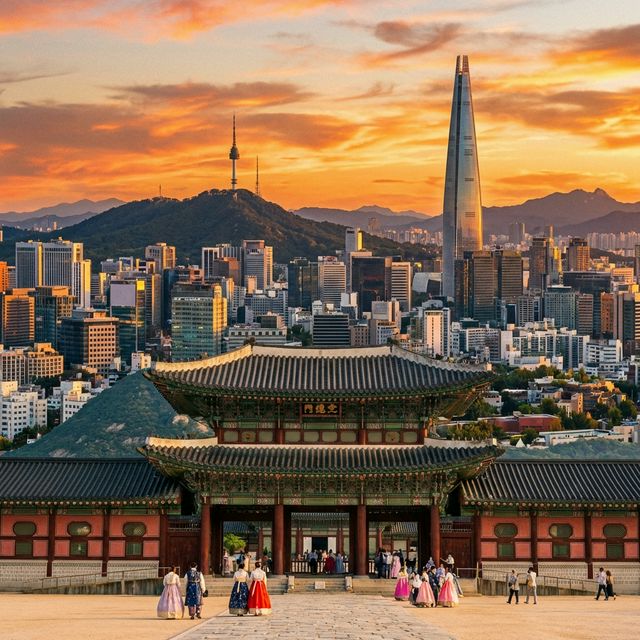
Traveling the world is a pursuit of freedom, yet for those with disabilities or mobility challenges, that freedom often comes with a complex web of logistical hurdles. However, South Korea is rapidly rewriting this narrative. As of 2026, the "Land of the Morning Calm" has transformed into one of Asia’s most progressive hubs for accessible tourism. From the high-tech elevators of Seoul’s sprawling subway network to the dedicated "Danurim" support centers, the country is proving that ancient heritage and modern accessibility can coexist beautifully. Whether you are navigating a wheelchair, traveling with a visual or hearing impairment, or simply require a little extra assistance, this guide will walk you through everything you need to know to experience the best of Korea without barriers.
Quick Navigation
- Part of the Special Interest Travel in Korea series.
Introduction: A New Era of Inclusive Travel
For many years, the steep hills of Seoul and the narrow alleys of traditional villages were seen as significant barriers for travelers with limited mobility. But today, South Korea is a shining example of how rapid modernization can be harnessed for inclusivity. The concept of "Barrier-Free Tourism" (Mungyeong-haeng) has become a national priority, supported by both the Korea Tourism Organization (KTO) and local municipal governments.
In 2026, the landscape of Korean travel is defined by a "Universal Design" philosophy. This means that infrastructure is built to be usable by everyone—regardless of age, size, or ability—without the need for adaptation. While challenges still exist in the most historic or rural corners of the country, the primary tourist circuits in Seoul, Busan, and Jeju are now remarkably accessible. This guide serves as your comprehensive companion for planning a trip that is as seamless as it is inspiring.
1. Arrival: A Seamless Entry at Incheon International Airport (ICN)
Your accessible journey begins the moment you touch down at Incheon International Airport, consistently ranked among the world's best for its passenger services.
Dedicated Assistance Services
Incheon Airport offers a dedicated "Arrival Assistance Service" for disabled travelers. Upon exiting the aircraft, you can be met by staff who will assist with immigration, baggage claim, and customs. It is recommended to request this service through your airline at least 48 hours before departure.
The Airport Railroad (AREX)
The AREX is the fastest way to get to Seoul Station, and it is fully accessible.
- Elevators and Slopes: Every level of the airport terminal is connected to the AREX station via elevators and wide, gentle slopes.
- Level Boarding: The Express Train platforms have specialized boarding areas that are perfectly level with the train doors.
- Priority Cars: Look for Car 4, which is designed with extra space for wheelchairs and has an accessible restroom nearby.
Airport Limousine Buses
While most city buses are now low-floor, many airport limousine buses (the large coach style) are still not equipped with lifts. If you are a wheelchair user who cannot transfer to a regular seat, the AREX or a pre-booked "Danurim" minivan is your best option.
2. The Infrastructure of Inclusion: Laws and Progress
The foundation of Korea’s accessibility journey lies in the Disability Discrimination Act of 2008. This landmark legislation mandated that all public buildings and transportation services must provide reasonable accommodations for people with disabilities. Since then, the progress has been exponential.
By 2026, the "Spring for Everyone, Open Travel" campaign has further expanded these efforts. The focus has shifted from mere compliance to "quality of experience." This includes:
- Universal Design Standard: New buildings must follow strict accessibility guidelines from the blueprint stage.
- Digital Inclusion: Public kiosks (like those for ordering food) are increasingly being equipped with "low-mode" buttons for wheelchair users and voice-command features.
- Social Awareness: There is a growing cultural understanding and respect for travelers with disabilities, often referred to as "Doyak-ja" (those who need a leap of support).
3. Navigating the City: Accessible Transportation
Transportation is the backbone of any trip, and in Korea, it is one of the strongest points of the accessible travel experience.
The Subway: A Gold Standard
Seoul’s subway system is world-renowned for its efficiency, but its accessibility is equally impressive.
- Elevators: Nearly 100% of stations in Seoul (and a high percentage in Busan) are now equipped with elevators that connect the street to the platform. Look for the yellow wheelchair icon on station maps.
- Minimal Gaps: Most modern lines (like Line 9 or the AREX) have minimal gaps between the platform and the train. For lines with larger gaps, many stations have portable ramps available upon request to the station staff.
- Priority Seating: Every car has dedicated spaces for wheelchairs and priority seating for the elderly, pregnant, and disabled. Koreans are generally very respectful of these spaces.
- Tactile Paving and Braille: Extensive tactile paving guides visually impaired travelers from the entrance to the platforms. Every elevator button and staircase railing features Braille signage.
Buses: The Low-Floor Revolution
The Seoul Metropolitan Government has achieved its goal of 100% low-floor buses for city routes as of late 2025. These buses feature:
- No Steps: The bus "kneels" to the curb height.
- Extendable Ramps: Drivers are trained to deploy mechanical ramps for wheelchair users.
- On-Board Securement: Dedicated spaces with straps to secure wheelchairs during the journey. Tip: Use apps like KakaoMap or Naver Map, which now include real-time filters to show only low-floor buses on your route.
Taxis: Handicall and Specialized Vans
For more personalized transport, Korea offers specialized taxi services:
- Seoul Handicall Taxi: A fleet of yellow vans equipped with ramps or lifts. While these are primarily for residents, tourists can often register or use them if they have a recognized disability card or medical certificate.
- Danurim Minivan: (Detailed in the next section)
- Global Taxis: Some private taxi companies offer larger vans (like the Staria or Carnival) that can accommodate manual wheelchairs without folding them, though they may not have a lift.
Intercity Travel: KTX and SRT
Traveling between cities like Seoul and Busan is a breeze on the high-speed KTX (Korea Train eXpress).
- Dedicated Seating: Each train has specific seats for wheelchair users (Car 2 is often the most accessible). These seats provide extra space and are located near accessible restrooms.
- Boarding Assistance: You can request "Helper Service" when booking your ticket. Staff will meet you at the platform with a ramp and help you to your seat.
- Accessible Restrooms: Large, automated doors and grab bars are standard in the accessible cars.
4. The Ultimate Resource: Seoul Danurim Accessible Tourism Center
If there is one name you must remember, it is Seoul Danurim. Operated by the Seoul Tourism Organization, this center is a one-stop-shop for accessible travel needs.
Services Offered:
- The Danurim Minivan: This is a game-changer for tourists. The center operates a fleet of wheelchair-accessible minivans that can be booked for airport transfers or city tours. The best part? For many qualified tourists, the service is free or offered at a very low cost. It is essential to book these at least 14 to 60 days in advance via the Seoul Danurim website.
- Assistive Device Rental: Forget the stress of flying with every piece of equipment. You can rent manual wheelchairs, electric wheelchairs, portable ramps, shower chairs, and even patient lifts directly from the center.
- Information Hub: The center provides detailed "Barrier-Free" maps of popular neighborhoods, listing exactly where elevators are located and which restaurants have step-free entrances.
- Accessible Travel Agencies: They can connect you with specialized tour operators who organize small-group, accessible tours across the country.
Center Location: 2F, Dong Wha Pharm Building, 20 Seosomun-ro 9-gil, Jung-gu, Seoul.
5. Top Accessible Attractions in Seoul
The Grand Palaces (Gyeongbokgung and Changdeokgung)
Don't let the ancient stone courtyards intimidate you. Korea’s palaces have undergone significant "Barrier-Free" renovations.
- Ramps: Wooden ramps have been subtly integrated into the traditional architecture, allowing access to the main throne halls and pavilions.
- Pathways: While some areas still have gravel or uneven stones, the main "Royal Way" paths have been smoothed out for easier rolling.
- Free Wheelchair Rental: Most palaces offer free manual wheelchairs at the information desk on a first-come, first-served basis.
Dongdaemun Design Plaza (DDP)
As a masterpiece of modern architecture by Zaha Hadid, the DDP is a dream for accessibility. Its "sloped-floor" design means you can navigate almost the entire complex via gentle inclines rather than stairs. The elevators are spacious, and the restrooms are state-of-the-art.
N Seoul Tower and Namsan Park
In the past, Namsan was a challenge, but 2026 sees it fully accessible.
- The Namsan Cable Car: Now features step-free access and can accommodate wheelchairs.
- Eco-Buses: The circular buses that go up to the tower are now all low-floor models.
- Observation Deck: Once at the top, the observation deck is fully accessible with elevators.
National Museum of Korea
This is perhaps the most accessible museum in the world. The layout is vast, flat, and features "Tactile Museums" for the visually impaired, where replicas of ancient artifacts can be touched. There are also sign-language guides available via tablets.
Seoul Forest and Han River Parks
For nature lovers, Seoul Forest offers miles of paved, flat trails through woods and deer parks. The Han River parks (like Yeouido) are equally accessible, with ramps leading to the water and plenty of accessible picnic spots.
6. Beyond Seoul: Busan and Jeju
Busan: Coastal Accessibility
Busan’s coastal beauty is increasingly reachable.
- Haeundae Blueline Park: This scenic coastal train and "Sky Capsule" have been designed with accessibility in mind. The stations have elevators, and the Sky Capsules can accommodate manual wheelchairs.
- X the Sky (Lotte World Adventure Busan): Modern attractions in Busan follow the same strict Universal Design codes as Seoul.
- Songdo Cable Car: Offers stunning ocean views and is fully wheelchair accessible.
Jeju Island: Nature for All
Jeju is a leader in natural accessibility.
- Seongsan Ilchulbong (Sunrise Peak): While the summit requires a steep climb, there is a beautifully paved, accessible boardwalk that offers stunning views of the peak and the ocean.
- Jeju Olle Trail: Several sections of this famous trekking trail (like Course 1 or 8) have been designated as "Barrier-Free Olle," featuring flat wooden decks or paved paths through the volcanic landscape.
- Manjanggul Cave: While caves are typically difficult, the first section of Manjanggul has been leveled and features lighting and handrails that make it much more accessible than typical lava tubes.
7. Practical Living: Accommodation and Dining
Choosing Your Hotel
When booking, look for the "Barrier-Free" or "Universal Design" certification. International brands like Marriott, Hilton, and Hyatt in Seoul are reliable for having ADA-compliant rooms.
- Check the bathroom: Specifically ask if the room has a "roll-in shower" or a "bath seat," as some "accessible" rooms in older hotels might still have a small lip on the shower floor.
- The "Business Hotel" Strategy: Newer Korean business hotel chains like Shilla Stay or L7 are often built to modern codes and offer excellent accessibility at a lower price point.
Dining Out: Floor vs. Table Seating
Traditional Korean dining often involves sitting on the floor (Ondol).
- Look for "Table Seating": Most modern restaurants now offer table and chair seating. If you see a restaurant with a raised wooden floor at the entrance, it likely requires removing shoes and sitting on the floor.
- Malls and Department Stores: For guaranteed accessibility, the food courts in Shinsegae, Lotte, or Hyundai Department Stores are fantastic. They are spacious, step-free, and offer high-quality Korean cuisine.
- Franchise Cafes: Places like Starbucks, Twosome Place, or Paul Bassett in Korea are almost always accessible and have large, clean restrooms.
8. Sensory-Friendly and Specialized Travel
Korea is also making strides for travelers with non-mobility-related disabilities.
For the Visually Impaired
- Tactile Paving: ubiquitous in subways and on major city sidewalks.
- Audible Signals: Most major intersections in Seoul have audible signals that chirp or speak to indicate when it is safe to cross.
- Braille Menus: Increasingly common in major tourist areas and upscale restaurants.
For the Hearing Impaired
- Visual Announcements: Subways and buses use high-definition screens to announce every stop.
- Sign Language Support: The 1330 Korea Travel Hotline offers a video call service for sign language interpretation.
For Neurodivergent Travelers
- Quiet Zones: Many major museums and libraries now offer "Calm Rooms" or quiet zones for those who need a break from sensory overstimulation.
- Morning Quiet Hours: Some popular attractions are experimenting with "Quiet Mornings" with reduced lighting and noise.
9. Essential Apps and Practical Tips
Must-Download Apps
- KakaoMap / Naver Map: Essential for navigation. They show elevator locations in subway stations.
- Seoul Danurim App: Provides a directory of accessible tourist sites and the ability to book the Danurim van.
- Papago: The best translation app. You can use the "Image" mode to translate menus or signs that might indicate accessible entrances.
- Emergency Ready App: Provided by the government, it gives real-time safety alerts and locations of nearby hospitals/emergency centers in English.
Helpful Phrases
- "Wheelchair accessible?" - Hoel-che-eo i-yong ga-neung-han-ga-yo? (휠체어 이용 가능한가요?)
- "Is there an elevator?" - El-le-be-i-teo it-na-yo? (엘리베이터 있나요?)
- "I need help." - Do-wa-ju-se-yo. (도와주세요.)
- "Bathroom for the disabled?" - Jang-ae-in hwa-jang-sil it-na-yo? (장애인 화장실 있나요?)
10. A Day in the Life: An Accessible Seoul Itinerary
To give you a better sense of how it all comes together, here is a sample day:
- 09:00 AM: Take the accessible elevator at your Myeongdong hotel to the subway. Catch Line 4 to Gyeongbokgung Station.
- 10:00 AM: Explore Gyeongbokgung Palace. Use the wooden ramps to see the Throne Hall and the Gyeonghoeru Pavilion.
- 12:00 PM: Roll over to the nearby National Museum of Modern and Contemporary Art (MMCA). Enjoy a step-free lunch at their café.
- 02:00 PM: Take a low-floor bus (using KakaoMap to time it) to Insadong. Explore the Ssamziegil mall, which has a continuous ramp leading to the roof.
- 04:00 PM: Use your pre-booked Danurim Minivan to head to the Han River for a sunset stroll.
- 07:00 PM: Head to a major department store for a barrier-free dinner and some souvenir shopping.
11. Conclusion: Korea Awaits You
Traveling with a disability requires more planning, but in 2026, South Korea makes that planning rewarding. The country’s blend of ancient tradition and futuristic technology is now more inclusive than ever. From the serene beauty of a palace at sunset to the neon-lit energy of a Seoul night market, the barriers are coming down, and the welcome is warmer than ever.
Don't let mobility challenges hold you back from the wonders of the peninsula. With the right resources, like the Seoul Danurim Center and a bit of forward planning, your Korean adventure will be one for the history books.
If you are planning an intergenerational trip and want to ensure a comfortable pace for everyone, pair this information with Senior Travel in South Korea: Comfortable Itineraries and Accessibility Tips. For those navigating the country with strollers rather than wheelchairs, our guide to Korea with Toddlers: Practical Tips for Traveling with Young Children offers similar logistical advice. Lastly, to ensure a stress-free experience from arrival to departure, review Solo Female Travel in South Korea: Safety Tips and Best Destinations for overarching advice on safety and navigation.