Senior Travel in South Korea: Comfortable Itineraries and Accessibility Tips

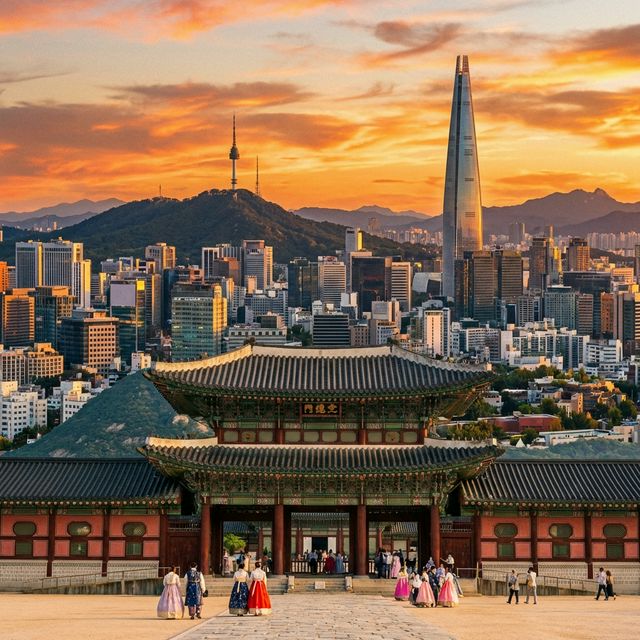
South Korea is often portrayed as a fast-paced, neon-lit playground for the youth, dominated by K-Pop and cutting-edge technology. However, beneath the surface of its bustling cities lies a travel destination that is remarkably well-suited for senior travelers. From the deep-rooted Confucian values that place a premium on respect for elders to a public infrastructure that is among the most accessible in the world, the Land of the Morning Calm offers a serene, comfortable, and profoundly enriching experience for those traveling in their golden years. Whether you are seeking the quiet contemplation of an ancient temple, the restorative powers of a traditional spa, or the simple joy of a perfectly brewed cup of tea overlooking a misty mountain range, South Korea delivers it all with a level of hospitality and efficiency that makes travel feel less like a challenge and more like a well-deserved reward.
Quick Navigation
- Part of the [Family Travel and Special Interest Trips in Korea] series.
- Explore more: The Ultimate 10-Day South Korea Itinerary for First-Timers
- Practical Tips: Health and Safety Tips for Travelers Visiting South Korea
Introduction: The "Silver Wave" in the Land of the Morning Calm
In recent years, a new kind of traveler has begun to grace the streets of Seoul, the coastal paths of Busan, and the ancient lanes of Gyeongju. They aren't looking for the loudest nightclubs or the most strenuous mountain hikes; instead, they are seeking "slow travel"—experiences that prioritize comfort, accessibility, and cultural depth. This "Silver Wave" of senior travelers is finding that South Korea is not just a destination for the young, but a haven for the young at heart.
For many seniors, the prospect of traveling to Asia can feel daunting. There are concerns about long flights, language barriers, unfamiliar food, and, perhaps most importantly, physical accessibility. South Korea, however, has invested heavily in making its wonders accessible to everyone. With a society that naturally defers to and respects its elders, and a government that has prioritized "barrier-free" tourism, the hurdles that might exist elsewhere are often smoothed over here.
In this guide, we will walk you through everything you need to know to plan a comfortable, safe, and memorable trip to South Korea. We’ll cover the logistics of getting around without breaking a sweat, the best places to stay for maximum comfort, and itineraries that let you soak in the culture at your own pace.
Why South Korea? The Senior Appeal
Before diving into the logistics, it’s worth asking: what makes South Korea particularly special for seniors? The answer lies in a unique blend of ancient tradition and ultra-modern convenience.
1. A Culture of Deep Respect (Hyo)
In South Korea, the concept of Hyo (filial piety) is a cornerstone of society. While modern life has changed many things, the fundamental respect for elders remains. As a senior traveler, you will likely find that people are more than willing to help you with your luggage, offer you their seat on a crowded bus (though subways have designated sections just for you), and treat you with a level of deference that is both heartwarming and helpful. This cultural atmosphere significantly reduces the "travel stress" that can sometimes accompany visiting a foreign country.
2. World-Class Safety and Security
South Korea is consistently ranked as one of the safest countries in the world. For senior travelers, this means you can enjoy an evening stroll through a city park or a late dinner at a local market without the constant vigilance required in many other global destinations. The streets are well-lit, and the risk of petty crime, such as pickpocketing, is remarkably low. This peace of mind is a luxury that cannot be overstated.
3. High Standards of Hygiene and Public Facilities
One of the most common concerns for older travelers is the availability and cleanliness of public facilities. In South Korea, public restrooms (even in subway stations) are generally exceptionally clean, well-maintained, and equipped with accessible stalls. Furthermore, the country's high standards for food hygiene mean that "traveler's tummy" is far less of a concern here than in many other parts of Asia.
4. Seamless Infrastructure
The efficiency of South Korean infrastructure is legendary. Whether it’s the high-speed KTX trains that whisk you across the country in total comfort or the ubiquitous elevators in subway stations, the system is designed to work. For those with mobility concerns or simply a preference for avoiding stairs, the "barrier-free" initiatives in major cities are a godsend.
Essential Planning: Setting the Stage for Comfort
A successful trip for seniors begins long before you board the plane. Proper planning is the key to ensuring that your journey remains relaxing rather than taxing.
When to Visit: Avoiding the Extremes
For senior travelers, weather is a critical factor. South Korea has four very distinct seasons, and two of them can be quite harsh.
- Spring (April to June): This is arguably the best time to visit. The weather is mild, the air is fresh, and the cherry blossoms (usually in early April) create a magical backdrop. It’s perfect for walking through palaces and parks without the burden of heavy coats or the exhaustion of heat.
- Autumn (September to November): A close second to spring. The crisp air and stunning fall foliage make for incredible sightseeing. The temperatures are comfortable for all-day exploration.
- The "Avoid" Zones: The summer months (July and August) are incredibly humid and prone to heavy rains (Monsoon season), which can make walking tiring and slippery. The winter (December to February) can be bitterly cold, with icy pavements that pose a slip risk.
Read more: Best Time to Visit South Korea: A Seasonal Weather Guide
Visas and Entry Requirements
As of 2026, many nationalities require a K-ETA (Korea Electronic Travel Authorization) to enter for tourism. It is a simple online process, but it’s best to handle it at least two weeks before your departure to avoid any last-minute stress.
Link: South Korea Visa Requirements: Everything You Need to Know
Health and Insurance
While South Korea has a world-class healthcare system, it is essential to have comprehensive travel insurance. Make sure your policy covers pre-existing conditions and includes medical evacuation, just in case.
- Medication: Bring an ample supply of your regular medications in their original packaging, along with a copy of your prescriptions. While pharmacies (Yak-guk) are everywhere, the specific brands you use may not be available.
- English-Speaking Clinics: Most major hospitals in Seoul, Busan, and Daegu have international clinics with English-speaking staff.
Navigating Korea with Ease: Accessibility Tips
Mobility is often the biggest concern for senior travelers. Fortunately, South Korea is one of the most accessible countries in Asia.
1. The Subway: Elevators are Your Best Friend
The Seoul subway system is a marvel, but it is vast. Older stations can have many stairs. However, almost every station has been retrofitted with elevators. Look for the yellow elevator signs on the street level and on the platforms.
- Priority Seating: Every subway car has designated seats at either end for the elderly, disabled, and pregnant women. Even if the rest of the train is packed, these seats are often left vacant for those who need them. Don't be shy about using them—they are meant for you!
- T-Money Card: Purchase a T-Money card immediately. It allows you to tap-and-go on all subways and buses, removing the need to struggle with ticket machines.
Link: How to Use the T-Money Card: A Guide to Korea Public Transit
2. Taxis: The Ultimate Door-to-Door Comfort
When in doubt, take a taxi. They are relatively affordable compared to Western Europe or North America.
- Kakao Taxi: Download the KakaoT app. It allows you to call a taxi to your exact location, and you can set your destination in the app, eliminating any language barrier with the driver.
- International Taxis: In Seoul, you can book "International Taxis" with English-speaking drivers for a flat rate or by the hour. This is an excellent option for a day of sightseeing without the stress of navigation.
3. KTX (High-Speed Rail)
If you are traveling between cities (e.g., Seoul to Busan), the KTX is the only way to go. It’s fast, incredibly smooth, and offers spacious seats.
- First Class Upgrade: For a small additional fee, the First Class seats offer even more legroom, free water, and snacks. It’s well worth it for the added comfort.
- Luggage Space: There are dedicated luggage racks at the end of each car, but they can fill up. Try to board early if you have large suitcases.
Link: How to Book KTX Train Tickets: A Guide to Korea High-Speed Rail
Curated Comfort Itineraries
To help you plan, we’ve put together a sample 10-day "Comfort & Culture" itinerary that minimizes strenuous activity while maximizing the experience.
Days 1-3: The Royal Splendor of Seoul
Seoul is a city of contrasts, where ancient palaces sit in the shadow of glass skyscrapers.
- Gyeongbokgung Palace: The main palace is largely flat and paved with a mix of stone and packed earth, making it relatively easy to navigate. Be sure to catch the Changing of the Guard ceremony.
- Insadong: This traditional neighborhood is perfect for a slow afternoon. The main street is pedestrian-friendly. Stop at a traditional tea house like Shin Old Tea House for a quiet break.
- Cheonggyecheon Stream: While there are stairs to get down to the water, there are also elevator access points (e.g., near the Dongdaemun area). The path along the stream is flat and peaceful.
Days 4-5: Gyeongju – The Museum Without Walls
Gyeongju was the capital of the ancient Silla Kingdom and is a dream for history buffs.
- Daereungwon Burial Mounds: This park is beautifully landscaped and almost entirely flat. Walking among the ancient royal tombs is a serene experience.
- Donggung Palace and Wolji Pond: Best visited at dusk when the buildings are illuminated. The paths are well-maintained and accessible.
- Electric Cart Tours: In Gyeongju, you can rent small electric carts to zip around the historical sites, saving your legs for the actual sightseeing.
Days 6-8: Busan – Coastal Relaxation
Busan offers a slower pace than Seoul, with stunning ocean views.
- Haeundae Blue Line Park: Instead of hiking the coastal cliffs, take the Sky Capsule or the Beach Train. You’ll get the same breathtaking views of the East Sea without taking a single uphill step.
- Spa Land Centum City: This is not your average bathhouse. It is a high-end "Jjimjilbang" (spa) located within a department store. It features dozens of themed saunas and relaxation rooms. It’s the perfect place to soothe travel-weary muscles.
Days 9-10: Jeju Island – The Natural Escape
Jeju is best explored by car.
- Self-Drive: Renting a car is highly recommended for seniors on Jeju. The roads are excellent, and it allows you to see the sights at your own pace without relying on tour buses.
- Hallim Park: A vast botanical garden that is mostly flat and features paved paths. It includes a folk village, bonsai garden, and even accessible caves.
Dining for Comfort: What and How to Eat
Korean food is famous for its spice, but there are plenty of delicious, mild options that are perfect for seniors.
Senior-Friendly Dishes
- Samgyetang (Ginseng Chicken Soup): A whole young chicken stuffed with glutinous rice, ginseng, and jujubes, simmered in a delicate broth. It is considered highly restorative and is very easy to digest.
- Juk (Porridge): Not just for when you’re sick! Korean savory porridges (like abalone or pumpkin juk) are hearty, delicious, and soft.
- Bulgogi: Thinly sliced marinated beef that is grilled. It’s generally tender and sweet rather than spicy.
- Bibimbap: You can ask for the gochujang (red chili paste) on the side so you can control the spice level yourself.
The Seating Dilemma
Many traditional Korean restaurants feature floor seating (ondol). While authentic, this can be very difficult for those with knee or back issues.
- How to Ask: Most modern restaurants now have Western-style tables and chairs. When entering, you can point to a table and ask, "Uija isseoyo?" (Do you have a chair?).
- Look for "Table Seating": Even in traditional-looking places, there is often a section with tables. Don’t be afraid to wait a few extra minutes for a chair if needed.
Technology for Seniors: Making Life Simpler
You don't need to be a tech wizard to travel in Korea, but a few apps will make your life significantly easier.
- Naver Maps: Google Maps does not work well for walking or driving directions in Korea. Naver Maps is much more accurate. You can set the language to English in the settings.
- Papago: This is the preferred translation app in Korea. It has an excellent "image" feature where you can take a photo of a menu or a sign, and it will translate it instantly.
- WOWPASS: This is a combination of a currency exchange card and a T-Money card. You can load it with your home currency at machines in major stations and use it like a debit card everywhere in Korea.
Cultural Etiquette: Respecting the Traditions
As a senior traveler, you are in a privileged position in Korean culture. However, a little reciprocal respect goes a long way.
- Giving and Receiving: Use two hands when giving or receiving anything—money, a business card, or a drink. It is a sign of respect.
- The Subway Seat: Even if you are a senior, if you see someone significantly older than you, it is a nice gesture to offer your seat if you are able. However, generally, people will insist that you keep yours!
- Quiet Voices: Koreans generally speak quite softly in public spaces, especially on public transport. Keeping your volume down is appreciated.
Conclusion: Your Golden Adventure Awaits
South Korea is a land that rewards the curious and the patient. For senior travelers, it offers a rare opportunity to explore a culture that is both exotic and deeply comforting. By choosing the right season, utilizing the incredible accessible infrastructure, and embracing the local culture of respect, you can have a journey that is as seamless as it is inspiring.
Don't let age be a barrier to experiencing the wonders of the East. Whether it's the taste of a fresh strawberry in a Seoul market, the sight of a thousand-year-old pagoda in Gyeongju, or the sound of the waves crashing against the Jeju coast, South Korea is ready to welcome you with open arms and a comfortable chair.
For those wanting to craft a longer, relaxed route, explore our 14-Day Grand Tour of South Korea: From Ancient Palaces to Modern Cities for pacing ideas. If you have specific mobility needs, our guide to Accessible Korea: Traveling with Disabilities and Mobility Challenges offers deep-dives into barrier-free transit. And to ensure you're eating well without the worry of excessive spice, peruse A Foodie's Guide to South Korea: Must-Try Dishes and Markets.