Camping in South Korea: A Guide to the Best Glamping Sites
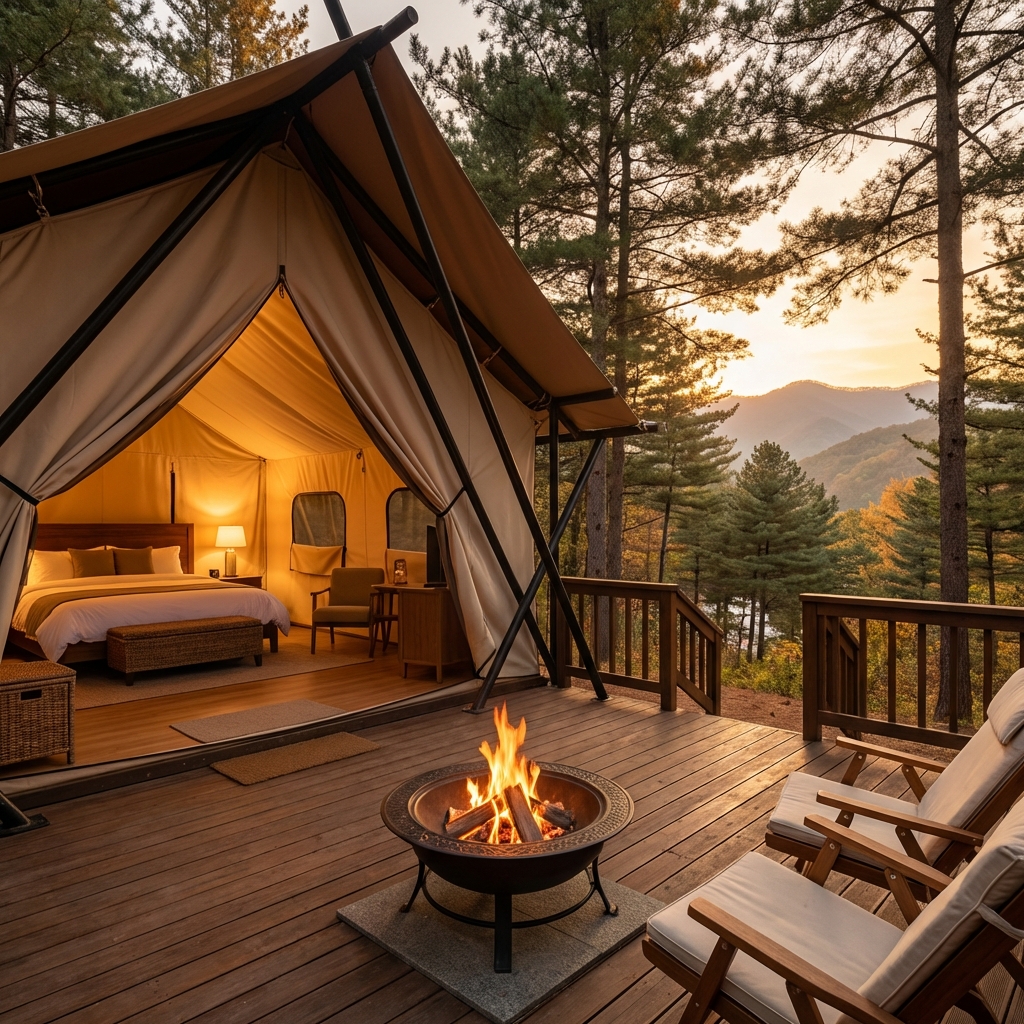
Imagine waking up to the gentle roar of a forest stream, the scent of fresh pine needles wafting through a screen door. You stretch out on a memory-foam mattress, the morning sun casting soft patterns across a designer canvas wall. This isn't a five-star hotel in the city, nor is it the "roughing it" camping trip of your childhood. This is the new era of the South Korean "Glamping" (Glamorous Camping) experience—a world where the rugged beauty of nature meets the uncompromising luxury of a boutique resort.
In South Korea, glamping has evolved into a sophisticated lifestyle trend. It’s the ultimate escape for Seoulites looking to trade skyscrapers for mountain skylines without sacrificing their high-speed Wi-Fi or heated floors. For the international traveler, it offers a rare opportunity to penetrate the stunning Korean wilderness while enjoying the conveniences of a modern urban apartment. From the pine forests of Gapyeong to the volcanic coastlines of Jeju, South Korea’s glamping sites are redefining what it means to go "outdoors."
While traditional camping remains popular among enthusiasts, the "Glamping" movement has taken over as the preferred weekend retreat for families, couples, and digital nomads alike. In this guide, we dive deep into the anatomy of the premium glamping experience, the best regional hotspots, and the logistical secrets to booking these sought-after escapes.
The Anatomy of a Premium Korean Glamping Site
To understand why glamping is so popular in Korea, you first have to look at the level of infrastructure invested in these sites. A "Premium" site in Korea is not just a tent with a bed; it is a fully integrated living space.
1. Beyond the Canvas: Modern Infrastructure
Unlike the canvas shelters of the past, modern Korean glamping tents (often called "Tent Villas") are engineered for year-round comfort.
- En-suite Facilities: Most premium tents now feature private, stone-tiled bathrooms inside the tent structure. No more walking across a dark field to a communal shower block.
- Climate Control: South Korea experiences extreme seasons. Premium sites are equipped with heavy-duty air conditioning for the humid summers and high-end heating systems for the sub-zero winters.
- Ondol Heating: In a uniquely Korean twist, many glamping platforms are built with traditional ondol (underfloor heating) systems, ensuring that even if it's snowing outside, your feet stay warm on the wooden floor.
2. The "BBQ Set" Tradition: Culinary Luxury
In Korea, camping is synonymous with grilling. Premium sites have turned this into a curated service.
- The Delivery Box: Many sites offer a pre-booked BBQ package. Upon arrival, you receive a box containing premium cuts of Korean pork (Samgyeopsal) or beef (Hanwoo), locally grown vegetables, kimchi, and dipping sauces.
- The Setup: You don't need to bring charcoal or a grill. Most sites provide a high-end Weber or traditional Korean charcoal pit on your private wooden deck, ready to be lit at your request.
3. High-Speed Wilderness
Korea is one of the most connected nations on Earth, and that connectivity extends deep into the mountains. Most glamping sites offer high-speed Wi-Fi and even large smart TVs inside the tents, making them a popular choice for "workations" where digital nomads can code or write while surrounded by greenery.
Regional Gems: Where to Pitch Your Luxury Tent
South Korea’s geography is 70% mountainous, providing an endless variety of backdrops for your high-end stay.
1. Gapyeong & Pocheon: The "Backyard" of Seoul
Located just 60 to 90 minutes from the capital, these regions are the spiritual home of the glamping movement.
- Pine4Rest (Gapyeong): True to its name, this site is nestled in a dense forest of ancient pines. It’s famous for its minimalist, modern tent designs that look like something out of an architectural digest.
- Florence Glamping (Gapyeong): A riverside escape that offers a perfect blend of water views and forest therapy.
- Sanjeong Lake (Pocheon): Famous for its massive lake and surrounding rock formations, this area offers glamping sites that specialize in "Bul-meong" (the Korean trend of staring into a fire to clear the mind).
2. Hongcheon & Gangwon-do: The Deep Forest Retreats
If you want to feel truly disconnected, head east into the rugged mountains of Gangwon-do.
- Banu (Hongcheon): An award-winning glamping site that features "Tent Villas" designed by professional architects. It feels less like a campsite and more like a private Scandinavian retreat.
- Arena (Hongcheon): Offers tents with wide, transparent fronts that provide panoramic views of the Hongcheon River, perfect for watching the sunrise from bed.
3. Jeju Island: The Volcanic Coastline
For a completely different vibe, Jeju Island offers glamping sites that feel more like a tropical getaway.
- Around Follie: Located in the eastern part of the island, this site is a designer's dream. It offers a mix of Airstream caravans, lodges, and glamping tents, all centered around a communal pool and a fire-pit zone.
- Jeju Starlight Glamping: Newly renovated in 2025, this site focuses on "Star-gazing therapy," taking advantage of the island's low light pollution.
The Booking Gap: How to Secure a Spot as a Traveler
The biggest challenge for international travelers is often the booking process. Many of Korea's best glamping sites operate on local platforms that require a Korean phone number or bank account.
1. The Platform Showdown
- Agoda & Booking.com: These are your most reliable tools. While they don't list every site, most of the "Premium" ones that cater to international guests are now listed here.
- Yanolja & Yeogi Eottae: These are the local giants. They have the most inventory, but the apps are primarily in Korean. (Pro Tip: Use the desktop version with Chrome's auto-translate feature to browse, then try to find the site on an international OTA).
2. Concierge Services
If you find a "hidden gem" that only accepts local bookings, services like GoWonderfully act as a personal assistant. They can call the site, make the reservation in your name, and handle the local bank transfer payment for a small fee.
3. Pricing Expectations
- Standard Caravan: ₩100,000 – ₩150,000 per night.
- Luxury Tent Villa: ₩180,000 – ₩300,000 per night.
- VVIP/PoolVilla Glamping: ₩350,000 – ₩550,000+ per night.
Seasonality Secrets: When to Go
Every season in Korea offers a distinct glamping flavor.
- Spring (April-May): The cherry blossom season. Glamping sites in Gapyeong become pink-hued wonderlands.
- Summer (July-August): Very popular for "Water Glamping" near rivers and streams. Beware of the monsoon season (Jangma), which can bring heavy rains.
- Fall (October-November): Peak season. The mountains turn vibrant orange and red. This is the most sought-after time, so book at least 2 months in advance.
- Winter (December-February): The secret season. Because of Korea’s advanced heating technology, winter glamping is incredibly cozy. There’s nothing like watching the snow fall while sitting next to a warm fire pit.
What to Pack (And What to Leave at Home)
The "Glam" in glamping means the logistics are handled for you.
- Leave at Home: Tents, sleeping bags, lanterns, cookware, and towels. Most premium sites provide hotel-quality linens and full kitchen kits.
- Must-Brings:
- Bug Spray: Vital for the summer months.
- Favorite Snacks: Most sites have a small "Mae-jeom" (convenience store), but the selection can be limited.
- Pro Tip: The Mae-jeom Inventory: Expect to find ramyeon, charcoal, butane gas canisters, and ice, but rarely fresh meat or complex ingredients. If you have specific dietary needs or want premium fruit, buy them at a Homeplus or E-mart in the nearest city before taking your taxi into the mountains. For more localized safety and logistics, see our health and safety tips for travelers.
- Layered Clothing: Even in summer, the mountains get cool at night.
Etiquette & Atmosphere
Korean glamping culture is social but respectful.
- Mana-Time: Most sites have a "Manner Time" (usually after 10 PM or 11 PM) where loud talking and music must stop.
- Recycling: Korea has a strict trash separation system. Your site will usually provide separate bags for food waste, recyclables (plastic/cans), and general waste. Be sure to follow the guide provided by the staff.
Traditional Camping vs. Glamping: Which Is Right for You?
Korea supports a robust traditional camping culture alongside the glamping boom. Understanding the difference helps you plan the right experience.
| Traditional Camping | Glamping | |
|---|---|---|
| Cost | ₩10,000–₩30,000/night (site fee) | ₩150,000–₩500,000/night |
| Setup | Bring your own tent, sleeping gear, cookware | Everything provided |
| Privacy | Varies (some sites are very crowded) | High — private deck and facilities |
| Bathroom | Communal (varies by site) | Private en-suite at premium sites |
| Booking | Through Korea National Park or Campsite booking apps | Through Yanolja, Agoda, or operator site |
| Best for | Budget travelers, gear enthusiasts, hikers doing multi-day trails | Couples, families, those prioritizing comfort |
Korea’s national park camping spots (like those at Seoraksan and Jirisan) are excellent value and surrounded by genuine wilderness — but they sell out months in advance. Traditional campsites near Seoul in Yangpyeong and Gapyeong are more accessible but very crowded in peak season.
Best Glamping Sites by Budget Tier
Budget Glamping (₩100,000–₩160,000/night)
These sites offer the essential glamping experience — a prepared tent with a bed and basic climate control — without the full luxury infrastructure.
Sanjeong Lake Camping (Pocheon) One of the most affordable options near Seoul, set against dramatic volcanic rock formations around the lake. Tent villas with basic furnishings, shared BBQ facilities. A good introduction to Korean glamping at a lower price point.
Yangpyeong River Glamping (Yangpyeong) Riverside glamping on the banks of the Bukhan River, about 1 hour from Seoul. Basic tent villas with heating, on-site BBQ packages available for purchase. Popular for young Seoul couples on a first glamping trip.
Mid-Range (₩160,000–₩280,000/night)
The sweet spot: private en-suite bathrooms, private decks, quality BBQ packages, and high-speed Wi-Fi.
Banu (Hongcheon, Gangwon-do) Award-winning design glamping. Architect-designed tent villas with panoramic forest views. Private bathrooms, in-tent climate control, and a BBQ package that includes premium Korean beef (Hanwoo). Consistently rated among the top glamping experiences in Korea.
Florence Glamping (Gapyeong) Riverside design glamping with a more romantic atmosphere. Glass-front tents face the water directly. Popular for anniversary trips and couple escapes.
Premium (₩280,000–₩550,000+/night)
Private pool villas, concierge BBQ service, outdoor hot tubs, and resort-level amenities in a nature setting.
Around Follie (Jeju) Jeju’s most design-forward glamping resort. Mix of Airstream caravans, glamping tents, and lodges around a heated pool. Concierge-assisted arrival, curated welcome box, and the full resort experience.
How to Book as an International Visitor: Step-by-Step
Step 1 — Find the site Browse Agoda, Booking.com, or search Google for the specific site name + "booking." Most premium sites now have English-language booking pages or international OTA listings.
Step 2 — Check the check-in/check-out times Standard Korean glamping check-in is 3–4 PM; check-out is 11 AM–12 PM. Unlike hotels, glamping sites rarely accommodate early check-in without a surcharge.
Step 3 — Add the BBQ package at booking Korean glamping BBQ packages are typically pre-ordered at the time of reservation and cannot be added on arrival (ingredients are purchased per booking). If you want the full experience, add the package when you book.
Step 4 — Confirm vehicle access Most glamping sites are not accessible by public transit. Confirm the address and check Google Maps satellite view to understand the access road. Many are down narrow forest roads. Rental car or taxi from the nearest train station is typical.
Step 5 — Bring a power bank Many tent villas have limited USB/outlet availability despite high-tech interiors. Bring a power bank for overnight phone charging, especially if you’re using maps or streaming.
Frequently Asked Questions
Can I arrive without a car? Glamping sites in Gapyeong and Hongcheon are reachable from Seoul by train (Gapyeong Station on the Gyeongchun Line) followed by a taxi to the specific site. Budget 40–60 minutes from Gapyeong Station to the glamping site by taxi (approximately 15,000–25,000 KRW). Not all sites are taxi-accessible; confirm before booking.
Is Wi-Fi actually available in the mountains? Yes — Korea’s 5G network coverage extends surprisingly deep into mountain valleys, and most premium glamping sites additionally provide dedicated high-speed in-tent Wi-Fi. Speeds of 100 Mbps+ are not uncommon even in remote Gangwon-do sites.
What happens if it rains? Korean glamping sites are designed for all-weather use. The BBQ deck is usually covered, and most tent villas have large awnings. Heavy rain (particularly during summer monsoon, July–August) may affect the BBQ experience but indoor comfort remains high. Sites will contact you before arrival if conditions warrant cancellation or modification.
Are pets allowed? Most Korean glamping sites are pet-friendly — it’s one of the key selling points for Seoul dog owners. However, there are typically separate "pet-friendly zones" within the site; check at booking whether the specific tent villa type is in the pet-friendly section.
What is the average group size for a glamping booking? Korean glamping sites are designed for 2–4 people per tent villa. Tent capacity is specified at booking — most standard tents accommodate 2 adults comfortably, with some "family" configurations fitting 4. Groups of 6+ typically need to book multiple adjacent units. Many sites offer "group glamping" packages for families or friend groups that include interconnected tent villas and a shared communal BBQ deck — these must be booked directly with the site (not always available through OTAs).
How far in advance should I book? For weekend stays during spring (cherry blossom) and autumn (foliage) seasons: book 4–8 weeks in advance. The most-reviewed, best-designed sites in Gapyeong and Hongcheon are in high demand and often sell out. For weekday stays or off-season trips, 1–2 weeks advance booking is usually sufficient. Winter glamping can sometimes be booked just a few days ahead — the experience is excellent but demand is lower.
Conclusion
South Korea’s glamping scene is the perfect bridge for those who love the idea of nature but cherish the comforts of modern life. It’s an invitation to experience the quiet beauty of the Korean peninsula without the stress of logistics or the discomfort of traditional camping. The finest sites — particularly the architect-designed tent villas of Gangwon-do — rank among the most thoughtfully conceived accommodation experiences in Asia, combining Korean aesthetic sensibility with world-class outdoor engineering. Whether you spend one night in Gapyeong before returning to Seoul, or build a deeper countryside itinerary around a Jeju or Jirisan glamping stay, these experiences add a dimension to Korean travel that no city hotel can replicate. If you plan on pairing your luxury outdoor stay with some rigorous daytime activity, you can experience fantastic climbs near the capital by Hiking Bukhansan National Park before retiring to your heated tent. For ultimate peace of mind when venturing outside the main cities, review our guide to Staying Safe in Seoul: Emergency Numbers, Pharmacies, and Scams so you are prepared for any minor hiccups. Sprinkling a night or two of glamping into a broader 10-Day South Korea itinerary adds a completely different dimension to what is typically an urban-heavy vacation.